


Tuscany beyond Chianti: Discovering other wines while winery hopping off the beaten Tuscan path
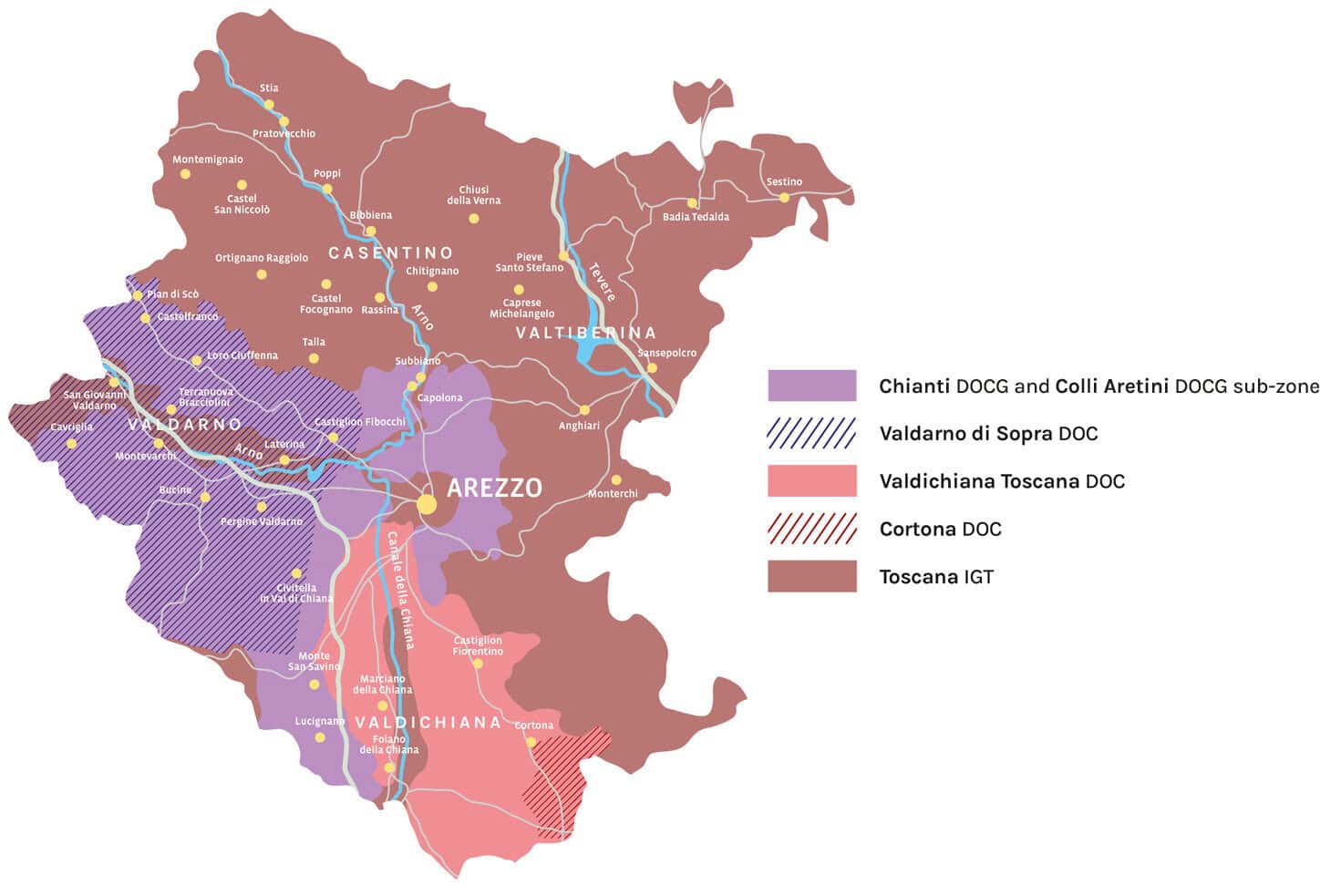
AREZZO, Italy – The narrow two-lane road wound through the green hills of Tuscany, farm plots passing by like cards shuffled in a deck. Our rented Fiat Panda passed nary another car. On a cool, overcast day last week, we were virtually alone in a part of Tuscan wine country few people know.
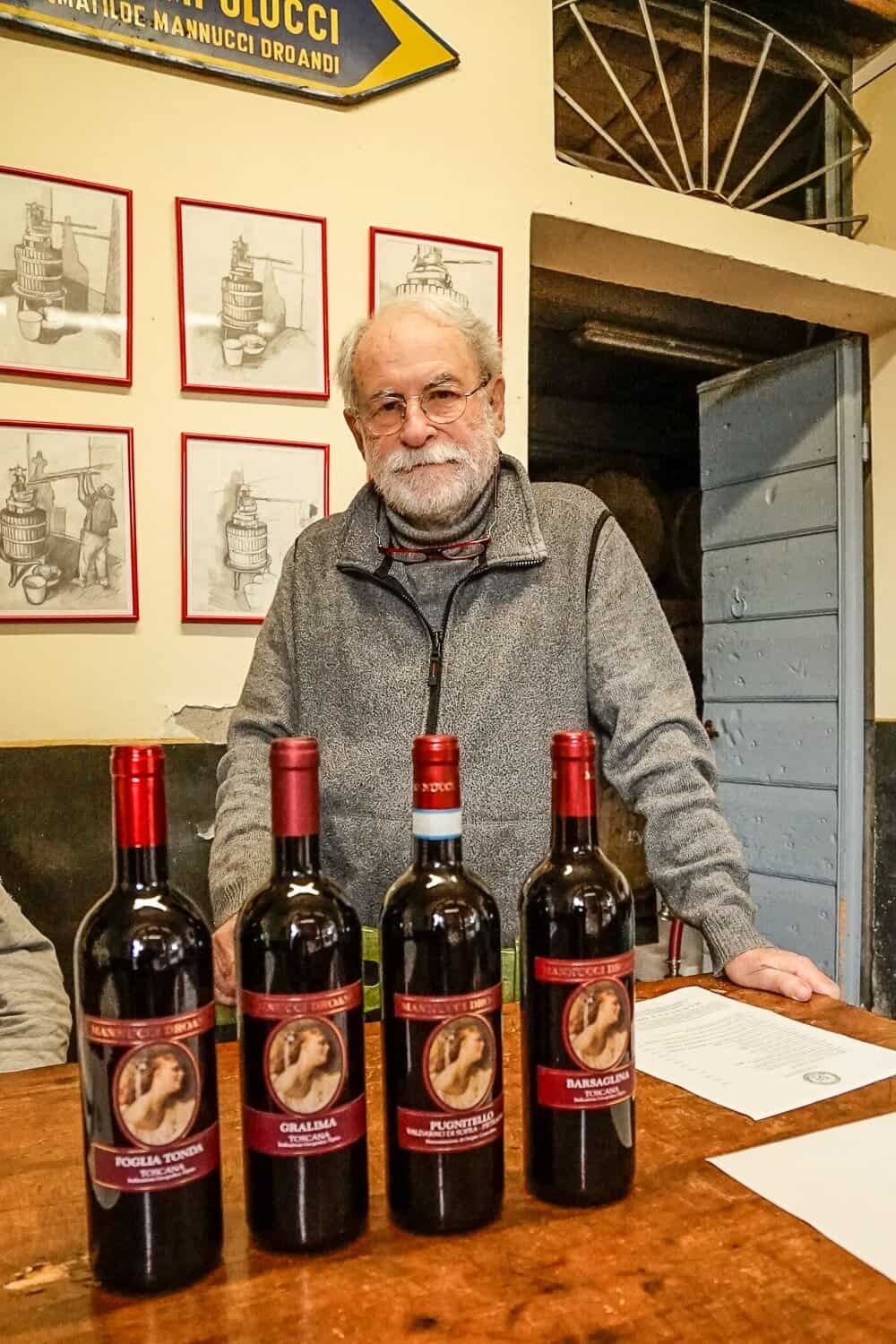
We drove off onto a long dirt road that led us to a large house covered in so many vines I couldn’t tell what material the winery was made of. Roberto Droandi, in a neat gray beard, greeted us with a broad smile and fluent English, unusual for a 74-year-old Italian.
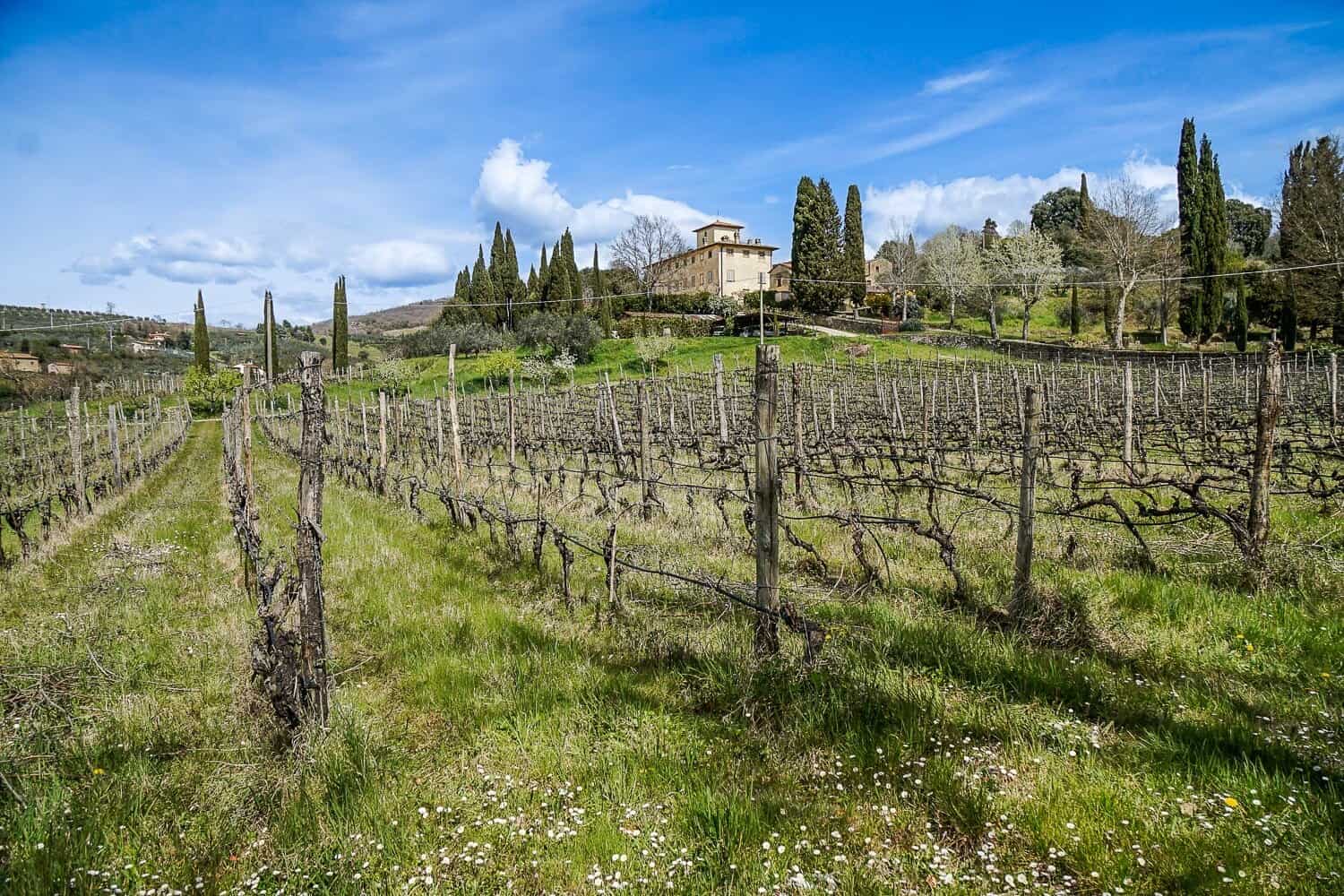
Fifty chickens pecked away behind a fence to keep out the hawks, foxes, wolves, badgers and wild boars that prowl this area. An electric fence surrounded 15 hectares of vineyards. In March, seven months before harvest, the vines were blackened stumps, as if a giant blowtorch cleared the vines for this coming season.
It wasn’t the Tuscan photo op you see on postcards and in movies. That was the point. We wanted to try Tuscan wine that few know, that people should try, that I knew I would like.
We were in search of Tuscany beyond Chianti.
Droandi has wines I’d never heard of until I arrived in Arezzo, 75 kilometers (40 miles) southeast of Florence, for my 70th birthday celebration. Foglia Tonda. Pugnitello. Barsiglina. They were as foreign to me as names in the Kazakhstan Parliament.
Chianti? I knew that name clear back in the ‘60s and ‘70s growing up in faraway Eugene, Oregon. I’d see these oversized, bottom-heavy Chianti bottles inside a wicker basket at the local supermarket.
The beauty of being a wine lover in Italy is it’s easier to find a bad Renaissance painting than it is a bad wine. The consistency is remarkable. We knew we’d find fantastic wines in little places like Roberto’s Mannucci Droandi winery.
He sells 50,000-80,000 bottles a year. Thirty-five to 40,000 are Chianti and Chianti Classico. But he set up the above three bottles in front of me in his rustic tasting room.
“I would like to concentrate my work on this,” he said. “Chianti is the wine of the industry. But day by day it’s less interesting to work in.”
We spent two days visiting three wineries and we heard similar laments. Yes, Chianti is their lifeblood. So is Sangiovese, the grape that makes Chianti. But Tuscany has so many great wines that people must try.
So I dared ask, in Tuscany:
“Is Chianti overrated?”
“Yes,” said Claudia Luzzi, owner of Villa La Ripa winery. “It’s low-priced, cheap wine, no quality. For this reason, we produce just a small quantity of Chianti.”
The numbers
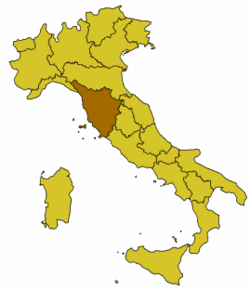
Tuscany has 65,00 hectares (160,000 acres) of vineyards. It has 12,500 wine producers that generate €926 million of revenue per year. According to Wine News, Chianti and Chianti Classico make up 62 percent of Tuscany’s wine production.
How boring.
I’m not a big Chianti fan. After being retired in Italy for 12 years, I’m a bit spoiled by the kaleidoscope of wines available at my fingertips. When I visit Tuscany, I’ll order the occasional Chianti Riserva or Chianti Classico over the regular Chianti. They’re in every restaurant; they’re in every enoteca. And with them glutting the market, the prices are usually reasonable.
But there’s no adventure, no surprise, no sfarzo, Italian for “flamboyance.”
Still, it’s the most famous wine in Italy and is the lifeblood of nearly every winery in Tuscany. Thus, it’s a tough market to crack for winemakers who, like me, love the depth of Italian wine.
“I don’t drink my wine in restaurants,” said Fabio de Ambrogi, owner of Gratena winery. “I want to drink different wines.”
Yet Tuscan restaurants are often reluctant to put unknown brands on their wine lists. The problem is universal. For 23 years I lived in Colorado which produces some very good ice wines and white wines. Yet I could never find them in local restaurants.
“The problem I find with this wine is people don’t want to spend time to explain,” Droandi said. “Importers and also Italian restaurants. Now Italian restaurants are becoming to invest in these varieties. But only now. Now they’re becoming more fashionable. Organic wines and the special type of wines, rare wines and unknowns.
“But it’s a very slow process.”
Said De Ambrogi: “If they know me and know the winery then they buy. The problem is, is this restaurant or this wine shop ready to keep other new wineries? Do they have new space for new wineries? It’s not easy. At the moment, the problem we have in Italy and they have had in France for more than two years, is there is too much wine on the market. There are too many hectares of vineyards.”
Too bad. The wine-loving public must explore more in Tuscany as we did. Here’s our two-day tour of three small Tuscan wineries that I’ll never forget. All have public wine tastings at various prices:
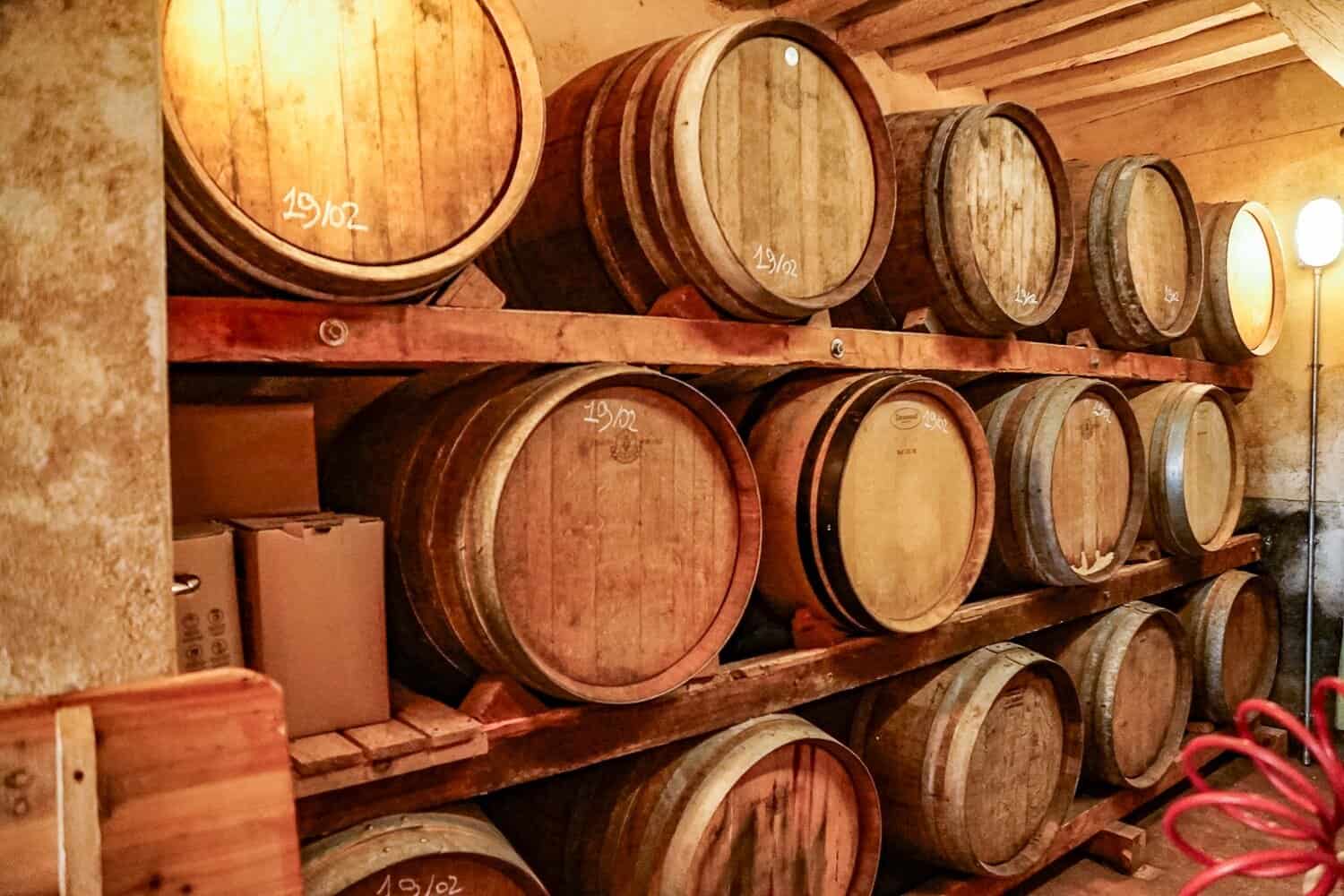
Mannucci Droandi
Via Russinello e Campolucci 61/62, Montevarchi, 39-05-597-07276, www.mannuccidroandi.it, info@mannuccidroandi.com.
Droandi’s grandfather bought this winery in 1929 just outside the town of Montevarchi, 20 miles (38 kilometers) west of the charming city of Arezzo. Roberto grew up in Arezzo and studied history at the University of Florence.
It’s there where he learned there was more to wine than Chianti.
“Studying history I was very curious to find again the old local varieties,” he said. “These varieties were abandoned during the Green Revolution in the 1950s and ‘60s. This is a very fast process. In 10 years we abandoned everything of the past. We forgot everything. There was a big shift in 10 years in the industry of agriculture.”
The Green Revolution modernized Italian agriculture in terms of technology, crop varieties and policy reforms. People migrated from the countryside to the cities.
Droandi’s grandfather stuck with tradition. He never even bought a tractor. These little-known wines that Droandi served me were popular before this shift.
His tasting room is so rustic I kept thinking that any minute his grandfather would walk in, his overalls covered in grapes he’d been crushing with his feet. In one corner is a 100-year-old caldera that produces hot water. Inserted in the wall is a two-meter-wide bread oven.
I was about to drink a little of that past. All his grapes are indigenous to Tuscany. The most expensive bottle he sells is only €25.
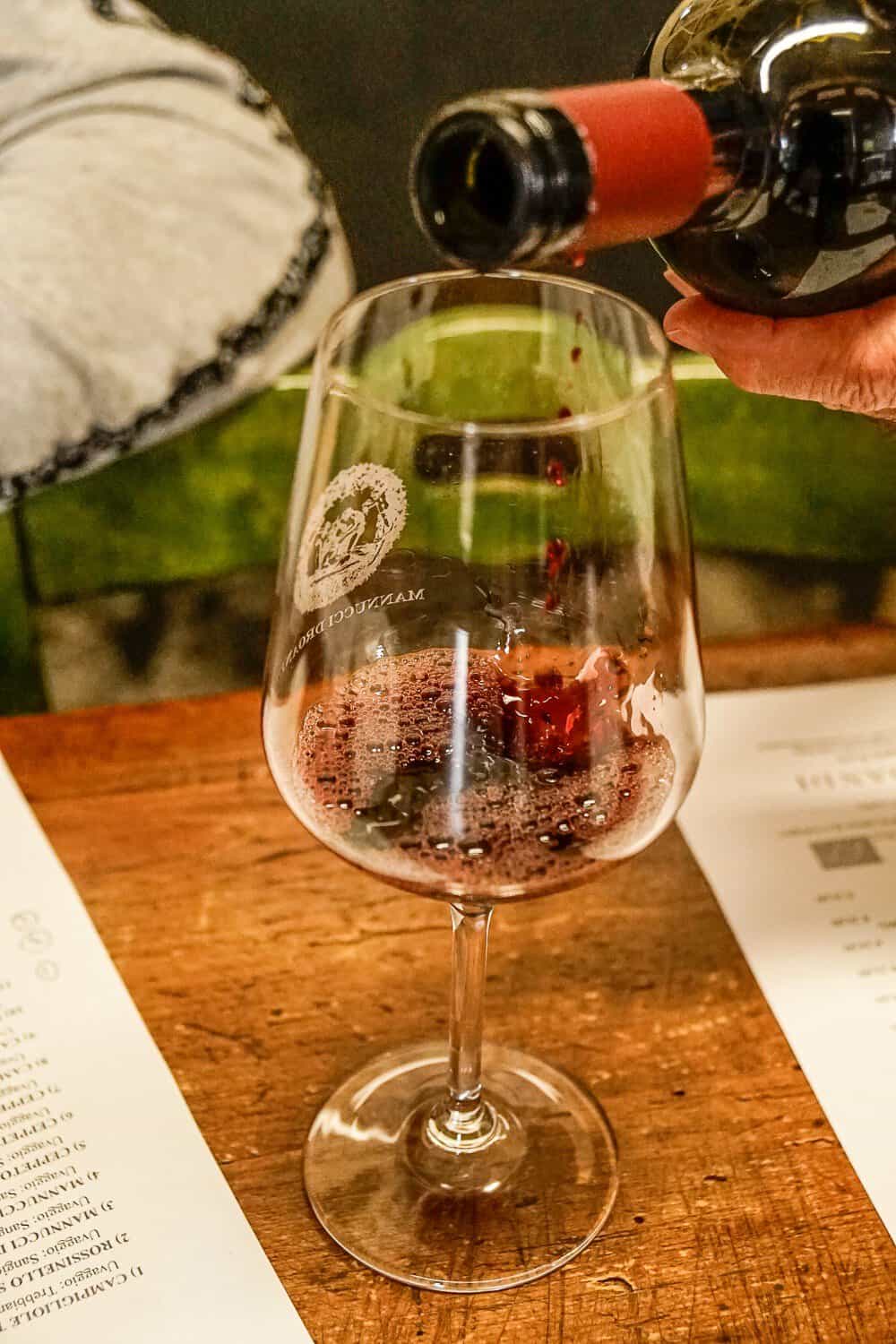
The first I tried was the Pugnitello from 2020.
“This was an abandoned vine after the industrialization of agriculture,” he said. “It was considered marginal. It was discovered again in the ‘90s and suggested again. I think it’s very interesting. This is incredible.”
The vines were discovered in a field near Grosetto, about 120 kilometers (70 miles) southwest of Montevarchi. Farmers didn’t know what it was. A professor at the University of Florence called it Pugnitello, Italian for “small fist” as the branch is very small and round.
The Pugnitello has the same DNA as Montepulciano d’Abruzzo, a common table wine I drink in Rome. But it’s much richer with a stronger taste of blackberries, blueberries, and plum. (Disclaimer: My palate can barely tell honey from vinegar. The above is what I found online.)
Barsiglina, his second offering, was first planted in 1996 and Droandi produced the first bottle in 2002. It was terrific, full of blackberries and black cherries, my favorite fruit.
“It’s a more simple wine,” he said. “Less complex but very contemporary taste.”
The third, a 2020 Gralima, is “lighter, less bodied but very full of ingredients to improve the resilience of the wine.”
But my favorite was the Foglia Tonda, meaning “round leaf.” Droandi is leading its recent revival. It’s rich, full bodied with “violet aromas” and a color that is so deep it’s nearly purple. And, according to the Italian wine website, Dalla Nostre Mani, has flavors of “violet, geranium, cherries, lingonberries and coffee.”
It’s what I bought for my collection home.
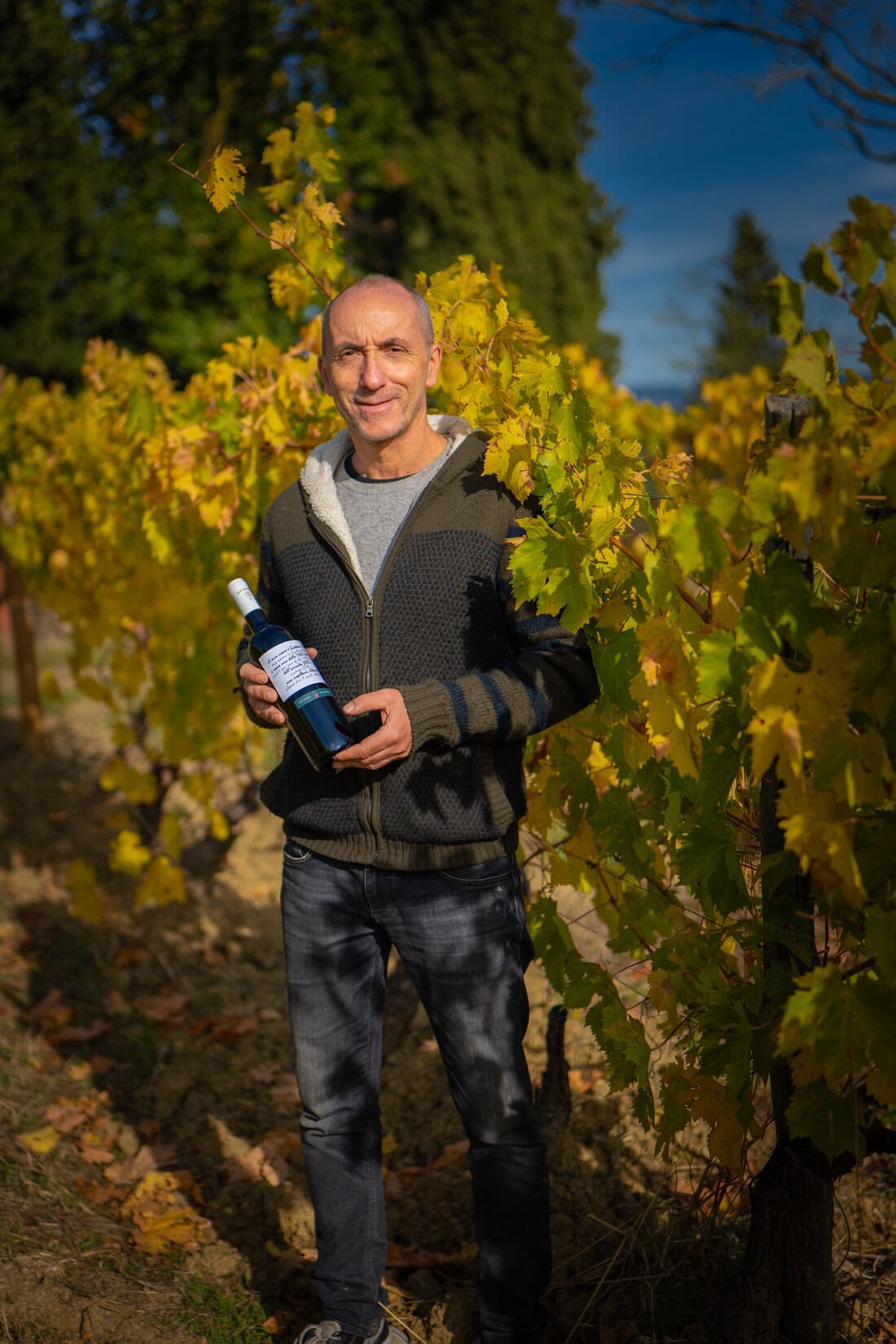
Gratena
Gratena, Arezzo, 39-339-129-8063, www.gratena.com, info@gratena.bio.
De Ambogi, unlike most winemakers, didn’t grow up in wine. He came from the fashion industry like his father. Born in Pisa and raised in Rome, he came to this winery located 13 miles (23 kilometers) north of Arezzo in 2000 to become managing director.
His grandfather bought the winery in 1968 and his mother and uncle took over in 1975 when the grandfather died. The square building is completely enveloped in ivy, like a leafy box. It’s surrounded by forest with a great view of the emerald green Tuscan countryside. Huge steel wine storage barrels outside point to the winery’s move to pure organic in 1994.
“If you leave the vineyard alone, if you don’t do anything in the cellar, you have all the perfumes,” he said.
Gratena has 1,500 olive plants and 18 hectares (44 acres) of vineyards, all Sangiovese and a unique grape called the Gratena Nero. It came from Bergamo, near Milan.
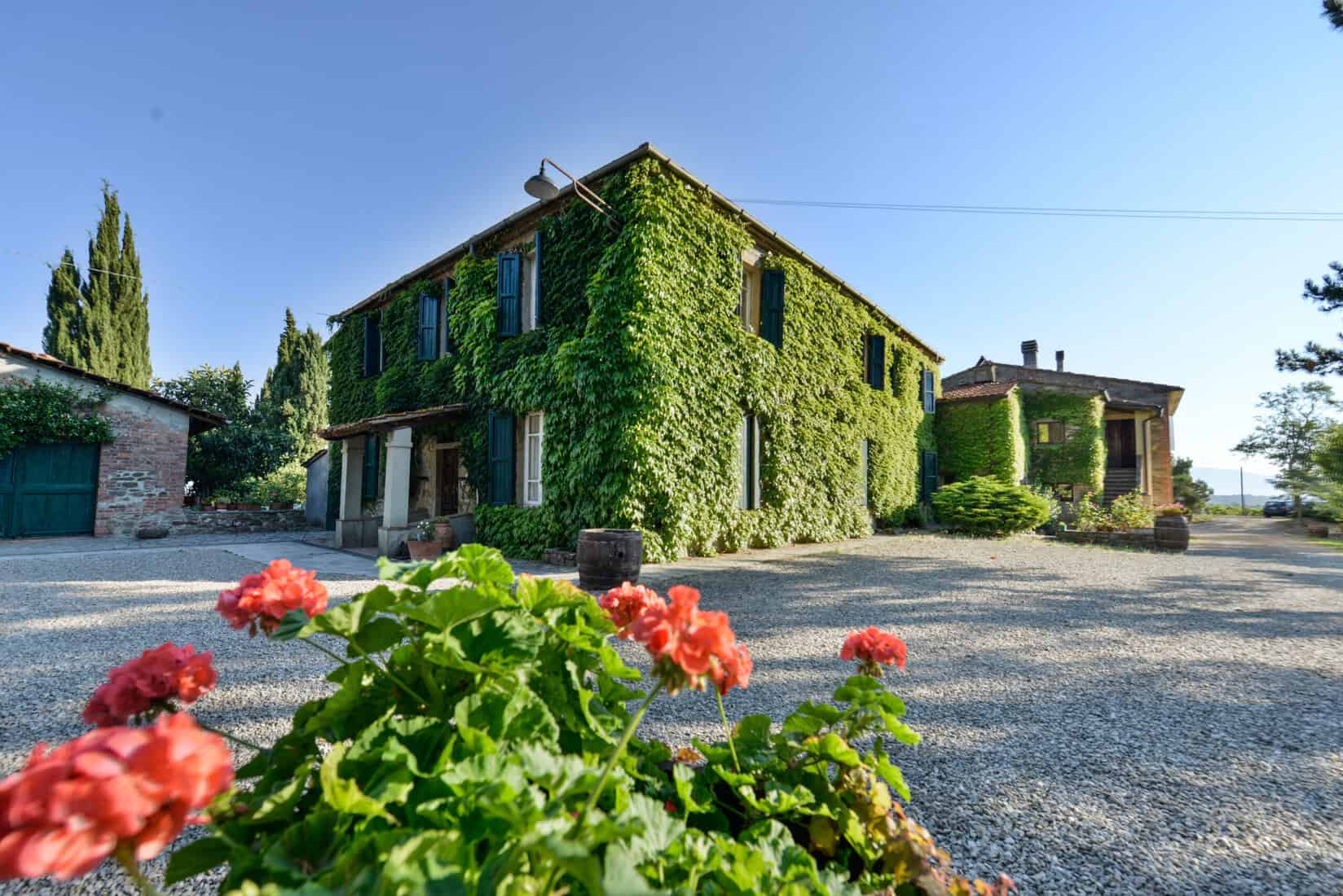
The winery’s original owner came from Bergamo and brought the grape, known in Piedmont as Incrocio Terzi 1, with him when he opened the winery at its present site in 1954.
Gratena Nero is a cross between a Barbera and Merlot and has flavors of dark cherry, blackcurrant and plums.
My favorite Gratena wine was a blend called Siro50, 50 percent Sangiovese and 50 percent Gratena Nero. It’s richer than the regular Gratena Nero and, as De Ambrogi said, “has a good balance between Sangiovese and Gratena, the perfect balance with good perfumes.”
However, like others trying to produce unique wines, Chianti remains his meal ticket. Depending on the year, he bottles between 6,000-15,000 Gratena Nero, 6,000-10,000 Siro50 and 30,000-50,000 Chianti.
But De Ambrogi knows where his taste lies.
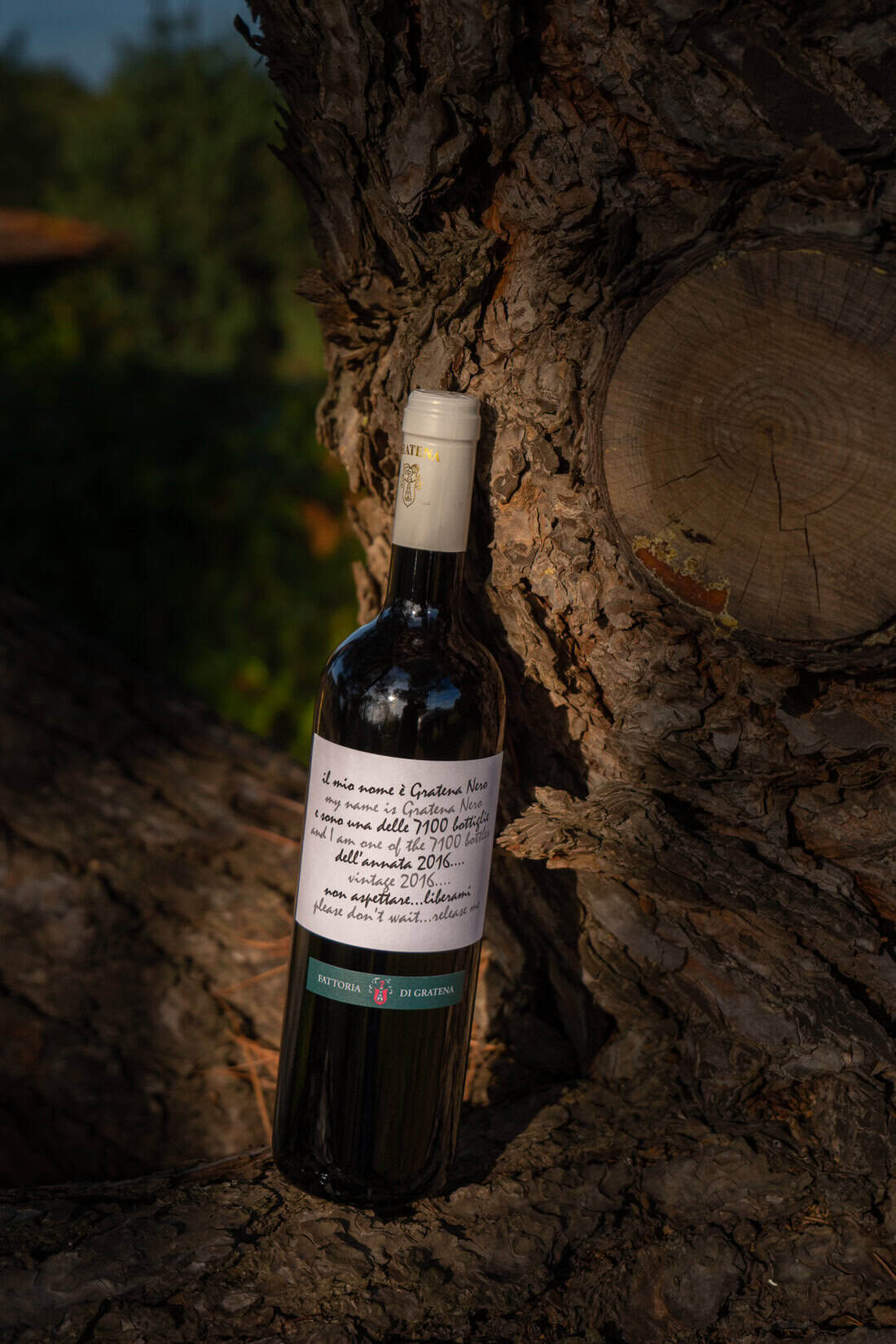
“A Gratena you’ll never taste anywhere else,” he said. “When you eat a good steak with this wine? No Chianti or Chianti Classic can compare. No way.”
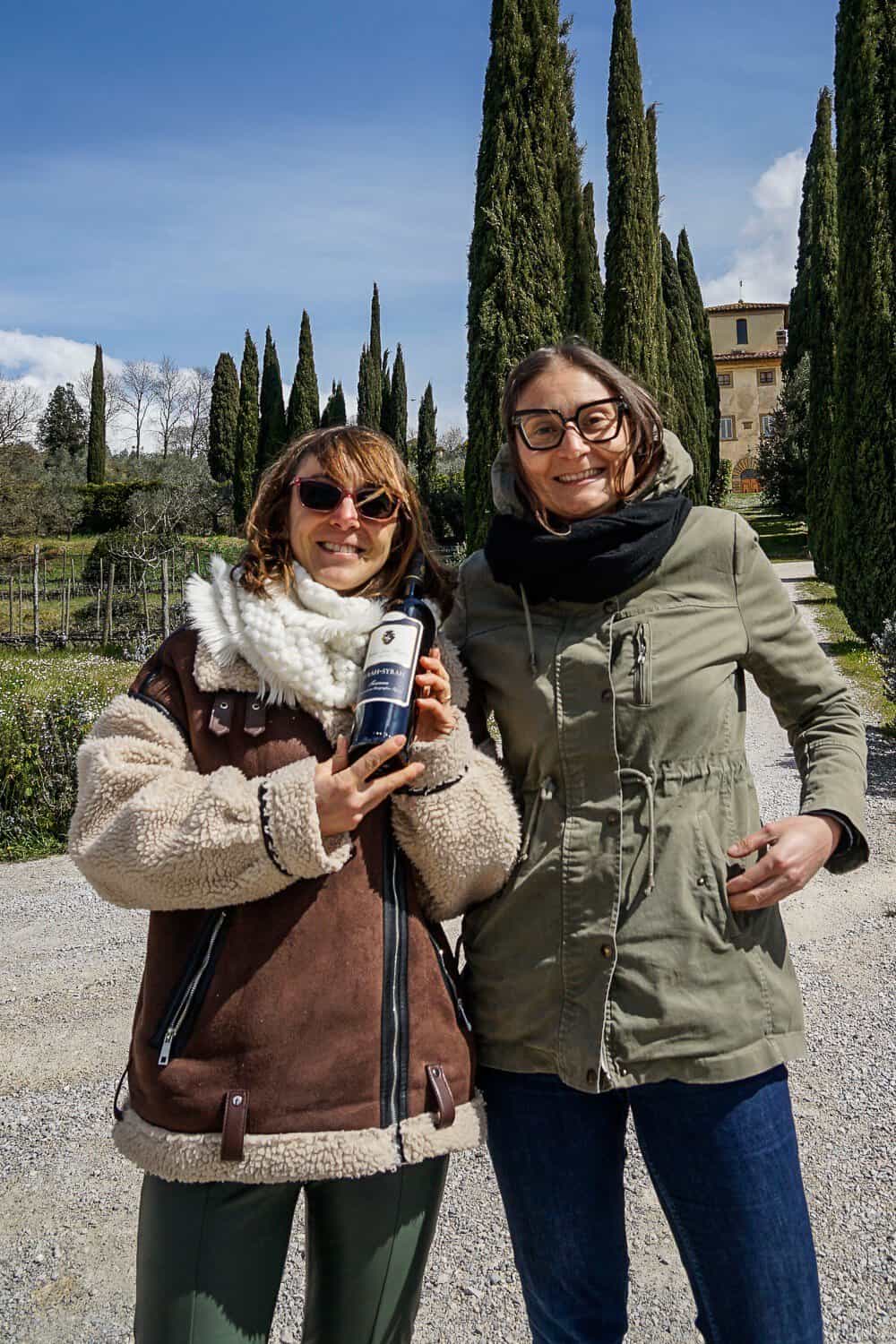
Villa La Ripa
Località Antria, 38, Arezzo, 39-335-100-3351, https://www.villalaripa.it/it, info@villaripa.it.
On the outskirts of Arezzo sits a niche winery at the end of a drive lined with statuesque cypress trees, standing like sentries entering a castle. On the hill is a 16th century villa that is the birthplace of one of Tuscany’s most charming niche wineries.
Villa La Ripa produces 30,000 bottles a year, mostly Sangiovese, but its history and a unique wine dedicated to a child who can’t drink it until he’s 18 put it well off Tuscany’s beaten path.
Raffaela Gualtieri, the ambassador for the Holy See in Portugal, built the villa in 1558 as a present for his future wife. An Arezzo psychologist and neurologist named Saverio Luzzi bought it in 1992 for a place to relax after work. He spent 10 years restoring it.
Under the property, atop an ancient villa, they found an old Roman cellar and the remains of a thermal bath. Also on the property were two hectares (five acres) of vineyards. The man who took care of the vineyards retired and Luzzi met a winemaker in his practice. He visited the villa and said he’d work the vines for a year. If they didn’t produce good wine, Luzzi could cut the vines and plant fruit trees.
Turns out, the old vines made pretty good wine. So happy, so curious, Luzzi studied onology and became a sommelier. Today he spends half the day in his medical practice and half at the villa.
His daughter, Claudia, got married in the chapel built in the villa in 2015. When her son, Cosimo, was born five years ago, they produced a wine specifically for him called Per Cosimo (For Cosimo).
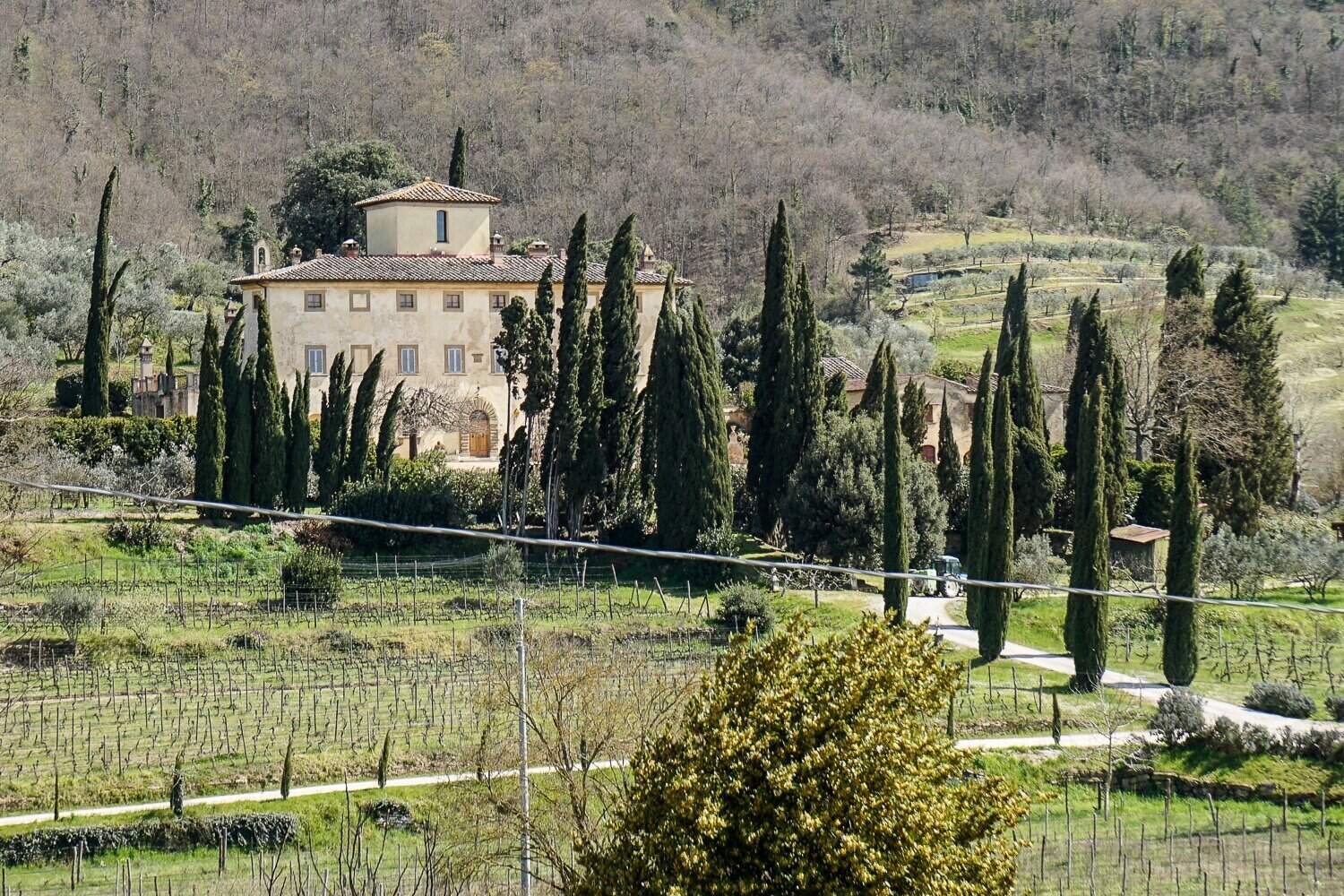
It was one of two wines she presented to me as I sat in the winery’s tasting room with the big picture windows looking out at the bare vines and towering cypress trees.
Per Cosimo is 100 percent Sangiovese but it’s produced Brunello style. Like the famous Brunello, an elegant wine produced near Siena, it spends three years in oak then two years in the bottle instead of Sangiovese’s usual six months in oak.
What this unique method produces is a super full-bodied wine bursting of plum, cherry and spices. When little 5-year-old Cosimo turns 18, he’ll have quite a present. They produced only 1,000 bottles the year he was born. They are keeping at least 600 for him when he comes of age.
“People remember this place for Sangiovese,” Claudia said. “We have Roman Sangiovese grapes from Roman times. We wanted to be unique so we decided to produce a pure Syrah Syrah and Per Cosimo following the Brunello style, trying to create something different.”
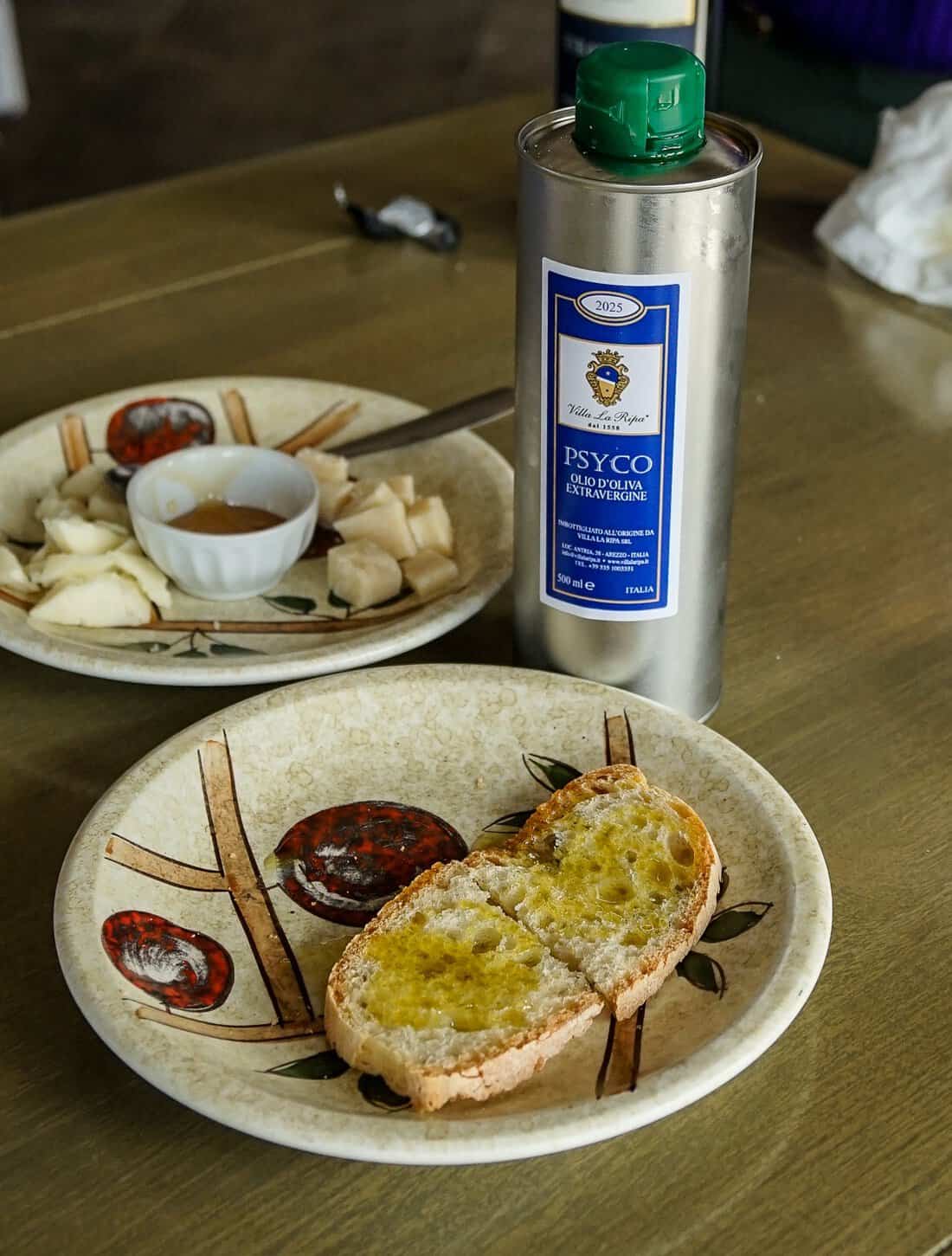
She also presented a 2023 Syrah Syrah, a blend of Grand Syrah and Petit Syrah, a “fresh and elegant” wine with a touch of pepper. It also landed in my back seat collection.
Like the others I visited, Villa La Ripa may never be on the well-worn path of Tuscan wine country. But also like the others, La Ripa is producing unique wines closer to their heart – and others like mine.
“Everyone produces Chianti wine,” Claudia said. “So we wanted to produce something different from Chianti. A pure Sangiovese could be a Chianti so we decided to not call it Chianti. We call it Perconia, the first owner of the Roman villa.”
If you’re thinking of going
How to get there: Rent a car. Public transportation in Tuscany does not go to individual wineries. I rented a car through Noleggiare in Rome’s Termini train station and paid €124 for four days, including insurance.
Where to stay: IConic Wellness Resort and Spa, Via Andrea della Robbia 175, Arezzo, 39-05-75-964-100, https://www.iconicresort.com, info@iconicresort.com. Three-star hotel and spa on outskirts of Arezzo. Fantastic spa includes Jacuzzi, sauna and massage chairs. Outdoor pool perfect for hot summer days. I paid €361 for three nights, including breakfast.
Where to eat: La Lancia D’Oro, Piazza Grande 4, Arezzo, 39-05-752-1033, https://ristorantelanciadoro.it, lancidoro@loggevasari.it, noon-3:30 p.m., 7-10:30 p.m. Tuesday-Sunday, noon-3 p.m., 7-10:30 p.m. In a 500-year-old building on the charming, sloping Piazza Grande, La Lancia D’Oro is a third-generation family run restaurant with ferns hanging from the central archway. Lots of free house goodies on the side and excellent Tuscan dishes. Try the calamari ravioli. Dinner for two with antipasti, wine, dessert and tip for excellent service was €144.50.
When to go: Arezzo is at 1,000-foot elevation (300 meters) so it’s 5-8 degrees cooler than Rome year round. As I’ve always said, avoid Italy in July (too crowded) and August (too hot). Best time to tour vineyards is during the fall harvest season.
For more information: Arezzo Turismo, Emiciclo Giovanni Paolo II, https://www.discoverarezzo.com, 9 a.m.-4 p.m.
April 17, 2026 @ 2:56 am
We first met Severio on a 2018 visit to Arezzo. My wife and I fell in love with Arezzo and Villa La Ripa. We have been back 7 times and consider Claudia, Slyvia, and Severio friends. We have seen the vineyard grow. We have had the pleasure of hosting a wine tasting evening in our home town in Iowa and with an employee of Villa La Ripa in attendance.
So get of the beaten path and make new friends in Arezzo
April 17, 2026 @ 10:52 am
Great story, Tim. We hope to meet Severio on our next trip.