


Beirut revisited: Contacts in my beloved city are safe but tired after six weeks of bombing
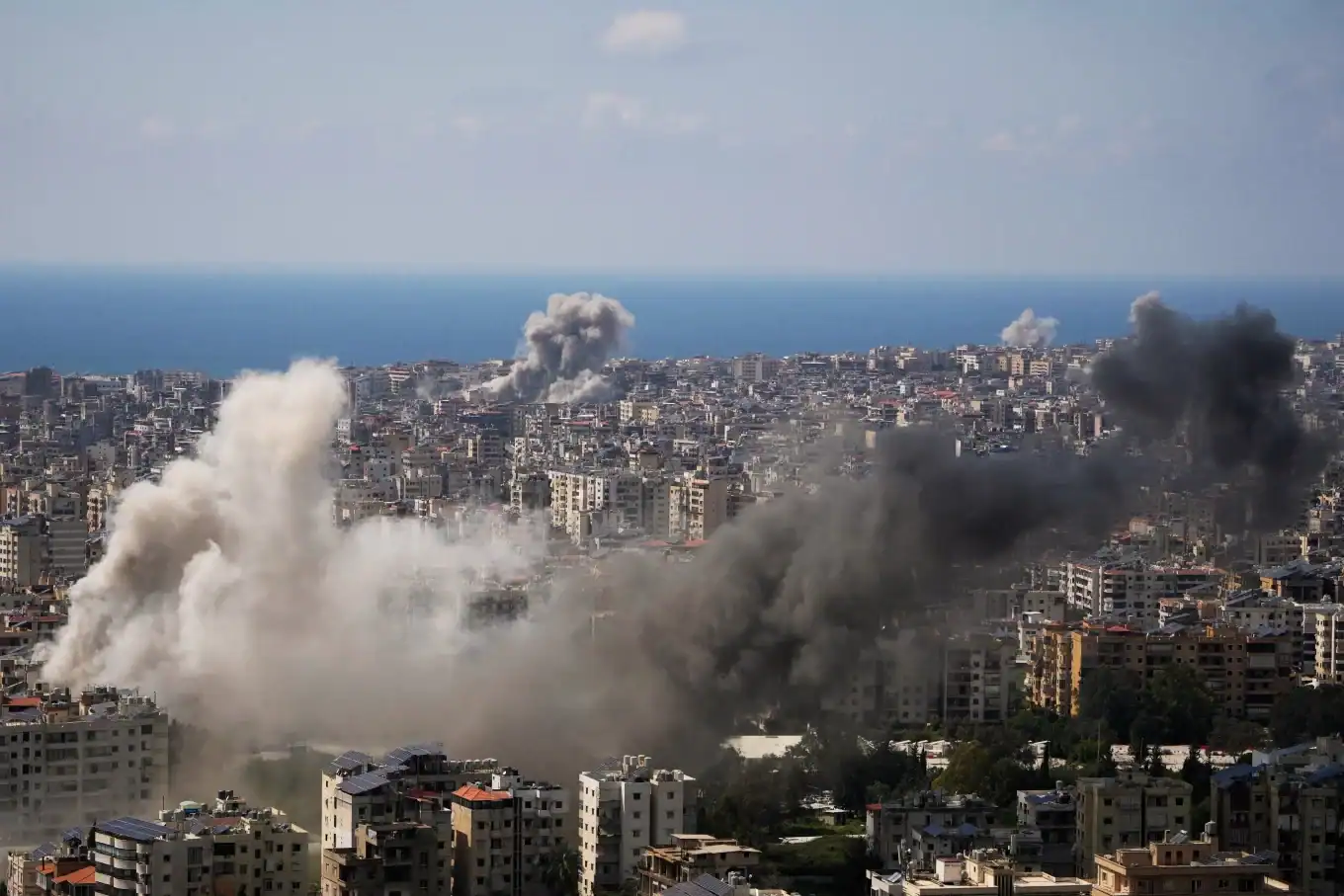
I didn’t hear any exploding bombs over the phone Friday. No sirens, either. Just two voices in Beirut hiding the stress of living inside another war.
The current ceasefire, however precarious, has provided some momentary peace, if not hope, for my old contacts in Beirut. The war-torn capital is one of my favorite cities in the world. Its people are so friendly. Its land and seascapes are so beautiful. Its food and wine are so delicious.
As I spent the last six weeks watching Israel expand its bombing deeper into the Lebanese capital like a slow-attacking deadly virus, I wondered if the Lebanese I met are still around. They are.
But they’re tired. They are oh, so tired.
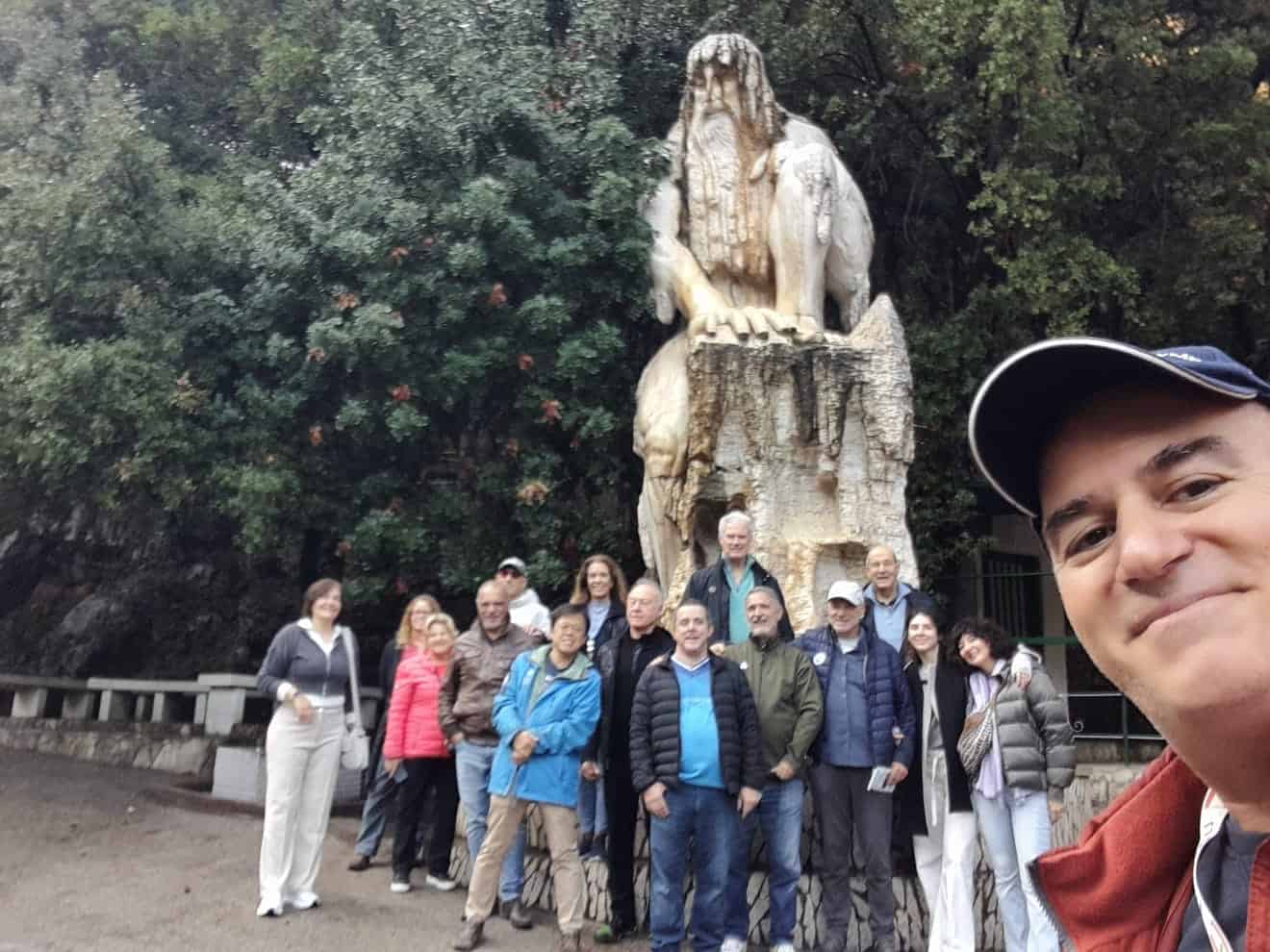
Where my Beirut contacts live
“Actually, it’s frightening,” said Elie Abou Jaoudè, the guide for my Travelers’ Century Club tour in December. “We are afraid, yes. I have a family. The stress is more. Because you never know. You hear the planes that do the scouting: the drones. They are coming and going, coming and going.”
Elie lives inland on the outskirts of Beirut about 15 kilometers from where Israel dropped its closest bombs. But Andre Toriz, who owns the bar, Captain’s Cabin, near my hotel, lives in the southern end of Beirut which Israel has absolutely battered.

He lives near Kola Square, not far from the bus station that got bombed in September 2024.
“Kola Square is about 60 percent dangerous,” he said. “Further to the airport is 80 percent. Go left, it’s 100 percent. I’m 5-10 minutes from the airport. Dariyeh is far from me but with my moped it takes 10 minutes.”
Dahiyeh is the famed, bombed-out neighborhood along Beirut’s southern fringe that has been the stronghold for Hezbollah, the Iran-backed militia that Israel has tried to grind into dust for more than 40 years. In December, a nervous taxi driver drove me through Dahiyeh and it looked like a mini Gaza. Flattened buildings. Rubble everywhere. Flags of fallen leaders flying in the wind.
Now it is Gaza.
“Dahiyeh,” Andre said, “is leveled.”
The last six weeks
The latest edition of this endless Israel-Hezbollah War is one of the worst yet, they tell me. After the United States and Israel launched the Iran War Feb. 28, Hezbollah attacked Israel on March 2 and the Israelis have returned heavy artillery for six weeks.
According to Reuters, nearly 2,300 Lebanese have been killed with more bodies uncovered in the rubble every day. One million Lebanese have left their homes although many are trickling back during this ceasefire. They filled schools and government buildings, even nightclubs in the hip Gemmyzeh neighborhood. They sheltered in Camille Chamoun Stadium near Dahiyeh.
On April 8, known forevermore as Black Wednesday, more than 100 bombs rained down on Lebanon, killing more than 300 and injuring 1,165, according to the Lebanese Civil Defense. That’s more casualties than Beirut’s 2020 port explosion. Some of the worst damage came in Beirut, especially the Barbour neighborhood not far from the National Museum. One injured woman had to have her legs amputated.
Another bomb hit the Corniche El-Mazraa neighborhood. Its strike on the Ramada Plaza Hotel killed at least four people and injured 10. It’s five minutes from Al Falamanki, the cool restaurant where I smoked green apple narjile during my two visits.
For me, this is like watching a love story turn into a slasher movie. During my visits to Beirut in December and 2019, I spent much of my time meandering down the beautiful seaside Corniche, marveling at the royal blue Mediterranean, watching fishermen, ordering a glass of wine at the tony Manara Palace Cafe.
Today the Corniche and the sands below are littered with tents of Beirut’s new homeless.
“It is bad,” Andre said, “but we have to live and keep on going.”
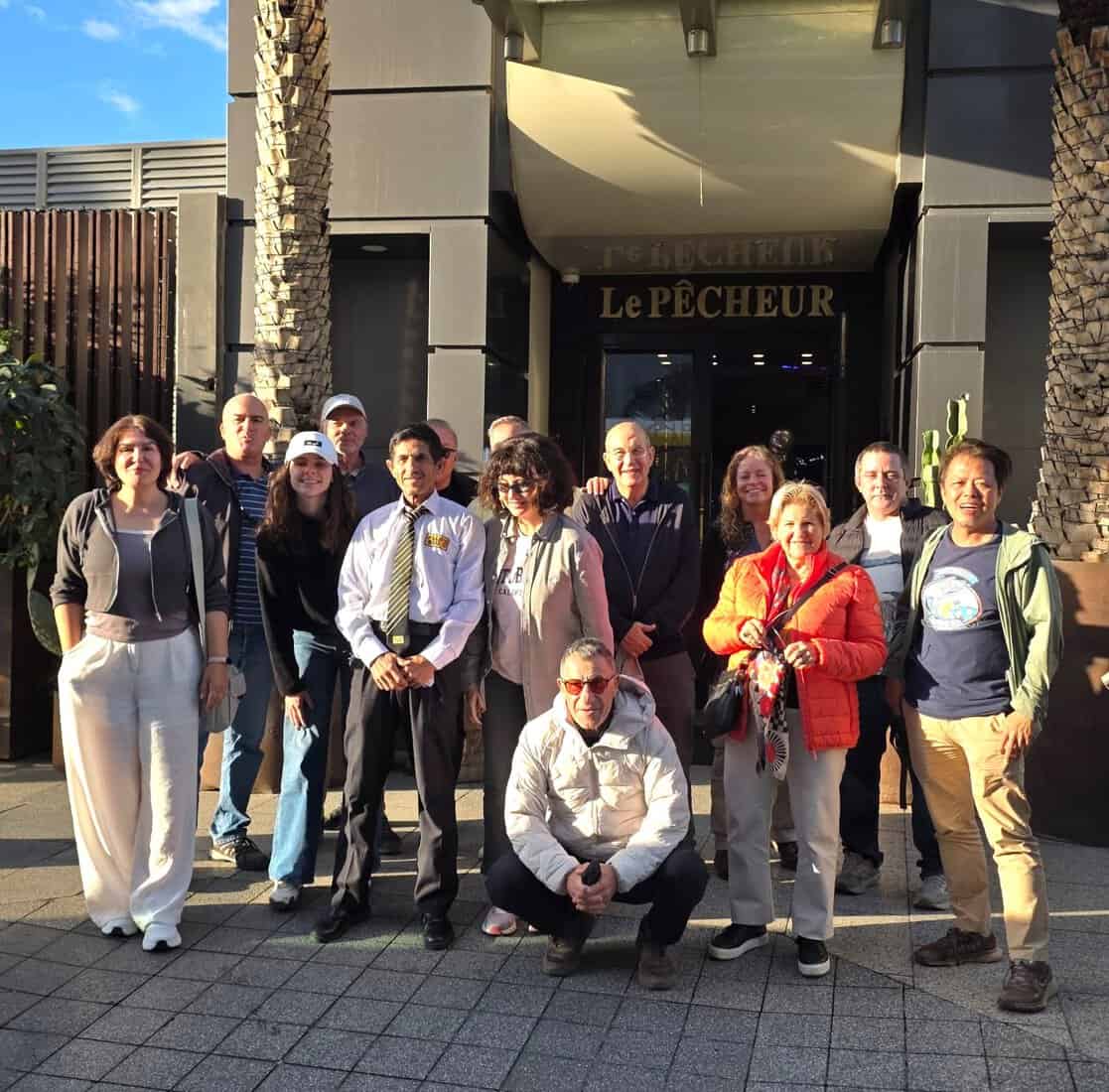
The Chateau Ksara winery in Bekaa Valley in eastern Lebanon is still standing. Reine Saade, the kind tour guide, said Israel’s bombs haven’t come close yet.
My lovely hotel, the El Sheikh Suites, has also survived. It remains open and is taking in guests.
“Thankfully, we are located in a safe area, far from any incidents,” the hotel texted me.
It’s not that far. The El Sheikh is only a little more than a kilometer from Corniche El-Mazraa.
The El Sheikh and Captain’s Cabin are in Hamra, a cool neighborhood lined with restaurants, bars and retail stores. It’s a great place to hang out in the northwest end of the city. But it’s also a center of rebellion. On March 8, residents marched throught he streets demanding government assistance to the displaced Lebanese and protesting Israel’s military.
The effects on the survivors
Those still alive and in homes are affected, too. Elie’s last international guided tour was a group from Hong Kong who spent six days traveling around Lebanon and, Andre said, “They enjoyed every step.” Then he took them to the airport.
That was Feb. 28. Hours later, the U.S. and Israel attacked Iran. The bombing in Lebanon started two days later.
“I had the whole month booked,” Elie said. “Everything was cancelled. Imagine a whole month. I had a group doing the Lebanon mountain range, from north to the south for a month. All cancelled.”
He’s getting by as a mountain guide on weekends for local hiking groups and foreign nationals still living in Lebanon.
Meanwhile, in the center, Captain’s Cabin has been a Beirut institution since 1964. I love its nautical theme, local vibe and underrated Lebanese wine. Usually Captain’s Cabin is hopping at night.
Now?
“Actually, it’s very slow,” Andre said. “It’s slow during the war. People don’t drink. They just want to smoke.”
In December, I talked politics with Elie and Andre. They weren’t nearly the radicals I expected. Americans seem angrier at Israel than these two. But they, like so many Lebanese I met, are just tired, tired of war that has stretched for more than 50 years and the start of the 15-year civil war.
Hezbollah
Complicating the issue is Hezbollah’s heavy presence, despite the pounding it has taken. In Dahiyeh, I saw the building where Hezbollah leader Nassan Nasrallah once lived before Israel killed him with a missile that destroyed the entire building. More than 30 others died and almost 200 injured.
Hezbollah isn’t just a radical militia. It’s a political party that has seats in the Lebanese government. Most Lebanese – and much of the government – hate Hezbollah almost as much as the Israelis. Lebanon’s government would like Hezbollah to just go away.
But it’s not strong enough to extinguish Hezbollah on its own.
“It’s not Lebanon’s war,” Elie said. “It’s related to Hezbollah and related to Iran. We are stressed. It’s not our war. It’s not Lebanon’s war. Lebanon and Lebanese are peaceful people. This war is going down on us like parachutes.”
Andre told me the latest problem is Hezbollah fighters are branching out into different areas on the fringes of Beirut. It’s why Israel is finding new areas to bomb, like Barbour.
Israel says it sends warnings to residents to get at least 300 meters away. Bombs are coming. However, the cabby who took me through Dahiyeh said Israel only does that when they target ammunition storage areas. They don’t send warnings when they bomb buildings holding a Hezbollah fighter.
Why would they? Good point.
“Who do I blame?” Andre said. “What happened shouldn’t have happened. One spark leads to another spark. These militias are not official. These are to start the spark then they retaliate and most of them are responsible. They’re hitting Beirut. It’s not human how they’re hitting Beirut.”
Will ceasefire work?
The ceasefire began Thursday on grounds that the Lebanese military, not Hezbollah, would guard the southern border. Israel can defend itself but not carry out “offensive operations.”
Meanwhile, many Israelis are attacking Israel Prime minister Benjamin Netanyahu for the ceasefire. Many believe Hezbollah will use the timeout to regroup.
My Lebanese friends are so tired, they even praised the U.S. for brokering the ceasefire.
“It’s great,” Andre said. “It’s the only country that’s looking after what’s happening. Before, (they) had lost interest during the ‘80s. They left the country and now they’re back. That’s a good sign. But also, I’m very careful about what’s going to happen.”
The ceasefire ends Sunday. Beirut’s future may be told in the ensuing week.
“We see a light at the end of the tunnel,” Elie said. “This time it is our last chance to live in peace.”
April 21, 2026 @ 12:58 pm
Thanks for the perspective, John. The human stories are the ones that need to be told.
April 21, 2026 @ 3:39 pm
Thanks, Don. Unfortunately, outside restraints keep me from commenting on the situation. Probably best. I’d rather not get Rome bombed.