


Travel and sport: How the two passions go hand in hand
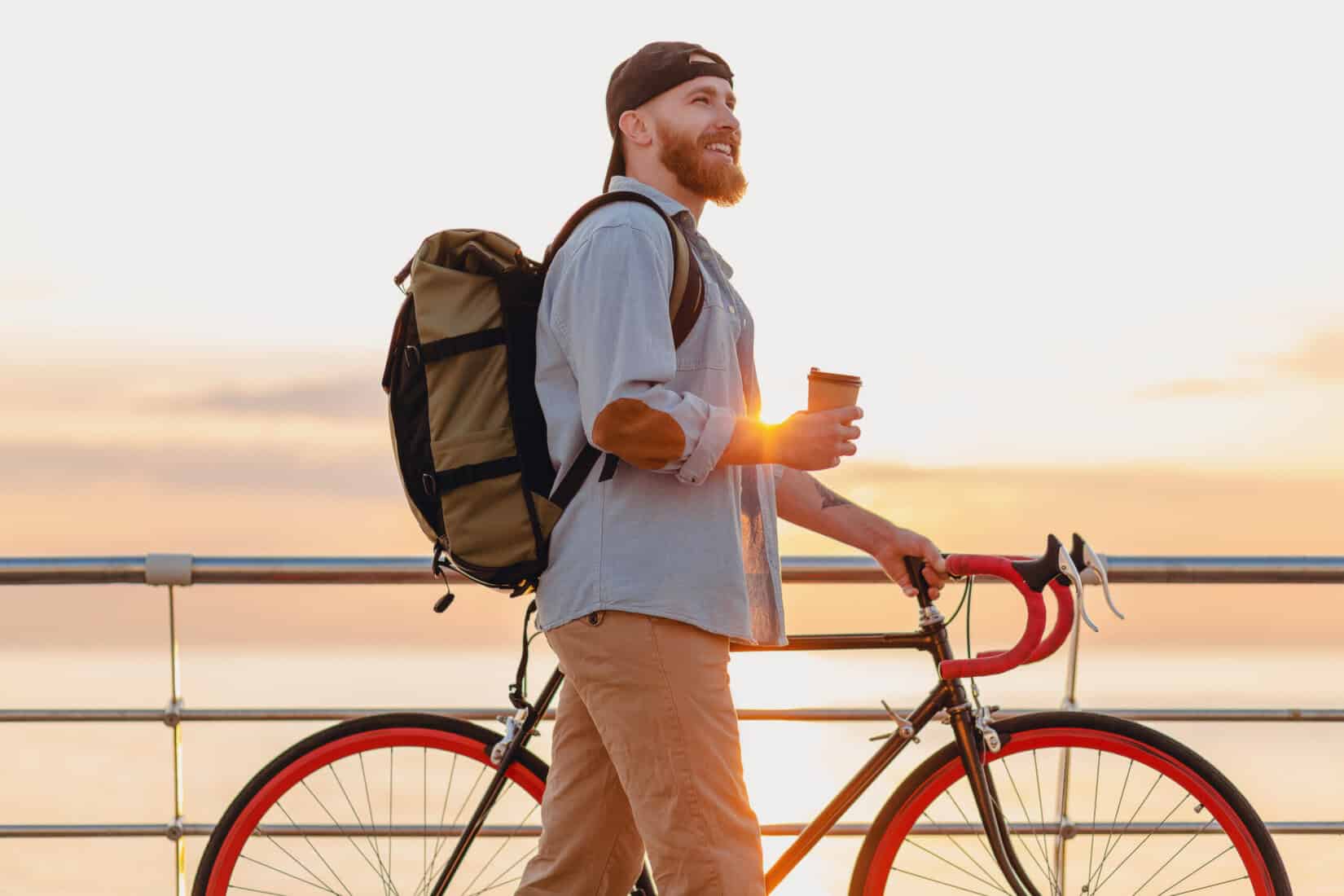
(Director’s note: One of the best cultural experiences I’ve had while traveling is attending sports events. It might be a soccer match in Belgrade or a rugby match in New Zealand. attending a game or match with locals gets you more inside a culture.. Even exercising, from jogging to taking long walks instead of local transport, brings you closer to the locals. Guest blogger Eliza Medley, a writer and psychologist, describes why combining travel with sports enriches your time abroad.)
Travel stays in memory when there is a match, a route, or a small physical effort attached to it. A city feels clearer after a morning run, a stadium walk, or a bike ride that ends with proper local food.
Sports trips and the habits around the game
Many travelers now plan weekends around sport, even when they are not competing. Someone flying to Mumbai for a cricket weekend may check match schedules, stadium rules, transport routes and weather before booking the final night. If that same fan also follows odds, opening online betting india becomes part of the pre-match routine, along with reading team news and checking start times. The same pattern shows up in North America, where fans travel for NFL weekends, NBA playoff games, or Major League Baseball road trips planned around one key matchup.
This works best when betting stays in its own lane. The day works better with a few boring details settled early: the ticket on your phone, water, a clear route back and enough time before kickoff. No one enjoys a great match while rushing across a city hungry and half-lost.
Travel tied to sport is already a known pattern. Sport can shape the whole route: a marathon weekend, a cricket trip, or a city break planned around one big match. That is why sports tourism feels closer to real travel behavior than a dry industry term. The appeal is obvious when a city changes mood on game day. In the United States and Canada, that atmosphere often builds around packed football tailgates, hockey nights downtown, or college sports weekends that fill entire neighborhoods with fans.
Why active travel feels more memorable
Move around on foot for a while and the city stops looking like a route on Google Maps. You notice the shaded side streets, busy coffee counters, small parks and how far the “nearby” waterfront actually feels from the hotel. That extra movement is useful too, since physical exercise supports heart health and mental well-being.
Good active travel does not need extreme plans. Most people enjoy it more when the schedule leaves room to breathe. A tennis lesson in the morning and a long dinner later usually beats a packed day with five “must-do” stops. A similar rhythm works well for travelers spending a day around a baseball game or an afternoon at an NBA arena, where the event becomes part of a slower local experience rather than the only thing on the schedule.
A useful active itinerary usually includes:
- One main activity. Pick the hike, match, ride, or class that matters most.
- Recovery time. Leave space after hard activity, especially in heat.
- Local movement. Walk short routes instead of booking every transfer.
- Weather backup. Keep one indoor option ready before the day starts.
After that, the trip feels less forced. A short swim before breakfast can leave a stronger memory than another hour scrolling in the hotel room.
When watching sport becomes part of the route
Some travelers build their evening around a live fixture. Between a late lunch and kickoff, some fans check the teams, venue updates, and odds in one go. If they already use melbet, that check fits naturally into the match-day break.
The key is timing. Betting, streaming and score-checking should not swallow the place itself. A trip to Goa, Jaipur, or Kochi gives more than a screen can offer, so the digital layer works better when it fits around the real day.
Travel needs movement, not pressure
Here, travel is tied to movement. The wider tourism industry shows how much people spend on routes, events, guides, hotels and local experiences built around that need. For a sports trip, one strong plan is enough: the match, the trail, the ride, then time to actually enjoy the place.
A runner wants a safe morning route. A cricket fan wants enough time near the stadium. A cyclist wants a rental shop that opens early. When those small details are handled, outdoor activity and travel stop competing for attention and start working as one good reason to leave home.