


Lampedusa immigration: Red Cross comes to rescue after the most dangerous migrant passage on Earth
(This is the second of a two-part blog on the Italian island of Lampedusa.)
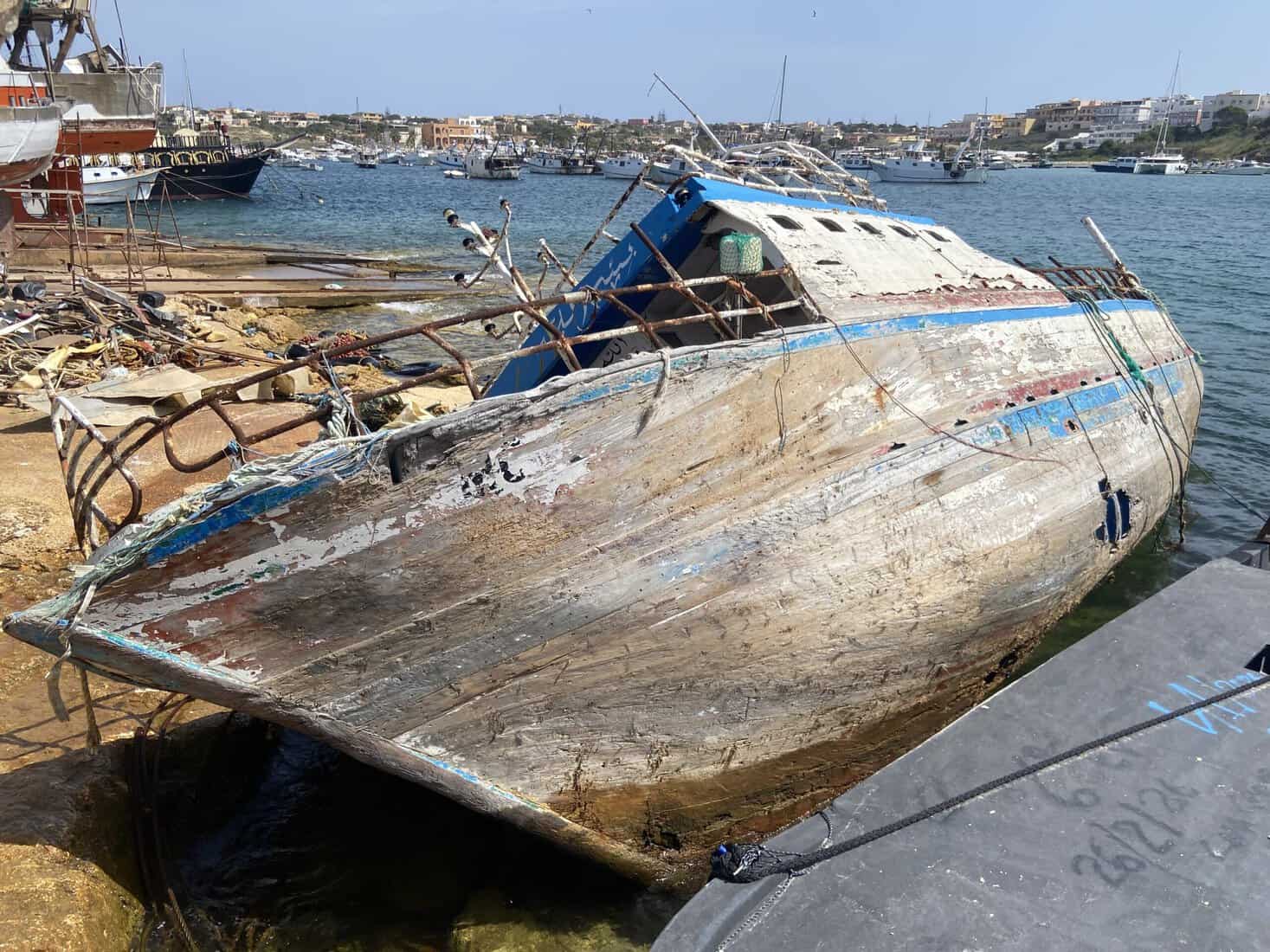
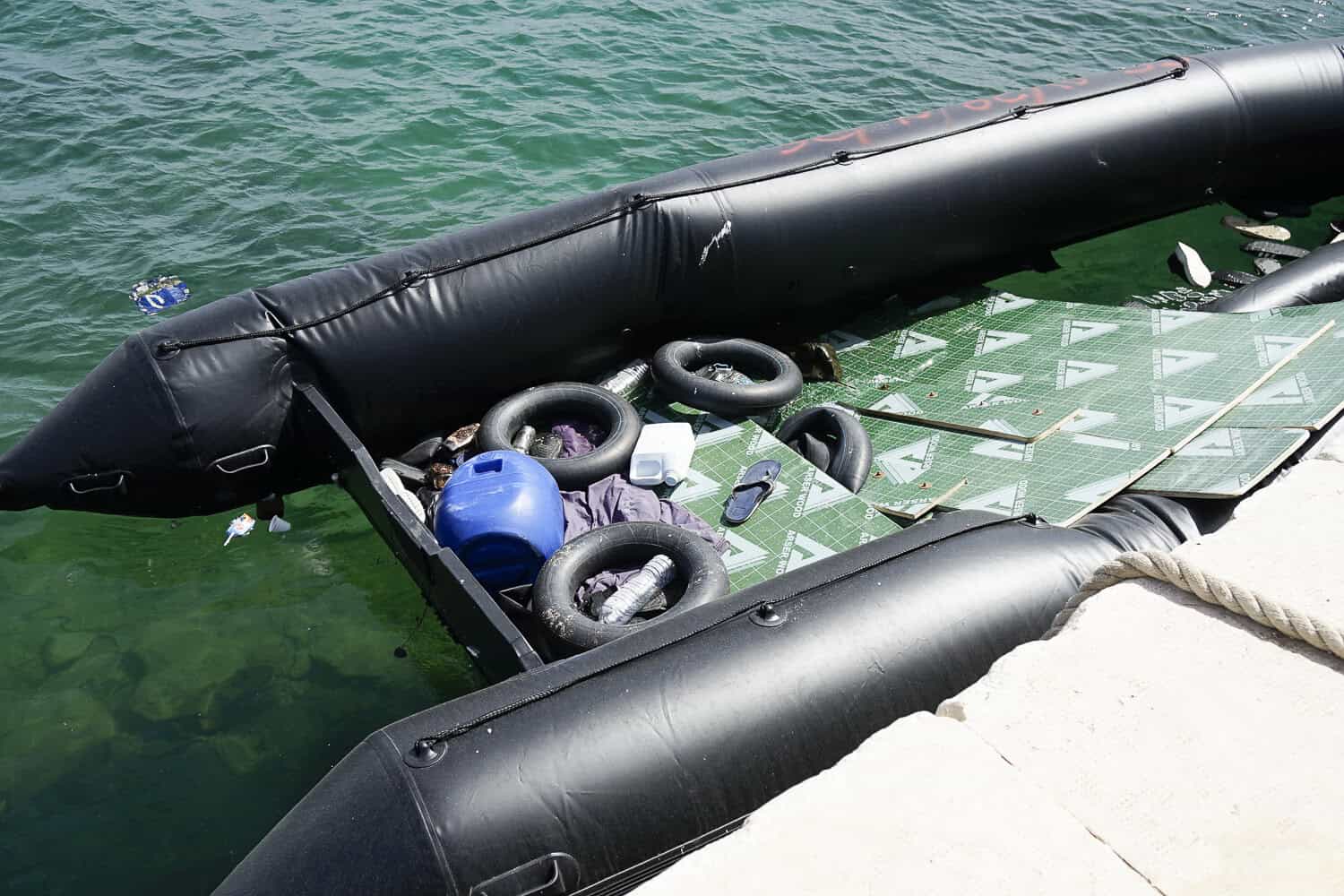
LAMPEDUSA, Italy – The wooden boat lay on its side, its peeled paint nothing more than streaks of brown wood and faded blue. The hull had a hole big enough for a school of fish to swim through or sink the boat in five minutes.
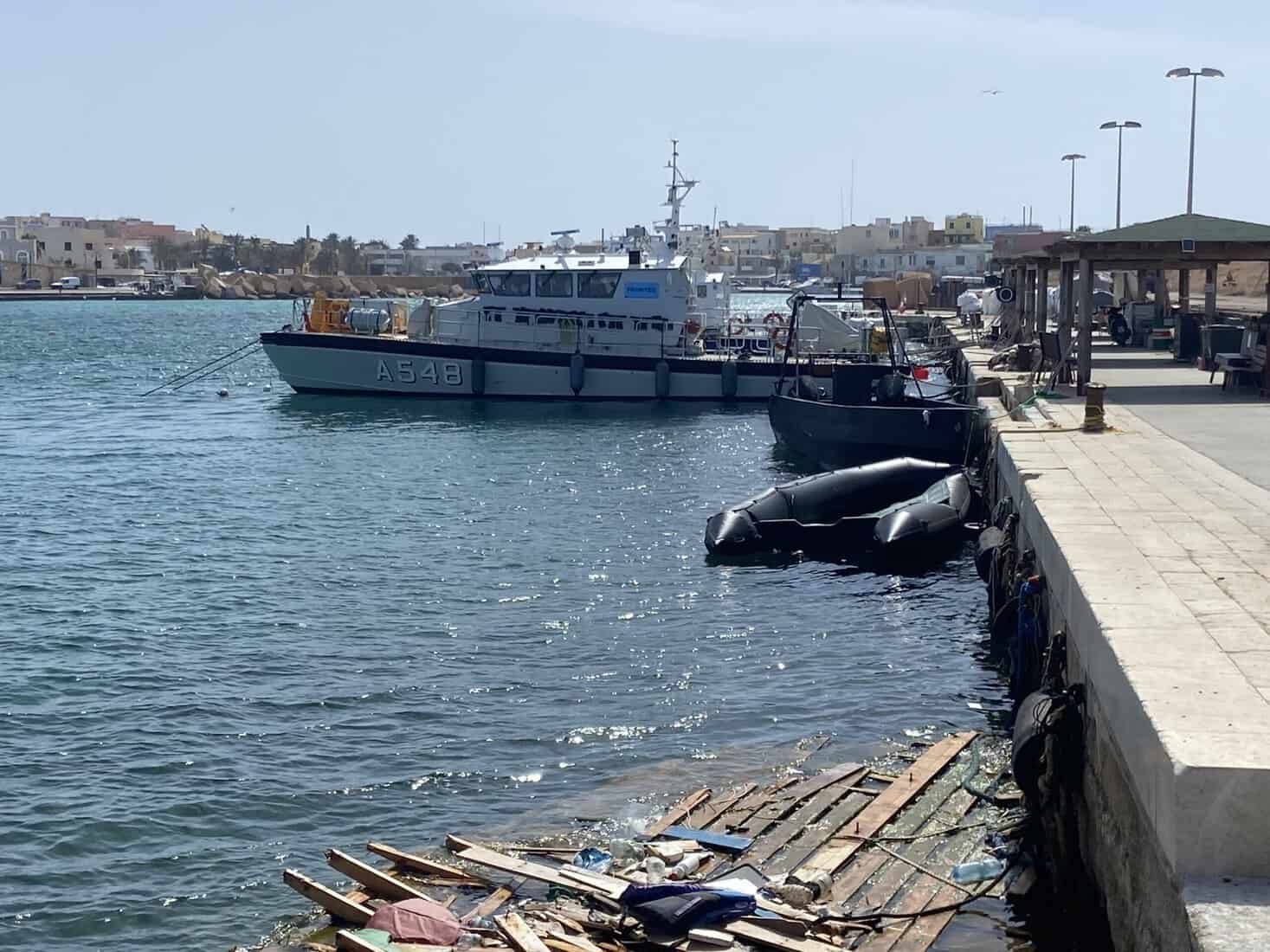
Beside the boat was a collection of debris. A small suitcase. A boat engine. A life vest. It looked like vandals had attacked a garage sale. In an inflatable boat with some of the floor blown out lay one flipflop. Some shoes floated in the water where the boat’s floor once was.
I wondered what stories these boats could tell. Did people survive? Did they drown? How did they get here? But the most important question of all is this:
What’s it like traveling what the United Nation calls the deadliest migration route in the world?
The pier
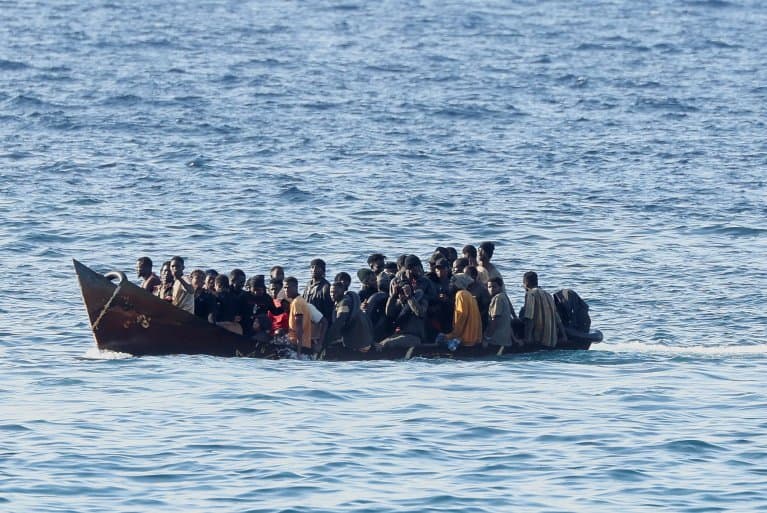
I was at Molo Favarolo, the pier where the isle of Lampedusa has been the gateway to Europe for migrants in this century. Since 2004, an estimated half million migrants have made the terrifying ride from Africa across the Mediterranean. According to the United Nations, more than 30,000 have died.
It takes 24-36 hours to travel the 180 miles (295 kilometers) from the Libyan coast to Lampedusa. That’s across rocking waves in old, overcrowded boats and water in the 50s during winter months. Some migrants fall out, never to be seen again by their wailing family members onboard.
It creates one of the biggest paradoxes in Europe. Lampedusa is a tourist island featuring one of the best beaches in the world, a relaxed vibe and fresh seafood that attract a quarter million visitors a year. But Lampedusa is also the symbol of immigration’s darkest side, of political turmoil and desperation and death.
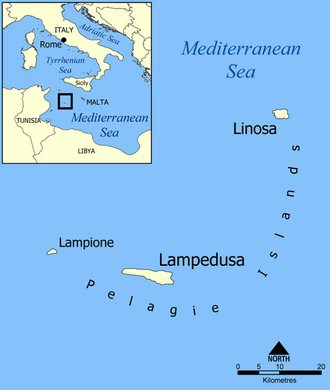
Marina and I were here three weeks ago for a meeting of my Travelers’ Century Club Mediterranean Chapter. Our Hotel Martello was only about 100 meters from the pier where hundreds – sometimes thousands – of migrants land nearly every day.
I asked the hotel front desk clerk if she sees the parade of migrants when they land. She said never.
“I only know when I see it on TV,” she said.
Yes, while this little island of 6,400 people has made international headlines for a massive wave of migrants, they are like ghosts. No one sees them. In five days, we saw only two people of color. They worked on a fishing boat. They were locals.
The rest are rescued, treated, processed and sent on to new lives in a system that The Telegraph of London called “a well-oiled machine.”
We made an appointment to meet the machine’s operator.
Red Cross’ hotspot
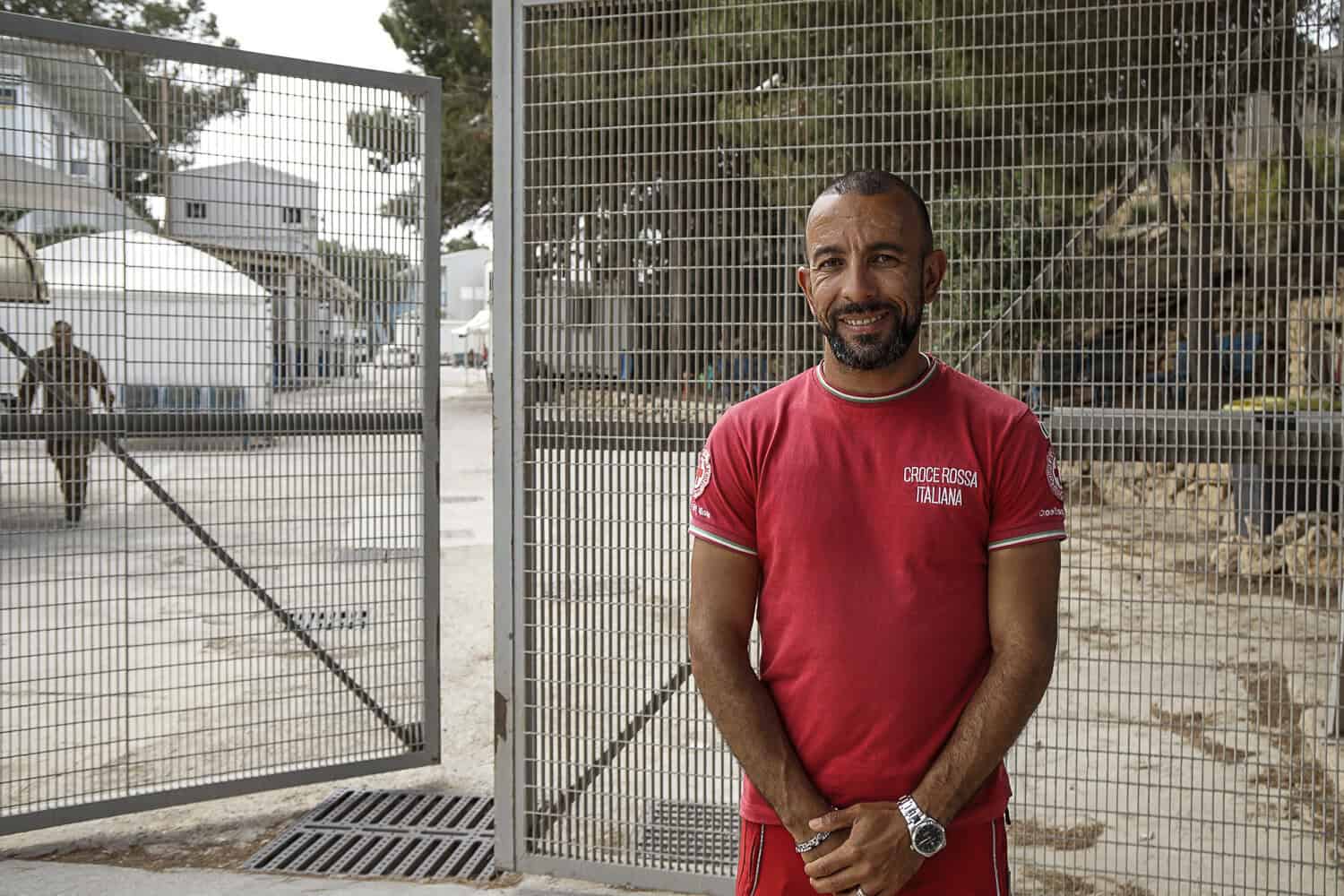
Just a couple of miles from Via Roma, Lampedusa’s main pedestrian street where people eat cannoli at outdoor cafes and buy sun dresses in tony boutiques, hundreds of immigrants are recovering behind a tall fence. Between two high hills is a long string of buildings where Italy’s Red Cross has set up the immigration process.
Called the hotspot, the facility opened June 1, 2023 and has transformed Lampedusa’s immigration situation from chaos to harmonious.
Meeting us was hotspot director Imad Dalil, himself an immigrant albeit a less scarred one than those he works with. He was born in Morocco and his father came to Lampedusa on a comfortable boat for work in 1988. Imad joined him two years later when he was 4.
Sporting short hair and a neat beard, Dalil has seen it all from the tears of loss to the tears of joy. He knows the massive cog the Red Cross provides in the immigration process.
“It’s very important,” he said in excellent English. “We are here for humanity. The first principle of the Red Cross is humanity. You can not take any person or lose any kind of person and look away.”
He described how his well-oiled machine works.
Nearly every day the hotspot receives calls from the Coast Guard or the Guardia di Finanza, Italy’s military corps, that a migrant boat is coming to the Favarolo pier. The hotspot goes to the pier with its bus and greets the survivors with water, juice and brioche.
Brioche? Sweet French bread?
“Doctors say that with a little cake, a person can stay three hours,” Dalil said with a smile.
They drive them straight to the hotspot facility. They are given a badge with an ID number with which they use to see a doctor and collect food.
Immigration officers and police in the hotspot collect names, dates of birth, nationality and reason they left their home country. The migrants are fingerprinted and have their picture taken, all of which goes into a European database.
Usually within 36 hours, they are sent by boat to Porto Empedocle, a town near Agrigento, the Sicilian city that is Lampedusa’s administrative center. From there they are sent to their new cities in Italy.
However, it’s not always this simple. If they arrive in critical condition, they are airlifted by helicopter to Agrigento at the Italian government’s expense.
Sometimes it’s too late. On May 16, an infant girl arrived on a boat from Tunisia soaking wet. She died of hyperthermia shortly thereafter.
The biggest calamity the Red Cross faces is trauma. A team of psychologists are on hand day and night for people who lost loved ones along the way.
“It’s normal that relatives that arrive in the hotspot need support,” Dalil said. “Or we know they spent a long time in a Libyan prison and there they are abused. They are tortured.
“For me, for example, arriving are parents who lose daughters on the trip. It is not easy to discuss it with them.”
The task can be so stressful, there are even psychologists for the staff.
Lampedusa history
The early 2000s were difficult times in Africa and the Middle East. Wars, political instability and economic collapse across the regions forced many to flee their native lands. Lampedusa was the logical target. It’s not only the southernmost point in Italy, it’s closer to Africa (60 miles) than it is to Sicily (120 miles).
In 2004, Libya became the main jump off point to Lampedusa. In 2006, people in Africa began charging migrants for passage to Lampedusa and the island was overwhelmed. In 2009 Lampedusa’s then reception center regularly had 2,000 immigrants for a facility built for 850.
In 2011, rebellions in Libya and Tunisia sent more migrants. The numbers are astounding. By that May, 35,000 had arrived from the two countries. By September it was 48,000.
While the European Union fought internally over the issue, migrants were dying. In Oct. 2013, a boat sank with 500, mostly from Eritrea and Somalia, killing at least 300. From January to April 2015, 1,600 died from Libya.
With help from the Italian government, the Red Cross built the current facility which can hold 700. In 2024, 45,997 arrived in 1,095 boats.
Last Sept. 12, the Hotspot received 12,000 people in 36 hours. They were all transferred within a week.
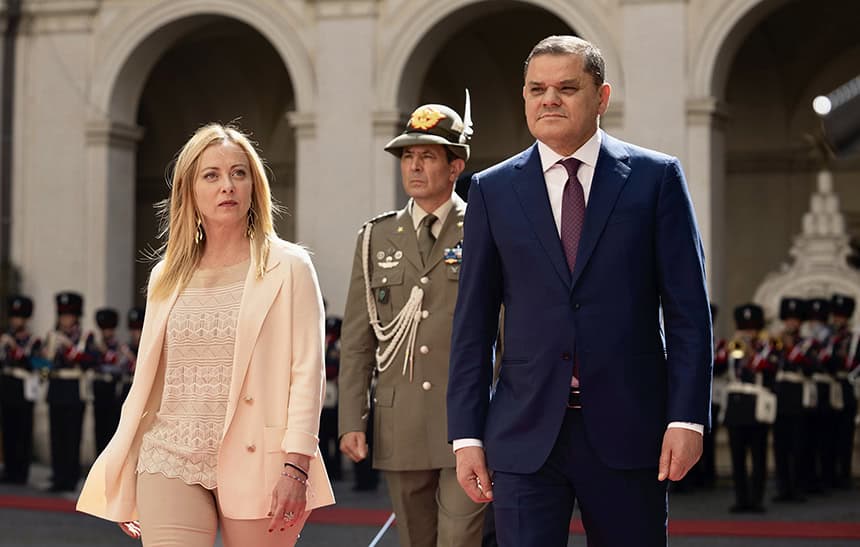
The 66,317 who arrived by boat in Italy (They also land in Sicily and Southern Italy) in 2024 was less than half the total of 2023, according to the Interior Ministry. Locals credit Italy prime minister Giorgia Meloni for working closer with Libya and Tunisia in keeping migrants from leaving. Since the hotspot opened, Dalil said the number of migrants into Lampedusa has been cut by 70 percent. Italy is willing to relocate the other 30 percent.
I asked Dalil what he thought of the United States’ immigration situation where Pres. Trump has rounded up hordes of immigrants, some of them legal residents, and shipped them out of the country.
He smiled. Then he dodged the question.
“To have an opinion you must be there and know exactly what the reality is,” he said. “Because we can only know from the social network what they want us to know.”
A politician weighs in
Locals we met had little to say about the migrants. They’d just answer with a shrug. Out of sight, out of mind. I read reports that before the hotspot opened, migrants on the island waiting to move on would fight each other or steal.
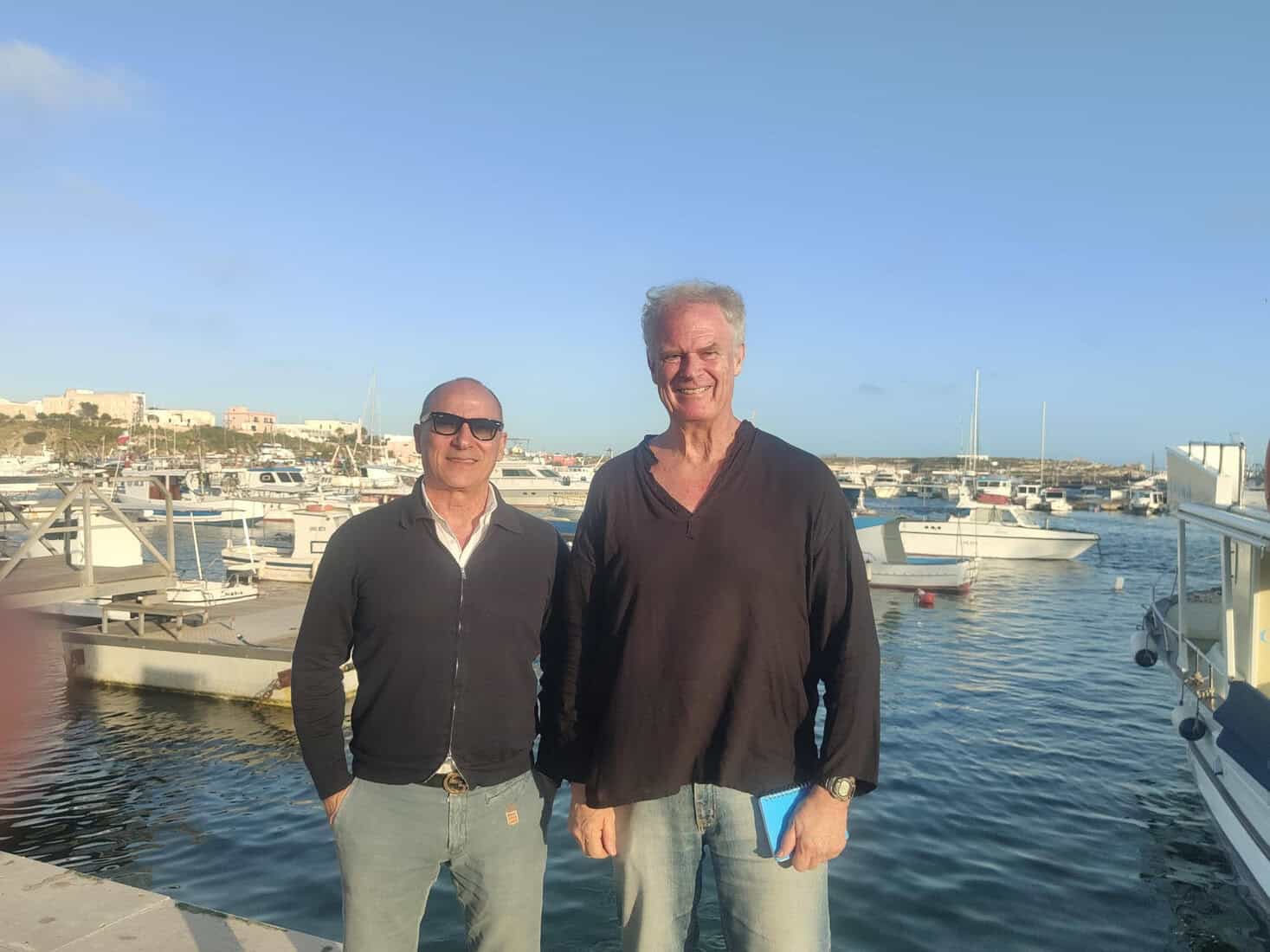
But one windy day at our favorite lunch spot on the port, L’Aragosta, I started chatting to a man about it. Turns out, Rosario Costanza is a Lampedusa native and the island’s heavy hitter for Forza Italia, the political party founded by the late Silvio Berlusconi.
I asked him how much credit Meloni deserves for cutting down on immigration.
“She did great,” he said in Italian. “Before the Meloni government arrived, a private association tried to resolve the problem. The association was no good. Only the Red Cross resolved this problem.”
But problems remain. I told him about all the debris washed up near Faravolo pier. He nodded his head.
“This is a big problem for the island’s economics,” he said. “These sunken boats make very dangerous pollution. When they pick up these boats and take them to port, these boats lose gasoline and other residue in the sea.”
The other problem is the same one locals complained about during my first visit in 2002: Lampedusa has no hospital. Emergency patients must be flown to Sicily by helicopter.
“If you decide this is the door to Europe, you must decide to build a hospital,” he said. “It is the door of Europe, not just Italy. This is very grave. If I have a heart attack, I have to go to the island by helicopter.
“If there is a hospital here, you can save many lives. Because if one of them has hyperthermia, in the hospital you can save them. But if there isn’t a hospital, you have to decide who to save.”
On our group’s tour of the island, we stopped at an artsy arch called the Porta d’Europa, The Door of Europe. The 15-foot-tall arch is decorated with pieces of art representing things like cooking utensils, fish and bowls, items migrants seek in fleeing their troubled homeland.
The people of Lampedusa no longer see the migrants. But they feel for them. To the next boat that sets sail from Libya? I can only say one thing.
In bocca al lupo (Good luck).
May 26, 2026 @ 2:38 pm
interesting article John, and informative. When we stayed in Lampedusa near the airport, we assumed the many flights which started after dark were returning “irregular” immigrants back to Libya under the terms of the Libya -Italy MOU treaty. In fact they are flying them to Italy as you stated. The MOU is Italian funding to the Libyan Coastguard to apprehend “irregulars” before they reach Lampedusa and return them to Libya.
May 26, 2026 @ 2:58 pm
I’m aware of it although I didn’t have room to go into detail. But it seems to be working pretty well. I just wish Trump would work with Latin American authorities as well as Meloni has with African.