


Italy’s hot-weather dishes: What to eat when the heat eats you
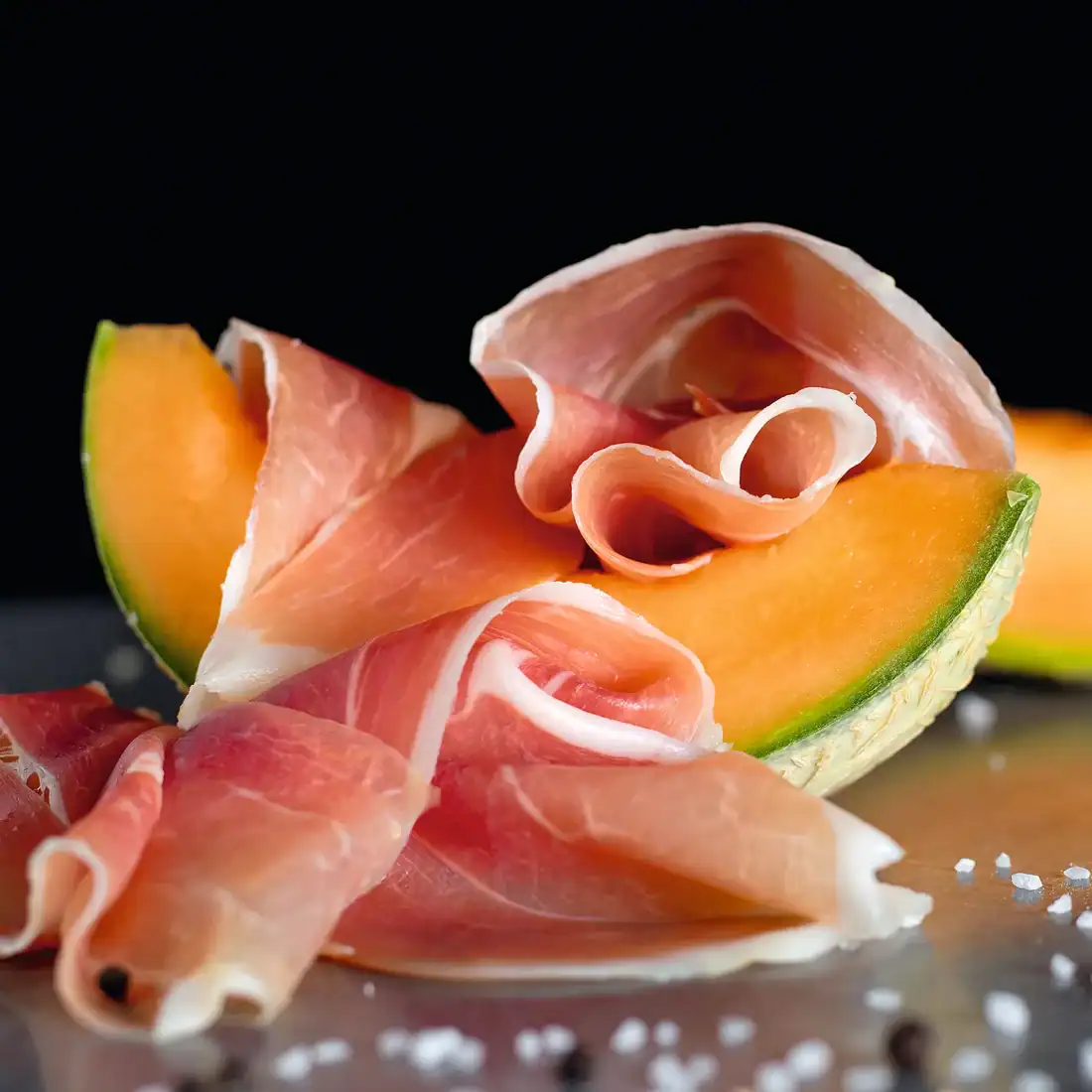
My new refrigerator is due by Thursday. It is so hot in Italy, even the city’s refrigerators are malfunctioning. Mine here in Rome won’t go below 60 degrees. I have to put milk and water in the freezer for 30 minutes before I can drink anything ice cold, an American trait I can’t – nor am I willing to – shake.
My two air conditioning units don’t reach the kitchen. That makes cooking now the equivalent of shoveling coal in a sauna. My kitchen just smells better.
Temperatures in Rome lately have touched 100. Humidity hovers around 35-55 percent. It not only saps my energy, it saps my appetite. Forget cooking. I have as much desire to stand over a pot of bubbling tomato sauce as I do sprinting to the Colosseum and back.
So how do I stay fed when cooking becomes a sweaty chore? Fortunately, I live in Italy. There’s a dish for every mood, occasion and temperature. Over the last 12 years in Rome I’ve compiled a rotation of Italy’s hot-weather dishes for the dog days of summer. They are easy to make, healthy and cool – literally.
Wherever you are and cursing climate change as I do, read my list – in no particular order – of 10 cooling Italian hot-weather dishes. You may not have the excellent ingredients I do here. (How’s the octopus in your area?) But you’ll get an idea of what eating during a steaming Roman summer is like.
You’ll notice the salad entries. Rome is not known for its salads. Order one with a meal and it’s a pile of lettuce, like the majority of their clientele are rabbits. But in summer the Italians get more creative. Hope one of these helps get you through your summer.
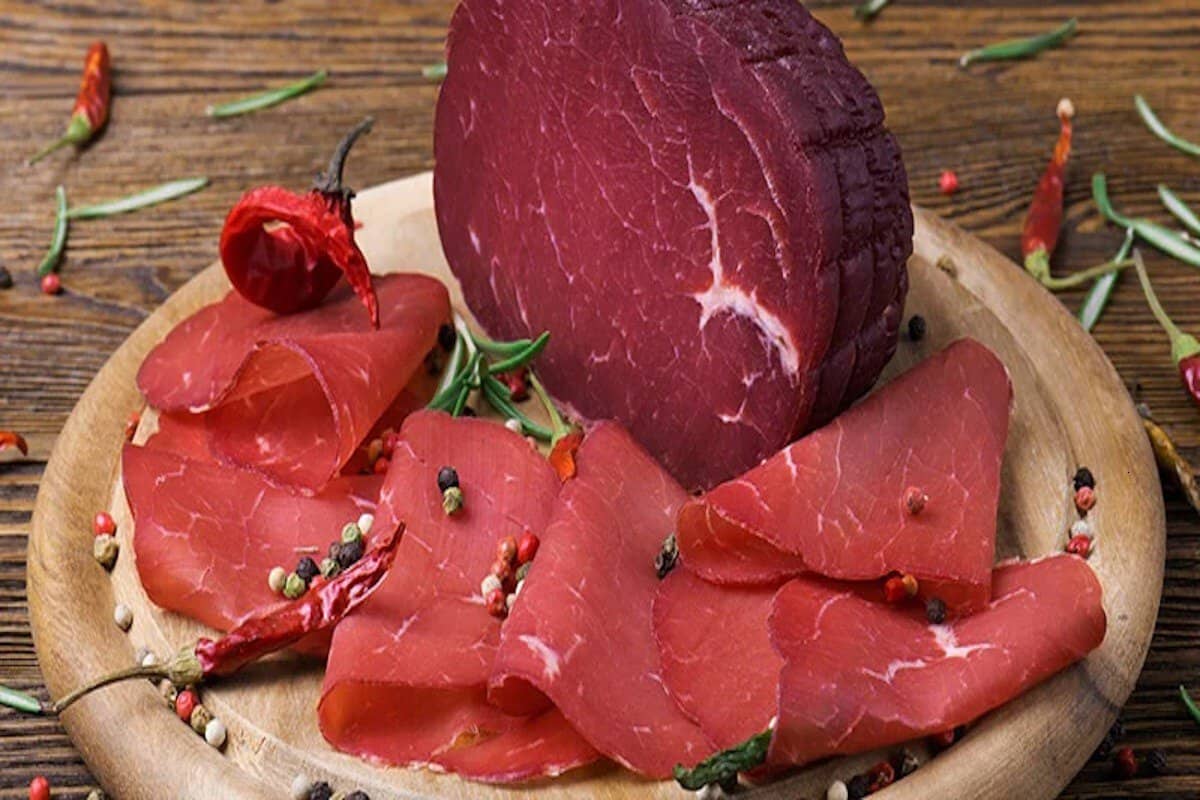
Bresaola
Bresaola is air-dried, salted, very lean beef that has been aged for two-three months. It becomes dark red, almost purple, and comes from Valtellina, a valley in the Italian Alps of the Lombardy Region.
The word comes from bresada, the Lombard word for “braised.”
I go to my deli and get one etto (100 grams or 3.5 ounces) sliced paper thin. I spread half of it on a plate, douse it with extra virgin olive oil and sprinkle it with Pecorino Romano or parmesan.
Pair it with a Barbara d’Asti, a red wine from the Piedmont region.
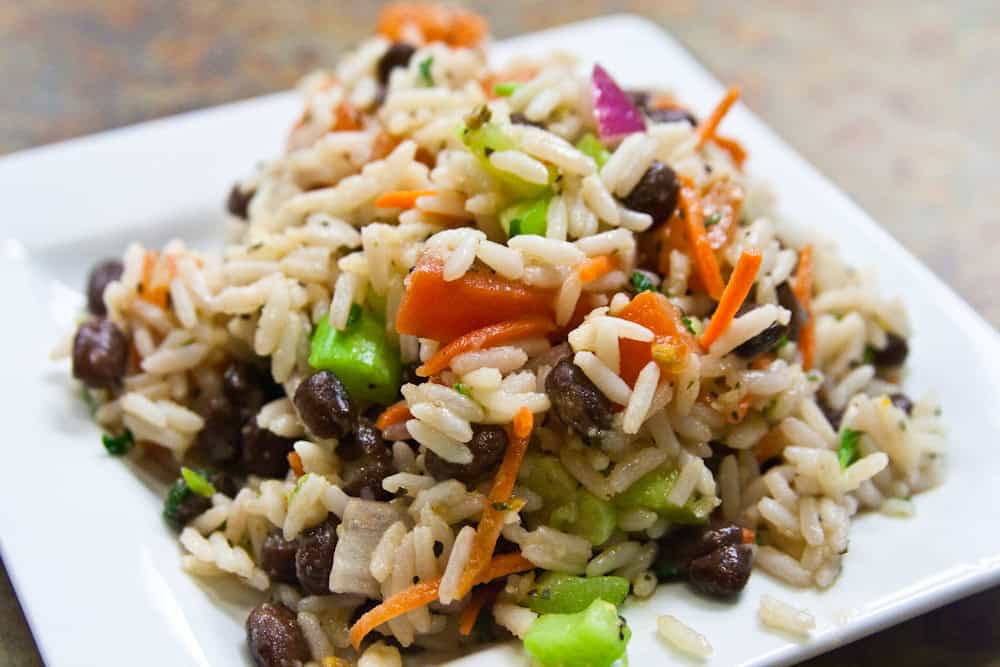
Insalata di riso
This originated in Northern Italy where over 900 square miles around the city of Vercelli they produce 1.5 million tons of rice a year. This is a great dish to get rid of all the leftovers in your kitchen. Boil long- or short-grain rice and add a variety of ingredients. In Rome we use:
Vegetables: diced bell peppers, cucumbers and carrots, sliced cherry tomatoes.
Meat/fish: tuna, diced ham, sliced salami, shrimp.
Cheese: Mozzarella cubes, provolone.
Olives: Green and kalamata.
Add extra virgin olive oil and a little salt.
Drink it with a Vermentino, a citrusy white wine.
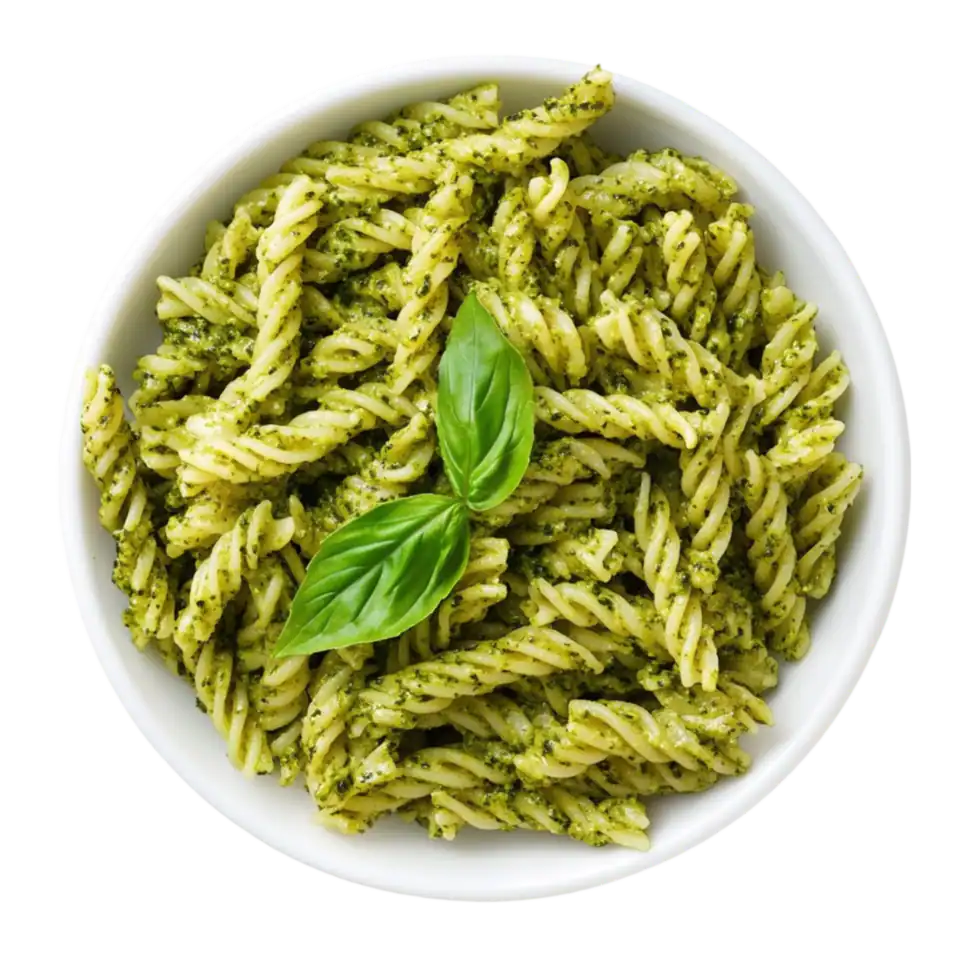
Pasta Genovese fredda
If you like pesto, the creamy, rich green sauce made from pine nuts, go to Liguria, the region that curls around Italy’s northwest coast. It’s here where they developed pasta al pesto.
Yes, you must boil pasta but then cover it in pesto sauce and put it in the refrigerator until cool (fredda is Italian for cold). Throw on numerous dollops of pecorino and maybe some sundried tomatoes and you have a pasta dish that won’t make you sweat.
Vermentino is one of Liguria’s most famous wines. Serve pasta pesto with this.
Polpo e patate
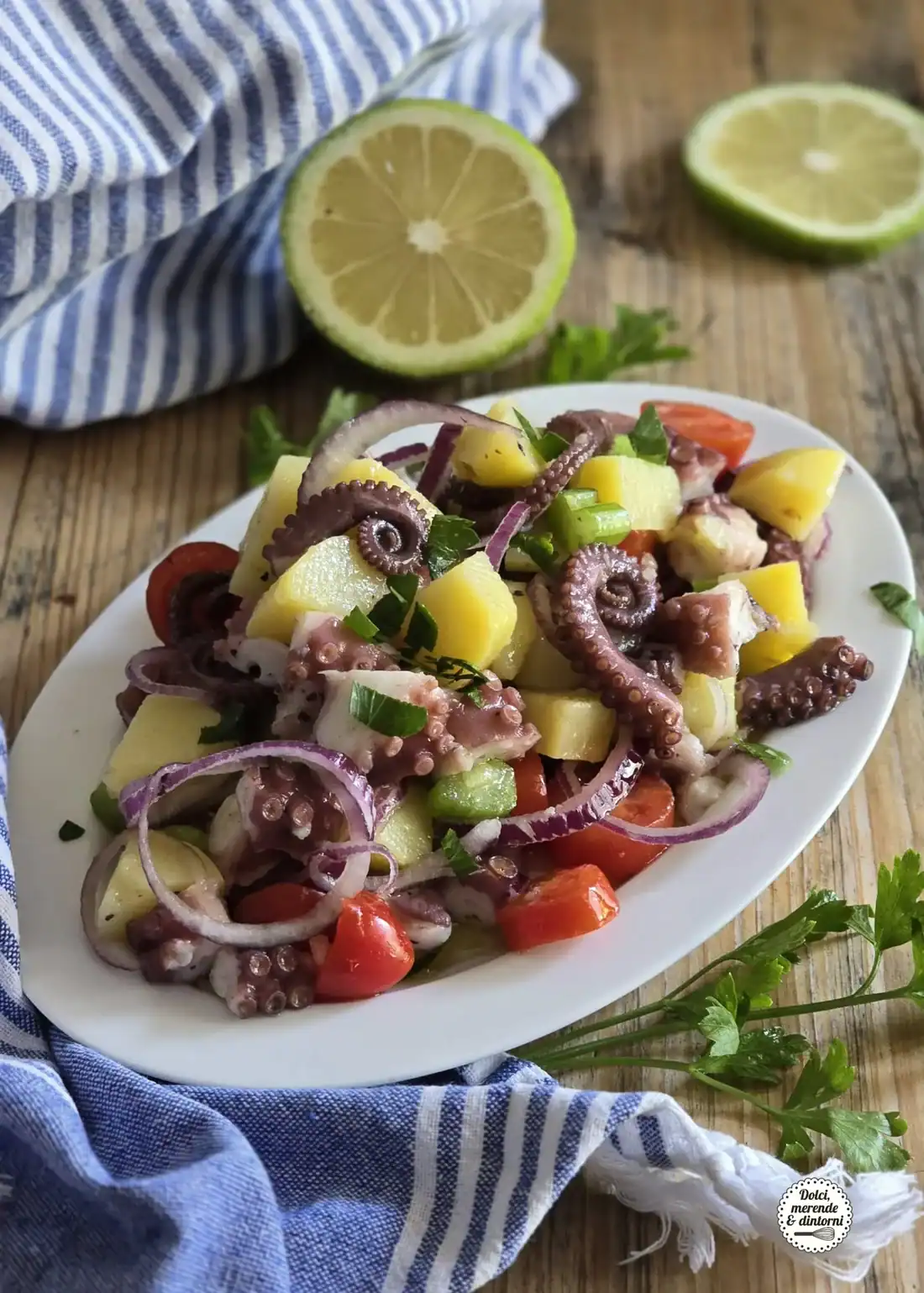
Polpo (octopus) is abundant all around the Italian peninsula, particularly along the Adriatic Coast. But octopi can be found just 20 miles from Rome in the Tyrrhenian Sea. Fishermen bait giant traps and clay pots and wait for octopi to crawl in them.
Octopus is part of my steady diet and I love polpo e patate (octopus and potatoes). I can buy octopus at my local public market. I slice them up into small pieces, boil some potatoes and mix it with olive oil, lemon juice and garlic. I sprinkle it with parsley and serve it cold.
It’s excellent with a light white wine like Vermentino or Falanghina.
Prosciutto e melone
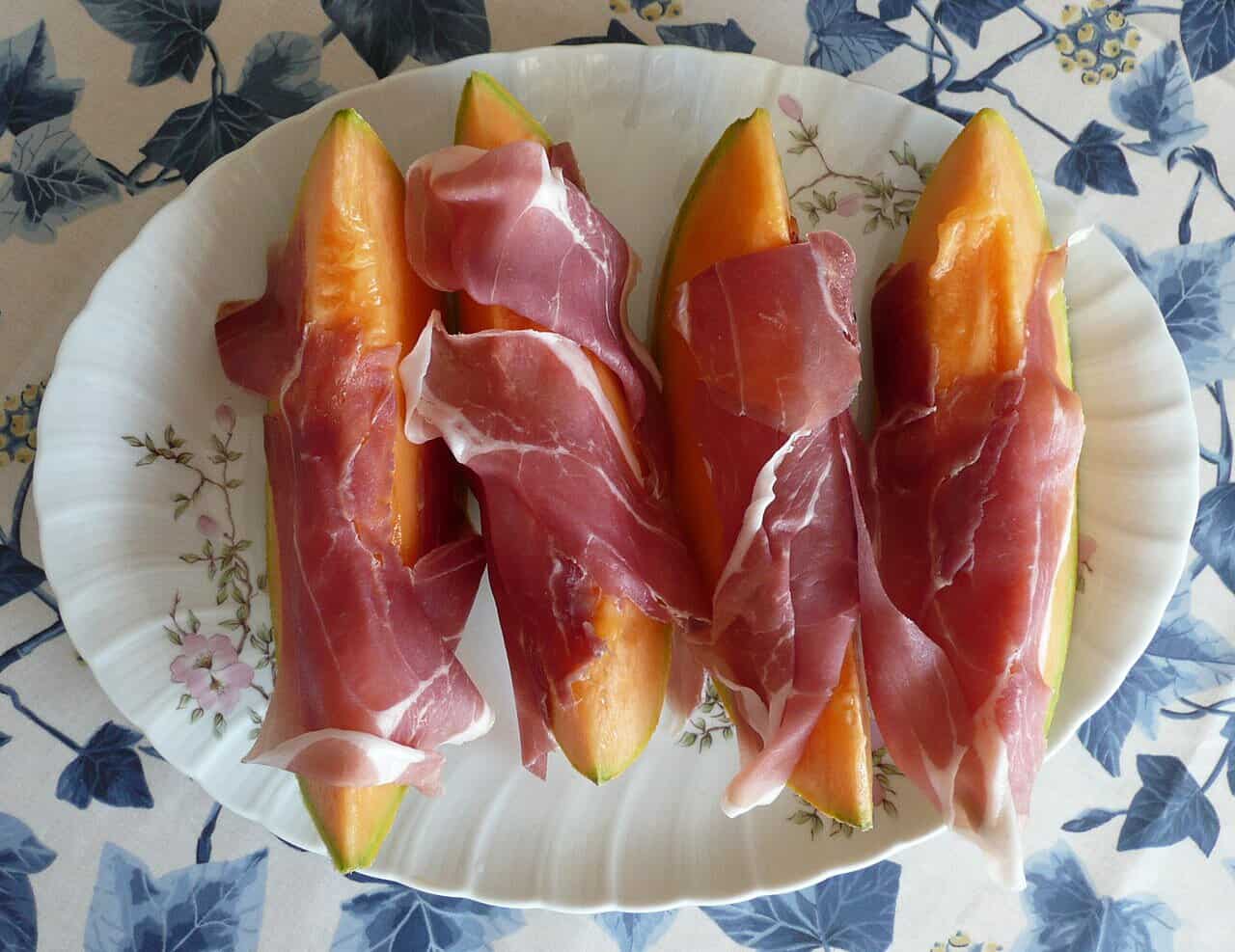
The combination of prosciutto and cantaloupe has been around since Ancient Rome where the people felt the sweet melon balanced their salt-heavy diet to aid digestion.
It became especially popular in the Central Italy region of Emilia-Romagna where Parma ham is one of the best antipastis in Italy.
This dish takes about 30 seconds. I go to my deli and get Parma ham sliced thin, spread it out on a plate and plop a big quarter slice of cold melon – always cold – in the middle. The salt and sweet is a wonderful combination on a hot day.
Insalata di pasta
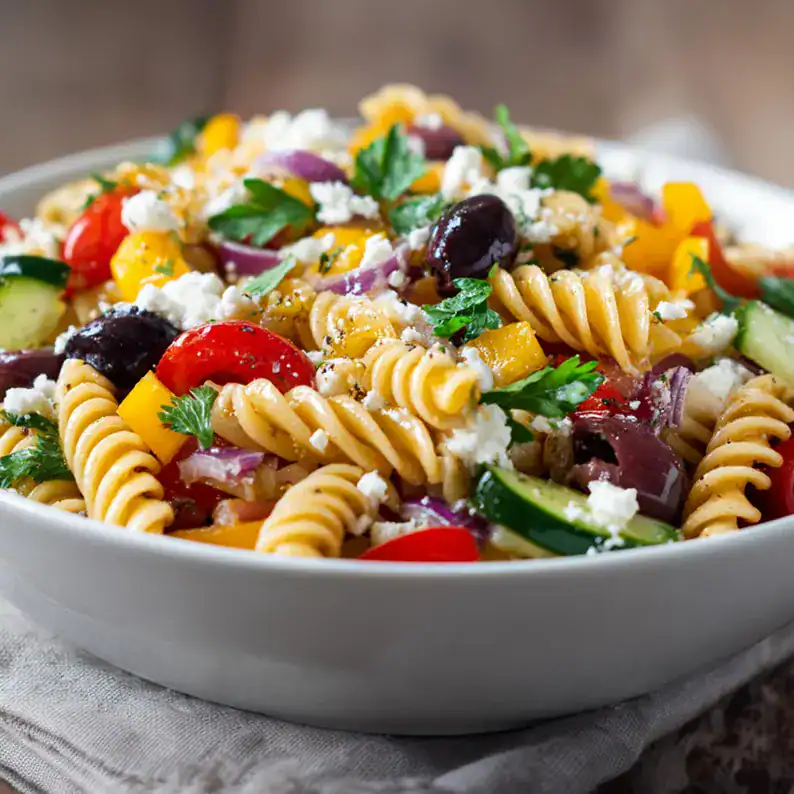
Not far behind in prep time is the classic cold pasta salad. I have become quite addicted to this lately as it’s regularly featured at Franz, my little Italian diner around the corner from me.
Boil any short pasta. I prefer fusilli (twisty), farfalle (butterfly) or penne (short tube), I chop up cherry tomatoes, bufala mozzarella, kalamata olives and diced bell peppers. No meat necessary. Just add extra virgin olive oil and mix.
Goes well with a light Pinot Grigio.
Bufala e prosciutto
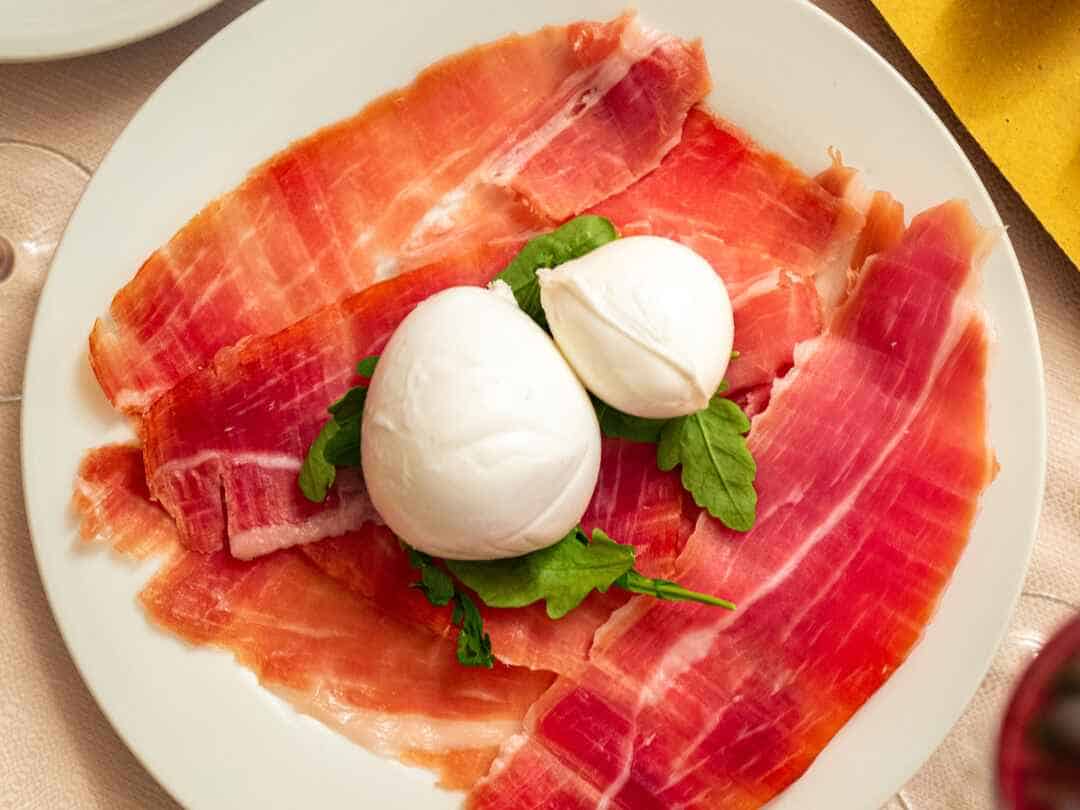
Adding to the long list of prep in seconds, this is a big-flavor dish. Bufala mozzarella is that luscious porcelain-white ball of soft white cheese oozing juices as soon as you slice it with a knife.
Bufala mozzarella comes from water buffalo which, many historians believe, the Normans introduced from the Eastern Mediterranean after they conquered Italy in the 11th century. In the 12th century, bufala mozzarella became so popular, abbeys would give it to visiting pilgrims.
Today, the region of Campania south of Rome’s Lazio is the largest water buffalo area in Europe. Every day massive shipments come from Campania to delis, markets and stores in Rome.
I go to my local alimentari (meat and cheese store), buy a small bag filled with a big bufala ball floating in liquid. I cut it open, take a serrated knife and cut it in half. I plop it in the middle of a plate covered in prosciutto and let the juices soak in the meat.
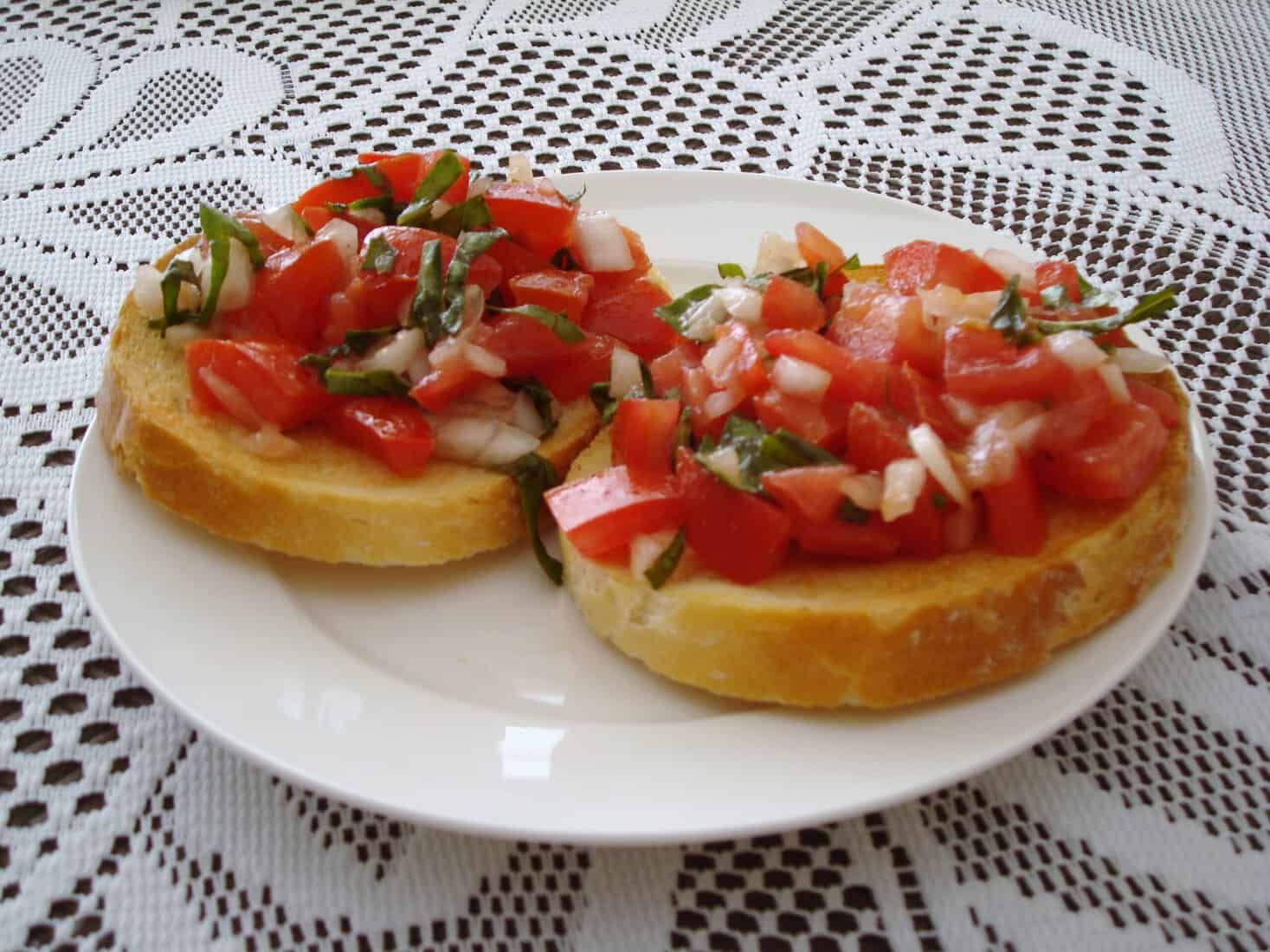
Bruschetta e pomodori
Romans don’t do toast. I’ve never seen a toaster in a Roman kitchen. But they do make bruschetta (pronounced brew-SKET-ta). They take any bread with a firm crust and chewy insides. I prefer Pane Casareccio di Genzano. It comes from the town of Genzano, Lazio’s bread capital about 20 miles (30 kilometers) southeast of Rome.
In 1997, it became the first bread in Europe to receive IGP (Protected Geographical Indication).
Slice the bread and totally soak it in olive oil. Toast it for 5-8 minutes until it’s slightly brown and rub a garlic clove into it. Make a topping of sliced cherry tomatoes, garlic, basil and olive oil.
Pour the mix on the slice and it’s ready to eat. Vermentino is also perfect with this dish.
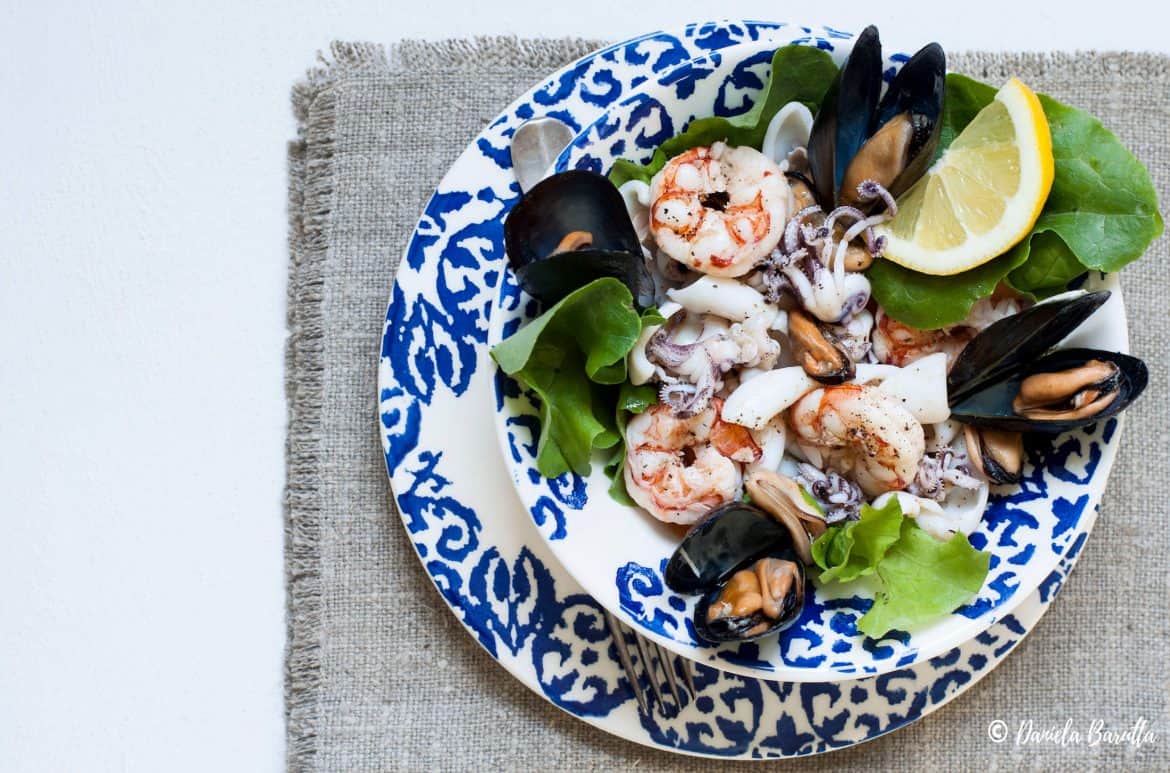
Insalata di mare
In these hot months, I go to the sea a lot. The beach towns of Maccarese and Fregene are only a half hour drive from Rome. Every restaurant on the beach serves insalata di mare, seafood salad. It’s my go-to meal after a morning soaking rays.
They basically take all the spare seafood they have around the kitchen and throw it in a bowl. Picture all of these delectables staring up at you: octopus, calamari, shrimp, mussels, clams. Throw in some capers, a few cherry tomatoes and optional olives, dress it with olive oil and lemon juice and you have a delicious dish that won’t put you in a food coma as you toast in the afternoon.
Verdicchio wine has hints of lemon and goes well with a seafood salad sauce. It’s the standard pairing in Rome with shellfish.
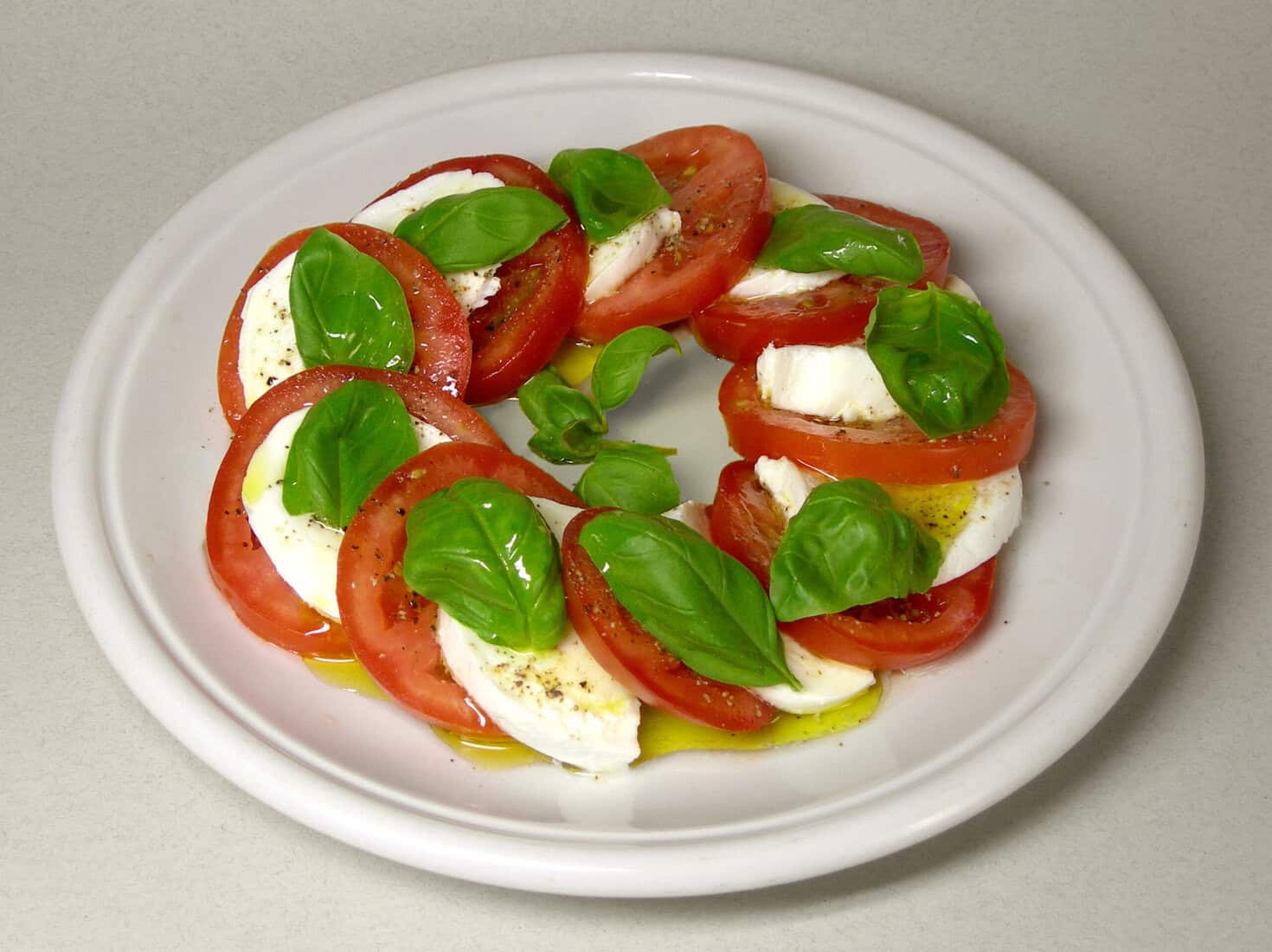
Insalata Caprese
It’s named for the Capri island where it was invented in the 1920s at the Grand Hotel Quisisana. It reached international popularity in the 1950s when it was served to visiting politicians and royalty, such as King Farouk of Egypt.
It may be Italy’s most famous salad. If you don’t believe it, just look at the photo. The red of the tomatoes, white of the mozzarella and green of the basil represent the Italian flag.
It’s a snap to make. Slice bufala mozzarella and ripe red tomatoes and alternate them on a plate. Place basil leaves atop it, then add salt, olive oil and a little balsamic vinegar. Pair it with a Falanghina, also from Capri’s Campania region.
August 4, 2026 @ 11:14 am
A varint on the Caprese – use a fresh creamy burrata instead of the mozzarella.
August 5, 2026 @ 10:51 am
Yum! I’m inspired