


Cortina Olympics memories: From beauty of the Dolomites to the agony of defeat
CORTINA D’AMPEZZO, Italy – The mountains. The cold. The beauty. The white-hot pressure. The stone-cold failure. Standing in the dark for buses that never come. Standing in paralysis for a train you might miss. Flags of 92 countries. Fans from almost as many.
And who knew they skied in Madagascar?
No sports event creates more memories than the Olympic Games. Not for athletes or fans. Not even for sportswriters like me who’ve seen it all.
These Milan Cortina Winter Olympics are my seventh Games. They’ve filled my brain with more memories than a scrapbook could ever hold. This month’s games are different. They’re spread out over eight cities in Northern Italy, each one harder to get to than the next.
I’m encamped in Cortina d’Ampezzo to cover only two Colorado athletes for Colorado Public Radio: Lindsey Vonn who went to the hospital and Mikaela Shiffrin who’s fighting for redemption.
During and in between races in the historic Tofane, the beautiful massive in the heart of the Dolomites, I collected a few more memories to add. I list them below in no particular order. The biggest one is:
Can the beauty of these Games overshadow the athletes?
Bellezza
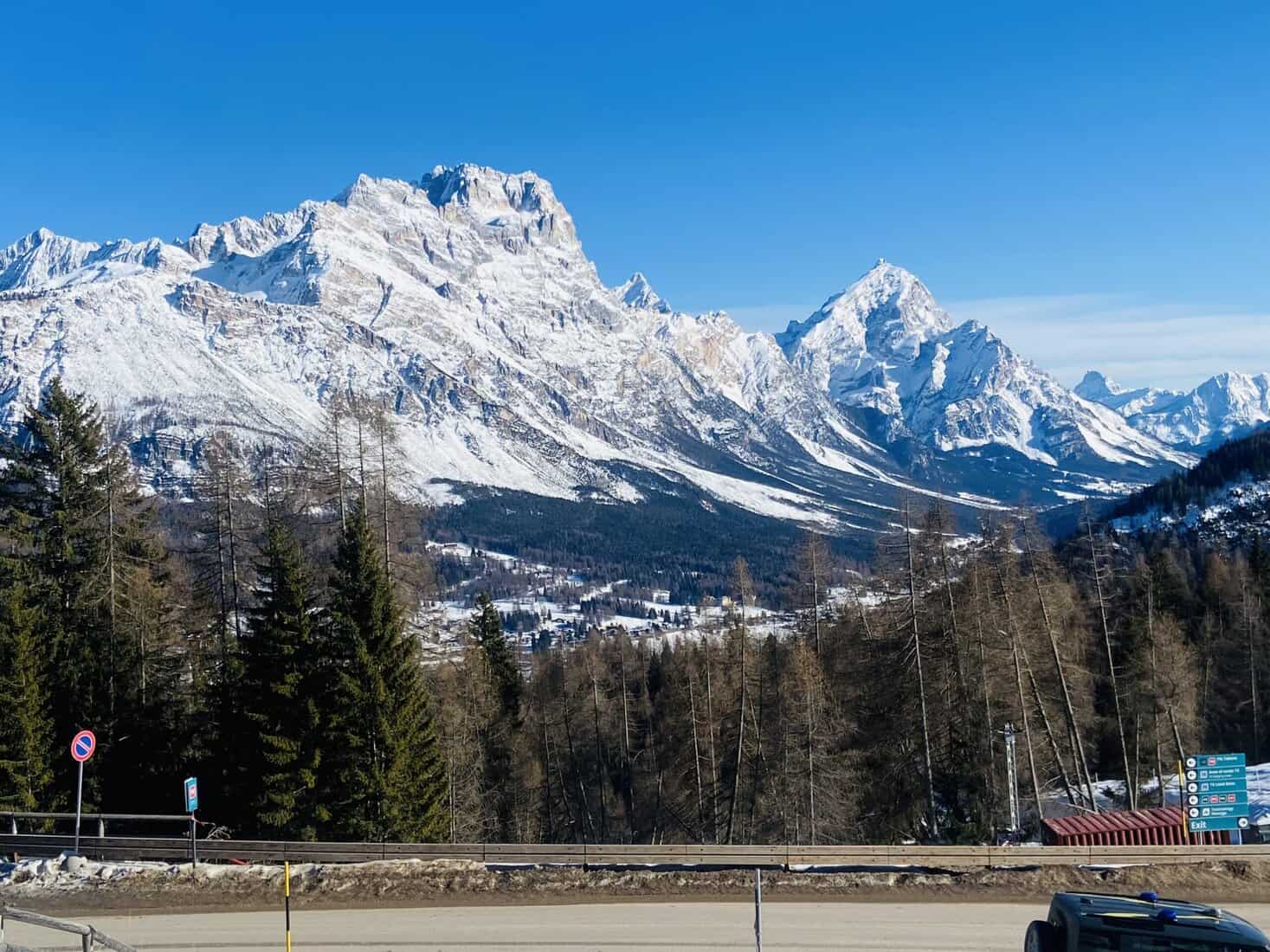
That means “beauty” in Italian and it is everywhere here. The one good thing about standing out in the cold waiting for buses is you can gaze at the spectacular mountain scenery of the Dolomites. (At least during the day.)
I’ve hiked in the Himalayas, Andes and French Alps, the Caucuses and the highlands of Northern Laos. I climbed Kilimanjaro. I lived in Colorado for 23 years.
Few mountains match the majesty of the Dolomites. Their black, jagged points stick into the sky like daggers trying to cut a hole into heaven. Add snow that is still hanging on despite global warming’s best evil efforts, and I found myself staring up so much my neck is sore.
Even the skiers, who’ve been everywhere, gasp at the beauty of their ski hill. On the walkway from the finish line to the press room, we journalists are treated with a spectacular vista of snow-covered mountains speckled with fir trees.
Italian mountain village life
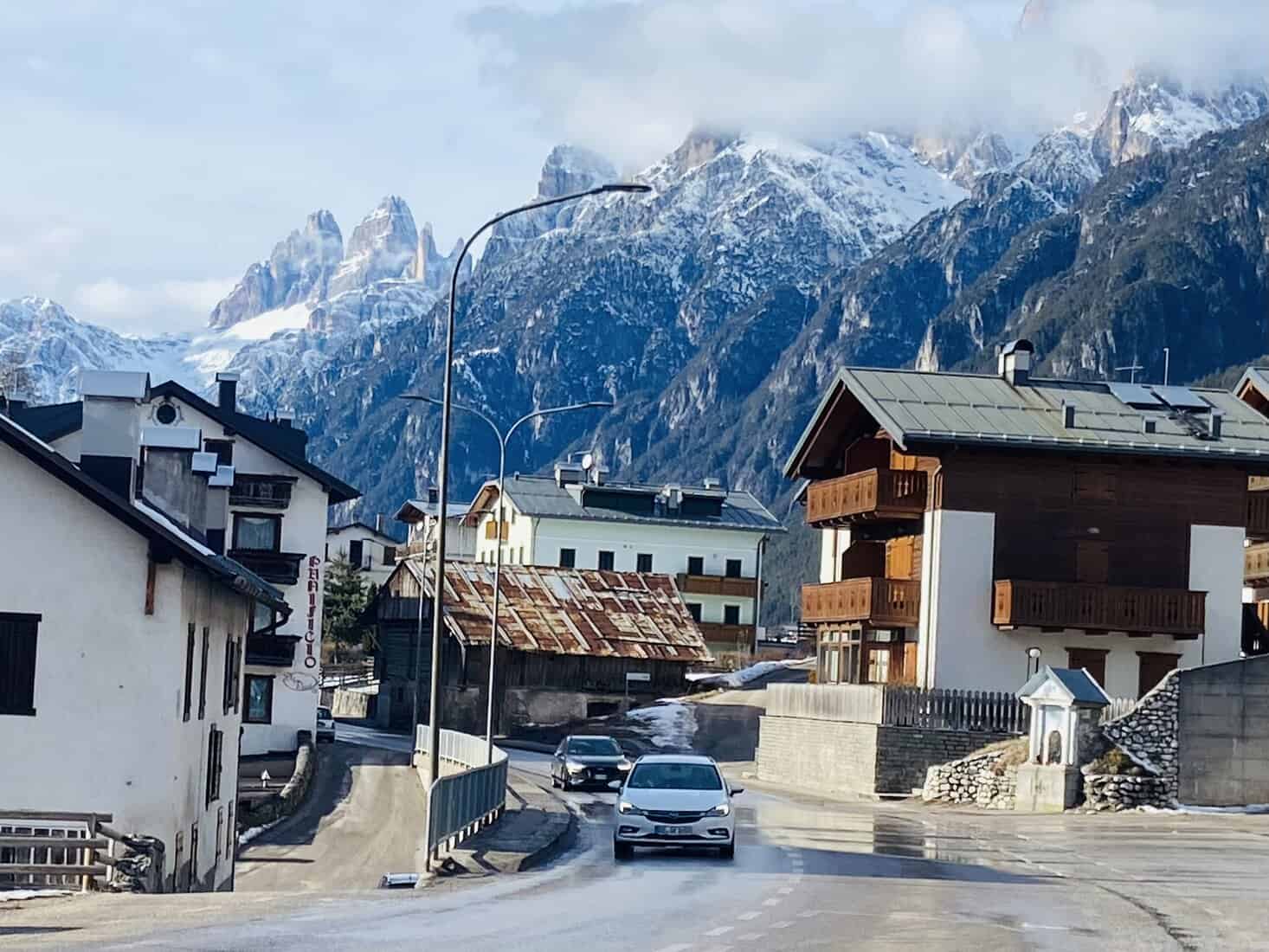
Due to the larcenous €400-plus hotels Cortina d’Ampezzo is charging during the Olympics, I’m staying “down valley” in Auronzo di Cadore. It’s a village of 3,000 people strung out along Lago di Centro Cadore. It’s one of the best places in the Dolomites to view the Tre Cime, the three twin peaks that highlight the zone.
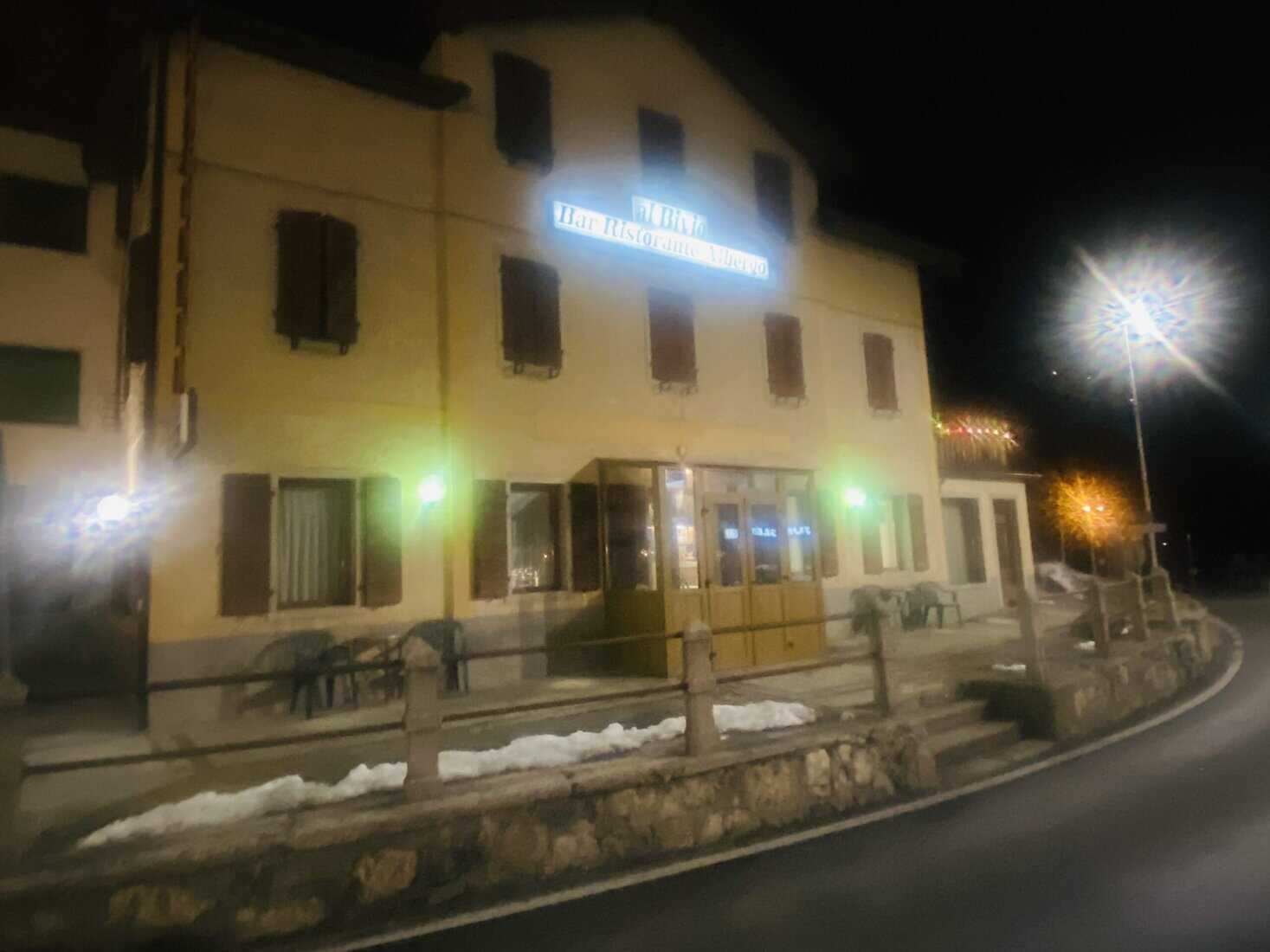
For two nights, I slummed in a €50 room above the Al Bivio bar in Calalzo di Cadore, home of the area’s train station. Having a room above a bar has its advantages. Before going to bed, I drank good, cheap Veneto Cabernet wine and talked to the wizened locals who were born in this area and never left.
Just 30 kilometers east of Cortina, I never saw the Olympic rings.
Valentine’s Day in the Dolomites
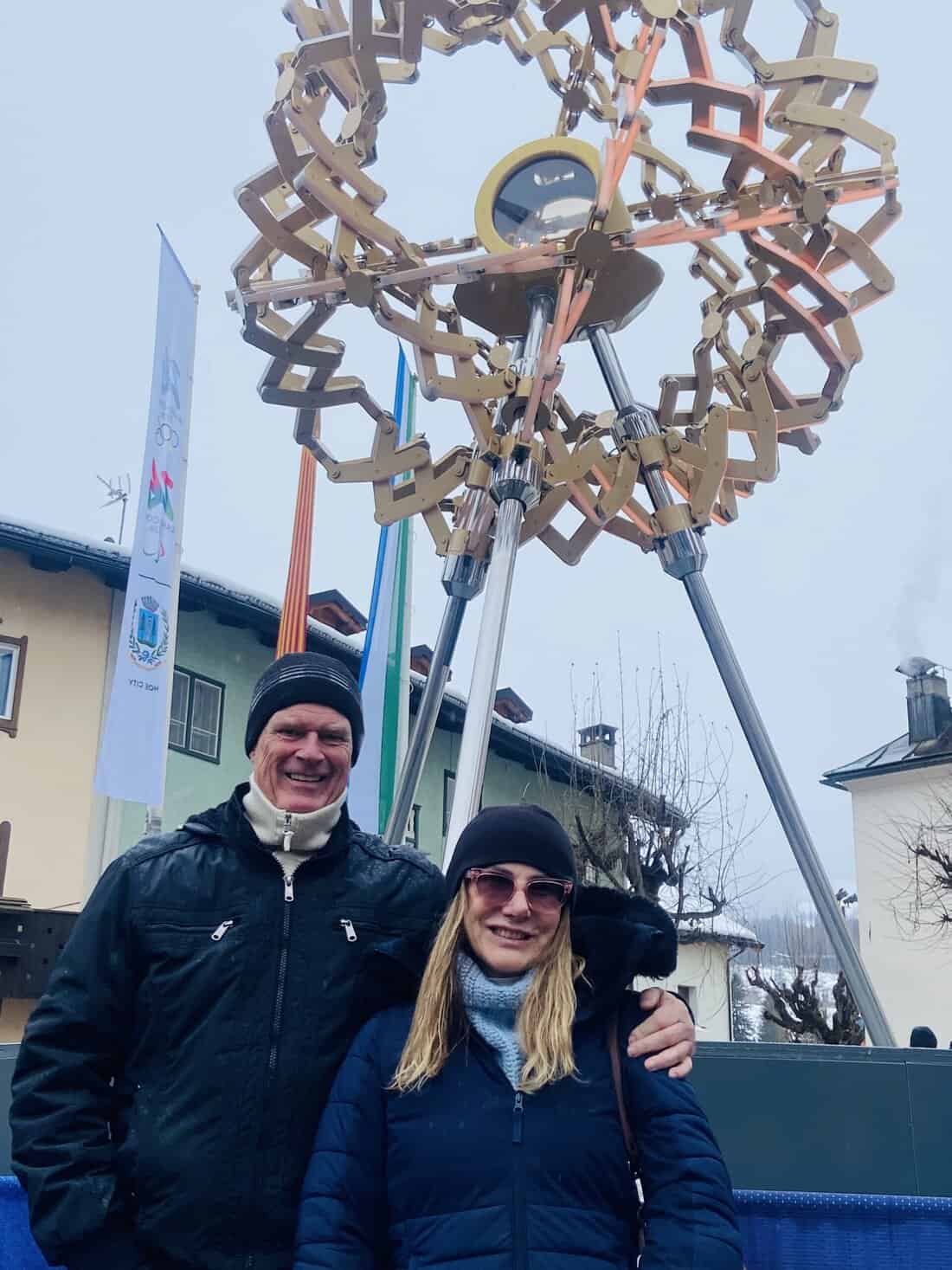
Marina came up for three days over Valentine’s Day. A Roman born and raised, she’d never been to Cortina. Even non-sports fans should experience the Olympic spirit once in their life.
We solved the transportation puzzle to make it to what many friends call the snootiest town in Italy. Yeah, it had its beautiful people wearing clothes worth more than my entire wardrobe. But add regular fans, athletes and officials from dozens of countries, all wearing their countries’ colors and waving their flags, it made Cortina seem like a bustling, friendly sports town.
We posed under the Olympic Flame in Piazza Angelo Dibona. We had tea and coffee at the tony Dal Principe restaurant. We had a pizza, chicken caesar salad and a beer and got fleeced for €68. My welcome to Cortina moment was accentuated when Marina felt nauseous for a few hours from an odd-tasting piece of lettuce she couldn’t quite identify.
But her stomach settled in time for us to make the beautiful walk across a bridge over the lake to Al Tabia’, a cozy agriturismo (farmhouse that serves food to the public). We braved the driveway’s near ice wall to the front door and I had delicious sedanini al ragu di manzo, macaroni-shaped pasta typical of the area in meat sauce.
Dinner and wine for two was only €32. Now that’s the Olympic spirit.
Meeting Tomba La Bomba
In past Olympics, I’d occasionally meet athletes finished with their sports. I’ve met gold medal winners looking decidedly hung over. I’ve met gold medal favorites who looked decidedly suicidal.
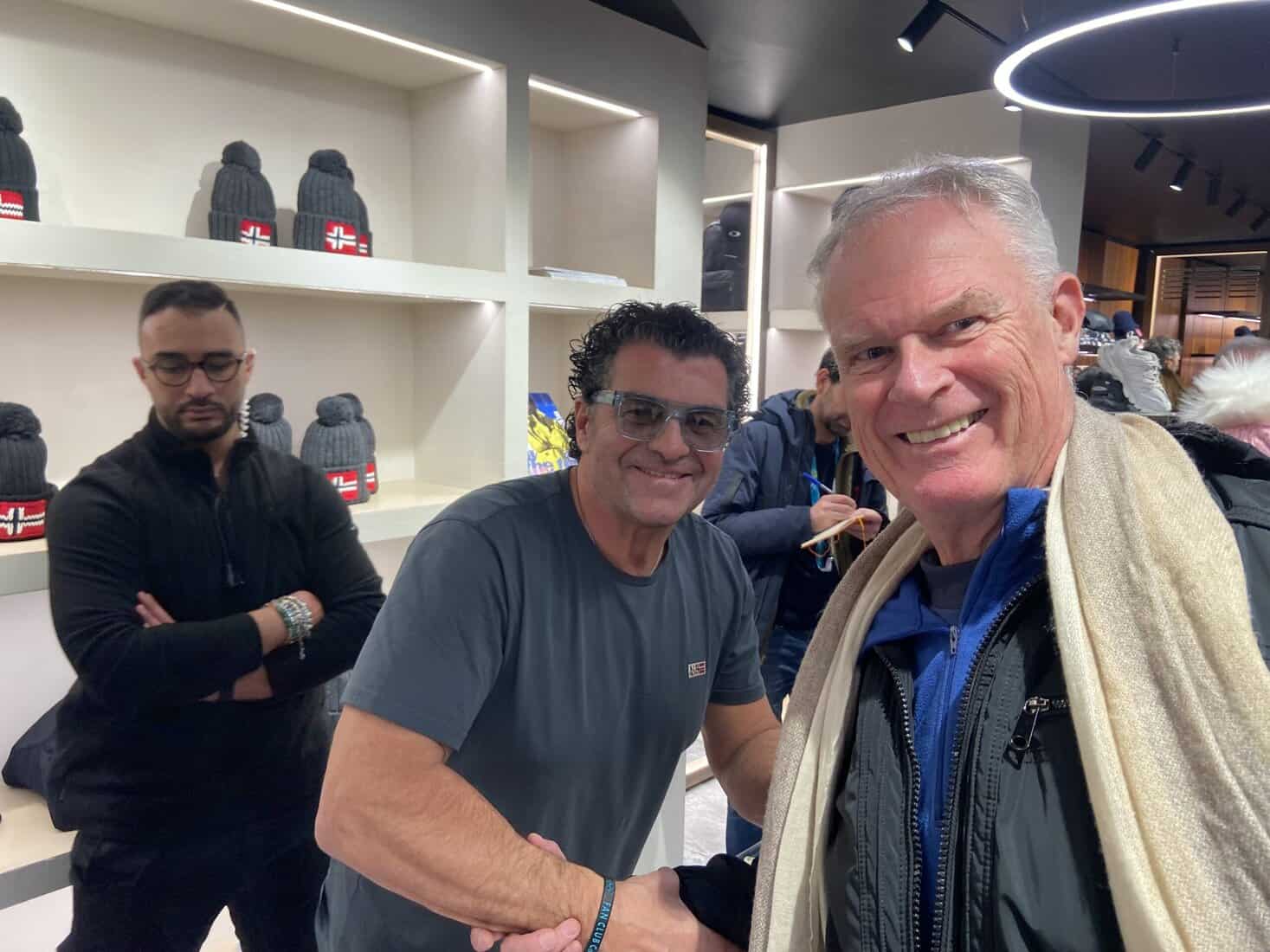
None matched meeting skier Alberto Tomba. He starred in the 1988 and 1992 Olympics, winning three gold medals in slalom for Italy. But he was known less for his skiing prowess than his locomotive libido.
I met him while he signed his skiwear posters at a private party he hosted. After I posted the picture of us shaking hands last week, I got more comments from women than any picture I’ve ever run.
I hate Alberto Tomba.
As I wrote, this guy looks like he could make love to half of Bologna then make spaghetti bolognese.
Olympic pressure
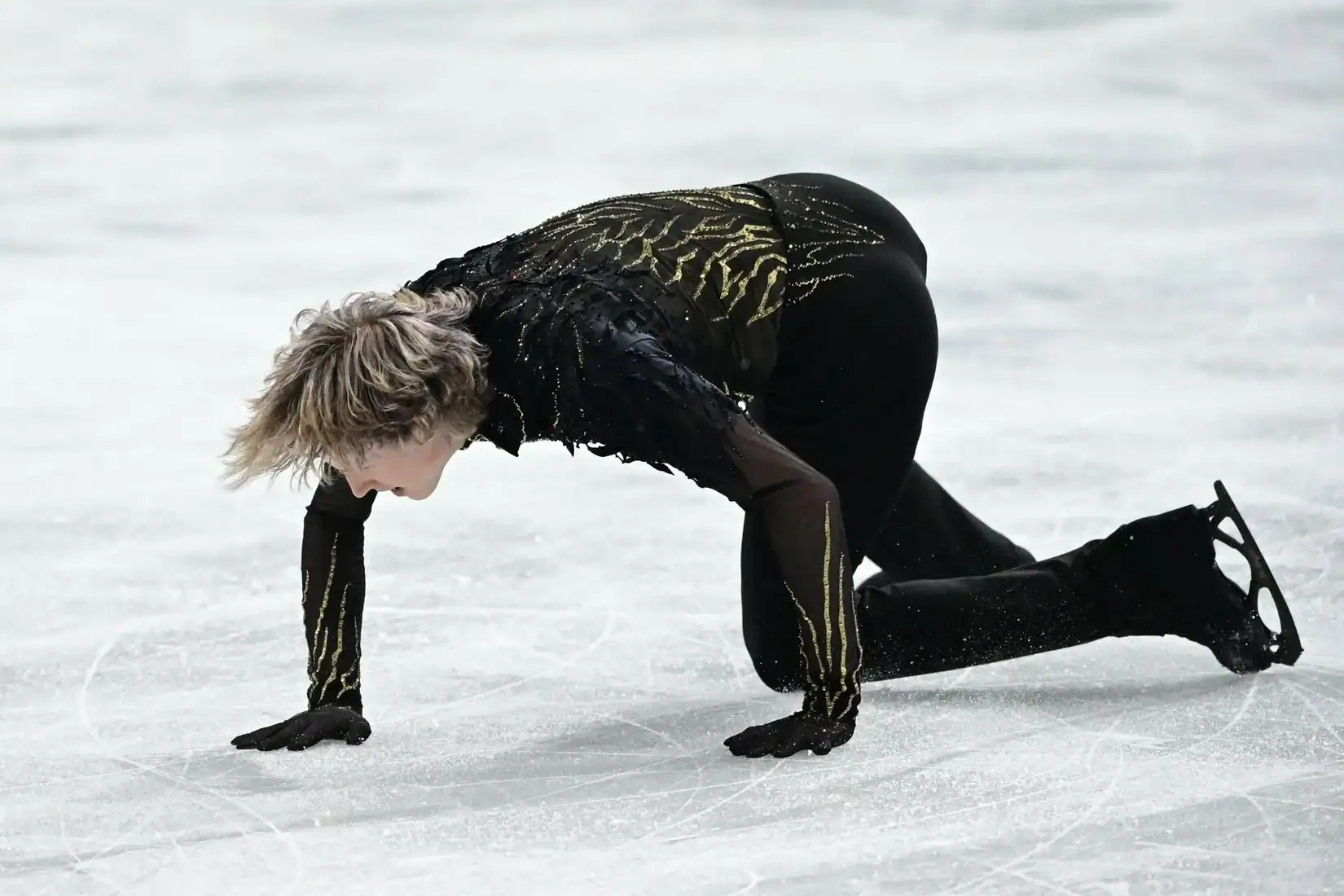
I stayed in our room and watched Ilia Malinin, the 21-year-old self-proclaimed “Quad God” skate into history in Milan. He hadn’t lost a figure skating competition in three years and had a sizable lead going into Friday’s free skate.
Then once he got to center ice, he melted like an ice sculpture in the Sahara. He fell twice, blew countless other jumps and dropped from first to eighth.
The most amazing aspect of the Olympics is the pressure and how certain athletes handle it. Just Sunday, I watched Germany’s Lena Duerr appear ready to take over the lead in the giant slalom with only one skier left. But entering the final portion, she flew awkwardly off a jump, costing her just enough fractions to drop her to ninth.
On Wednesday, no Olympic athlete may have more pressure than American skier Mikaela Shiffrin. The all-time World Cup slalom winner, former Olympic gold medalist and winner of seven of eight slalom races this season, goes for another gold in slalom.
This comes four years after flopping in the Beijing Olympics and eight days after her slow slalom cost her team combined a medal.
My biggest pressure here is getting on a bus.
Speaking of which …
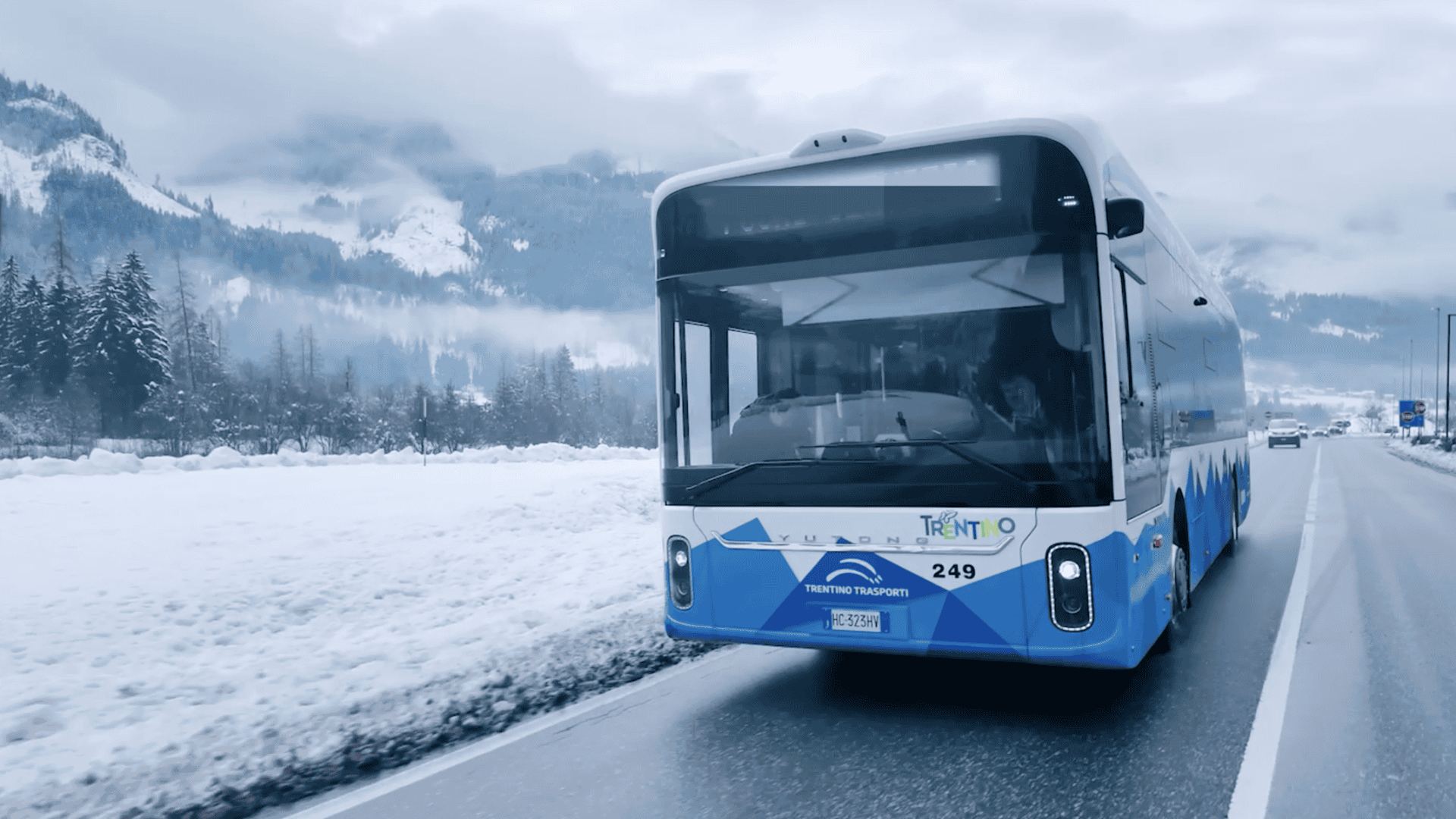
No Olympics I’ve attended have had worse transportation problems than in Cortina. Putting Italians in charge of transportation is like putting Saudis in charge of a pub crawl. You can’t get anywhere.
Twice I waited nearly an hour in sub-freezing temperatures at night waiting for buses. I’ve met journalists standing in the middle of Cortina waiting even longer. A Barcelona journalist at my hotel left Monday morning for Milan. It will take him nine hours to travel the 200 miles (370 kilometers).
The public buses are even more confusing. Monday morning I got Marina to our bus stop for the bus to Calalzo’s train station. The bus arrived on time and I asked the driver to confirm the trip to Calalzo.
Nope.
It’s a three-day holiday for Carnevale. He wasn’t going that far. Lucia, the kind co-owner of our Hotel Miravalle, gave us numbers of six different taxi drivers. None was available. Panicking, I tried hitchhiking. Even with a beautiful woman at my side, no one stopped.
But Lucia came to the rescue. She had Bruno, her husband, drive us down for a well-worth €30. And I thought Rome’s bus strikes were a hassle.
Worst spectator sport in world
At the Salt Lake City Games in 2002, I covered the sliding sports: luge, skeleton and bobsled. It’s bad enough to cover as a sportswriter. You’re standing at the finish line in the freezing cold late at night and interviewing sliders and bobsled pilots shivering as much as you.
Watching it as a spectator is worse.
I joined thousands of spectators jostling on this snow-covered hill where we could only glimpse the women’s luge doubles one or two seconds at a time. Watching a falling comet is easier.
But I did take one viewpoint at a short cement wall not 10 feet from the track. TV does not do justice to a sled going 90 mph. But I kept wondering: Why would anyone do a sport where one mistake could cause quadriplegia?
At the pizzeria in Cortina, we shared a table with a former American skeleton racer. She said the natural curvature of the walls make it quite safe.
Then maybe Cortina should replace buses with bobsleds.

Madagascar skier
Actually, they don’t ski in Madagascar. Still, seeing a skier from the large African island listed on the giant slalom start list caught my attention. Mialitiana Clerc was born in Madagascar but a French family adopted her at the age of 1 and she grew up in Haute-Savoie, a department in the Alps of Eastern France. In her third Olympics, she finished 50th.
Eyeglass crazy
Some places I’ve been to in the world specialize in certain health benefits. Tijuana, Mexico, is famous for its inexpensive, excellent dentists. So is Budapest. Rio de Janeiro is famous for its plastic surgery.
But the Cadore zone of the Dolomites is famous for eyeglasses. The nine-mile (17-kilometer) road from Auronzo to Calalzo is lined with eyeglass stores and factories.
The tradition dates to the late 19th century and began booming in 1878 when Angelo Frescura founded the first major spectacle factory in Calalzo. The Luxottica half of EssilorLuxottica, the world’s largest eyewear factory, was founded in Agordo, 40 miles (70 kilometers) to the southwest of Calalzo.
February 17, 2026 @ 3:52 pm
Great job covering another Olympics. Thanks for sharing so much, even with the transportation issues and other difficulties. You certainly captured the endless beauty of the Games. Way to go John!
February 18, 2026 @ 9:30 am
Thanks, Mike. I really appreciate it. It means more coming from an old scribe like you. Some R-J colleagues are having a mini-reunion in March. I’m tempted but it would mean visiting the U.S. and if I meet a Trumpeteer I’ll either be dead or in jail for murder. Besides, if they really can check our cellphone history, I’ll never make it past passport control.
February 18, 2026 @ 2:47 am
As always, great article John. My top 2 bitches in life are Waiting, and Freezing to Death. Glad I’m watching the Games on Peacock. They’re also doing a nice job of viewing the surrounding Dolomites.
February 18, 2026 @ 9:28 am
Thanks, Curt. This morning I woke at 5 and stood in the dark in 2-below weather waiting for a bus that was 15 minutes late. It is freezing here. But better too cold than too hot. Ever get used to the humidity over there?
February 22, 2026 @ 8:34 pm
Nice job John. Your story on Mikaela’s gold medal run was tremendous. Being an Oregon Duck, you make all of us proud! Go Ducks…Go USA!
February 23, 2026 @ 10:20 pm
Thanks, Steve. She’s easy to write about. The biggest challenge with covering her is what quotes you must leave out.