


Day trip in Iraq: During solo journey to Sulaymaniyah I walked in footsteps — and hooves — of the Kurds
(This is the fourth of a five-part series on my recent trip to Turkey and Iraqi Kurdistan.)
SULAYMANIYAH, Iraq – The cab driver stared straight through his windshield with a bored look of a man who’d traveled too far for too many years. I fidgeted in the seat next to him, glancing at his scrunched-up, weather-beaten face waiting for him to breathe.
Normally in a taxi, I don’t pay much attention to cabbies. This was different.
We weren’t moving.
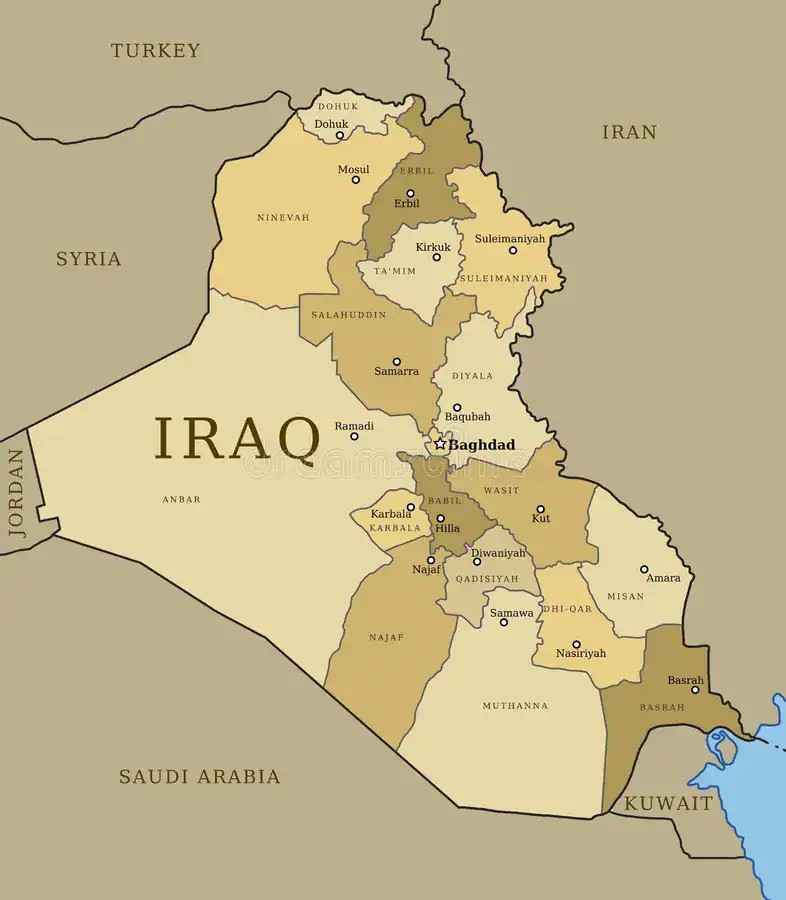
He had stopped in the middle of a highway, in the foothills of Iraq’s northern mountains, waiting for me to finally agree to his larcenous price for driving me 10 miles to Sulaymaniyah, Iraqi Kurdistan’s second city and cultural center.
I didn’t speak; neither did he. We sat there in a “sit off” for two minutes. I contemplated getting out and hitching a ride. But for some reason, hitchhiking in Iraq on a rural highway in 95-degree weather didn’t seem worth the extra €3.33 he was trying to charge me.
Worrying that this thievery could make me later hitchhike back to my hotel in the capital of Erbil 225 miles (350 kilometers) away (Seriously. I explain later), I bitterly said, “OK. Go.”
Welcome to my day trip in Iraq.
Day trips
If you don’t know, for the last 3½ years Marina and I have produced TraveLazio (travelazio.it), a travel website dedicated to day trips from Rome. I love day trips everywhere in the world. It gets you out of the city. You see a less-trodden destination. You learn about the country’s public transportation.
For seven days recently I traveled with my Travelers’ Century Club Mediterranean Chapter, the club of travelers who’ve been to at least 100 countries. The TCC’s annual trips are spectacular. We get great guides. We see all the sites. We eat at the best restaurants.
But my solitary backpacking past is embedded in my DNA. I love being on my own, negotiating travel in the most challenging countries. Guided tours can make you soft. They’re relaxing, almost sanitized. When you travel alone in developing countries, you march or die.
In Sulaymaniyah I survived.
Public transportation in Iraqi Kurdistan, the autonomous, battle-hardened region of northern Iraq, is really cheap. A taxi across Erbil, a city of about 1.6 million people, is $2-$3. The helpful staff at my Erbil View Hotel said the 2½-hour trip to Sulaymaniyah, known locally as Sulay, is 17,000 dinars (about €11).
I had to watch my dinars like a cheap uncle. I was flying back to Rome that night and outside Iraq, dinars are worth no more than Sana-Wipes. ATMs are few. I had just enough dinars to last the day – and four $100 bills. Credit cards are rarely accepted. If I came up short of dinars and had to pay with dollars, I’d get all my change in dinars which won’t buy me a cappuccino in Rome.
I took a taxi from my hotel to Baghdad Garage. It was a Friday, Islam’s holy day, and Erbil’s streets were empty, so different than the bustle of Erbil’s surprisingly lively nightlife. We drove past scruffy warehouses, concrete buildings. Mosques’ minarets stuck into the sky.
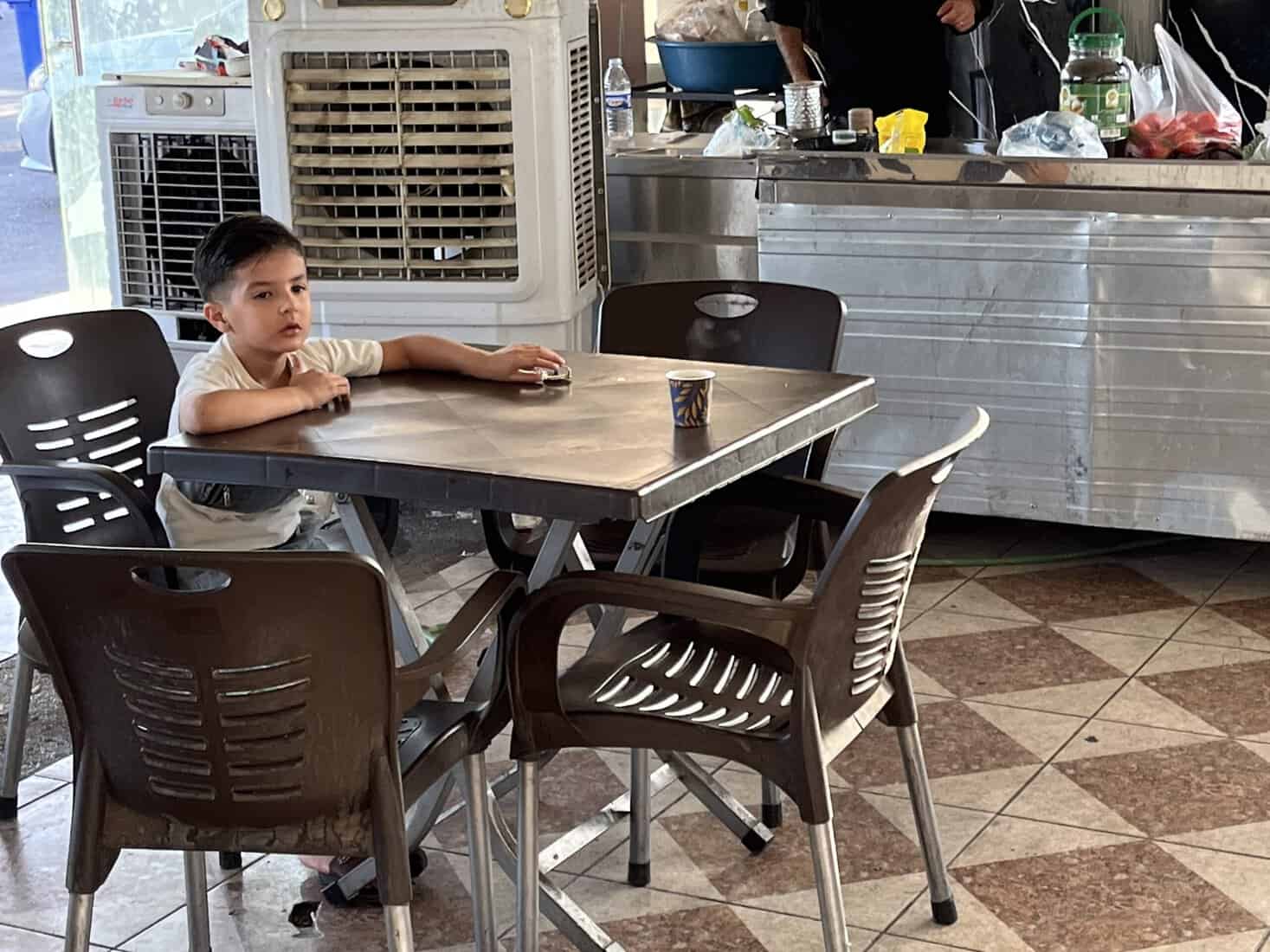
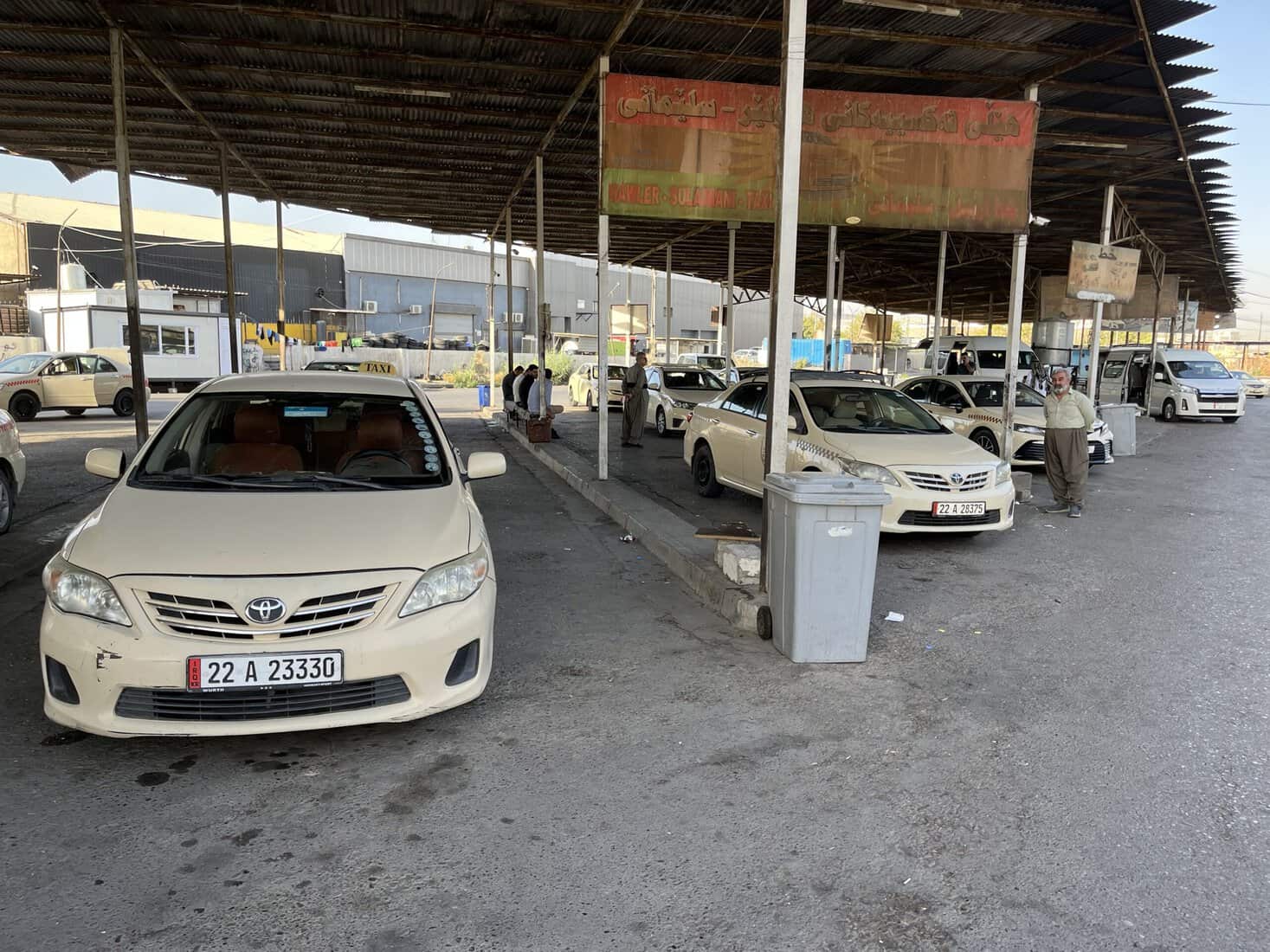
Baghdad Garage is a giant parking lot under a partial wooden roof. The lot is filled with white taxis and vans. A small snack bar sold tea. An old woman in a burqa asked me for money. It was the first beggar I’d seen in Kurdistan all week.
The taxi ride was lovely. Sharing a back seat with two locals, we went past strip malls and an amusement park on Erbil’s outskirts into the pleasant hills of rocky Kurdistan. The road snaked through green fields with the surrounding mountains growing increasingly rugged.
It’s one of those times when you see things you never knew existed that morning and you say to yourself, “Now this is traveling!”
Then again, so are thieving cab drivers.
The Erbil taxi dropped me at the Sulay “terminal” which was essentially the corner of a business park 10 miles out of the city. This is when I met the rat-faced cabbie in a short line of cabs.
I said “Grand Bazaar.” I showed him “10,000 IQD (dinars)” on my notepad. He nodded and away we went. After only a few minutes, he said in broken English, “What you want?” Huh? I repeated, “Grand Bazaar.”
A few minutes later, he said again, “What you want?” as if it was the only English he learned in taxi school. I said Grand Bazaar again and he drove until he found a group of Kurds walking on the road. He pulled over. I’m assuming he asked if anyone spoke English. None did but they somehow communicated that I wanted to go to the Grand Bazaar which is like telling a New York cabbie to go to Times Square.
Strange, I know what the Kurdish word is for “bazaar.”
It’s “bazar.”
Now that’s bizarre. Instead of driving, he took my notepad. He scratched out the 10,000 dinars we agreed upon and wrote 15,000. What? I paid 17,000 for the first taxi ride that lasted 2½ hours.
That’s when the sit off started and I wimped out, kicking myself the rest of the day for not hoofing it. I frantically crunched numbers figuring out if I’d have enough dinars to get back to Erbil and then to the airport.
I had flashbacks to my budget backpacker days when I debated for an hour whether I could afford a beer.
I had enough dinars – as long as I could find Marina a very cheap souvenir and I didn’t eat.
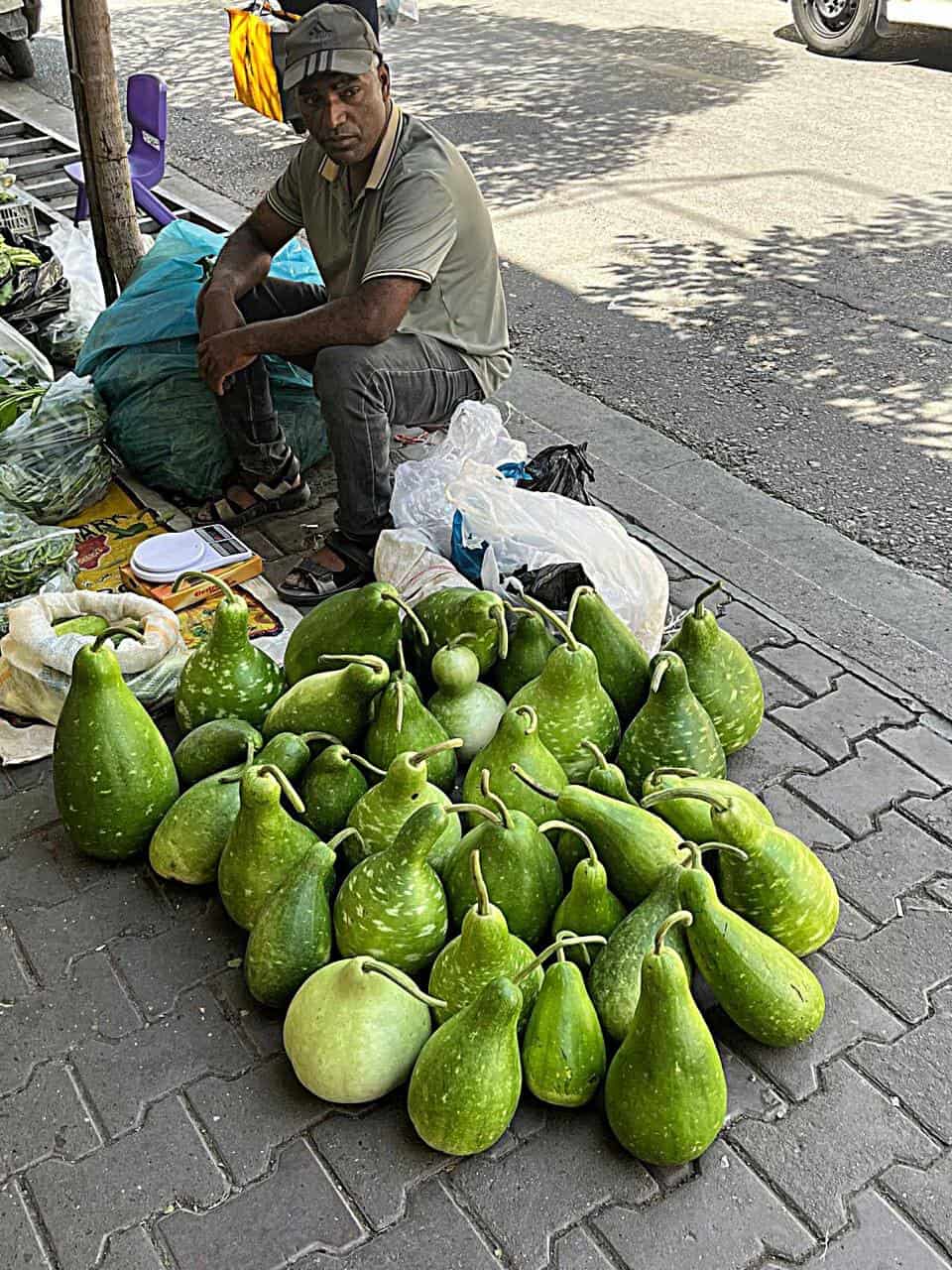
Sulaymaniyah
Ratman dropped me at a corner next to some cheap retail shops and pointed to the bazaar about four blocks away. In my research I learned Sulaymaniyah is Iraqi Kurdistan’s most magical, cultural and, dare I say, romantic city.
Tucked in the mountain basin between the Azmar and Goizha ranges to the northeast and the Baranan Mountains to the south, Sulay for 200 years has been known as the center for Kurdish poetry and literature. It was designated a UNESCO Creative City of Literature in 2019.
The Sulaymaniyah Museum is the largest in the Kurdistan region. Azadi Park is a giant green oasis and the city streets are lined with Kurdish tea houses and modern cafes. Contacts in Erbil say the Sulay Grand Bazaar is better for buying souvenirs than in the capital.
Unfortunately, it was Friday. The museum was closed, and I found no cute tea houses. What I did find was the Grand Bazaar, and it was a raucous den of chaos.
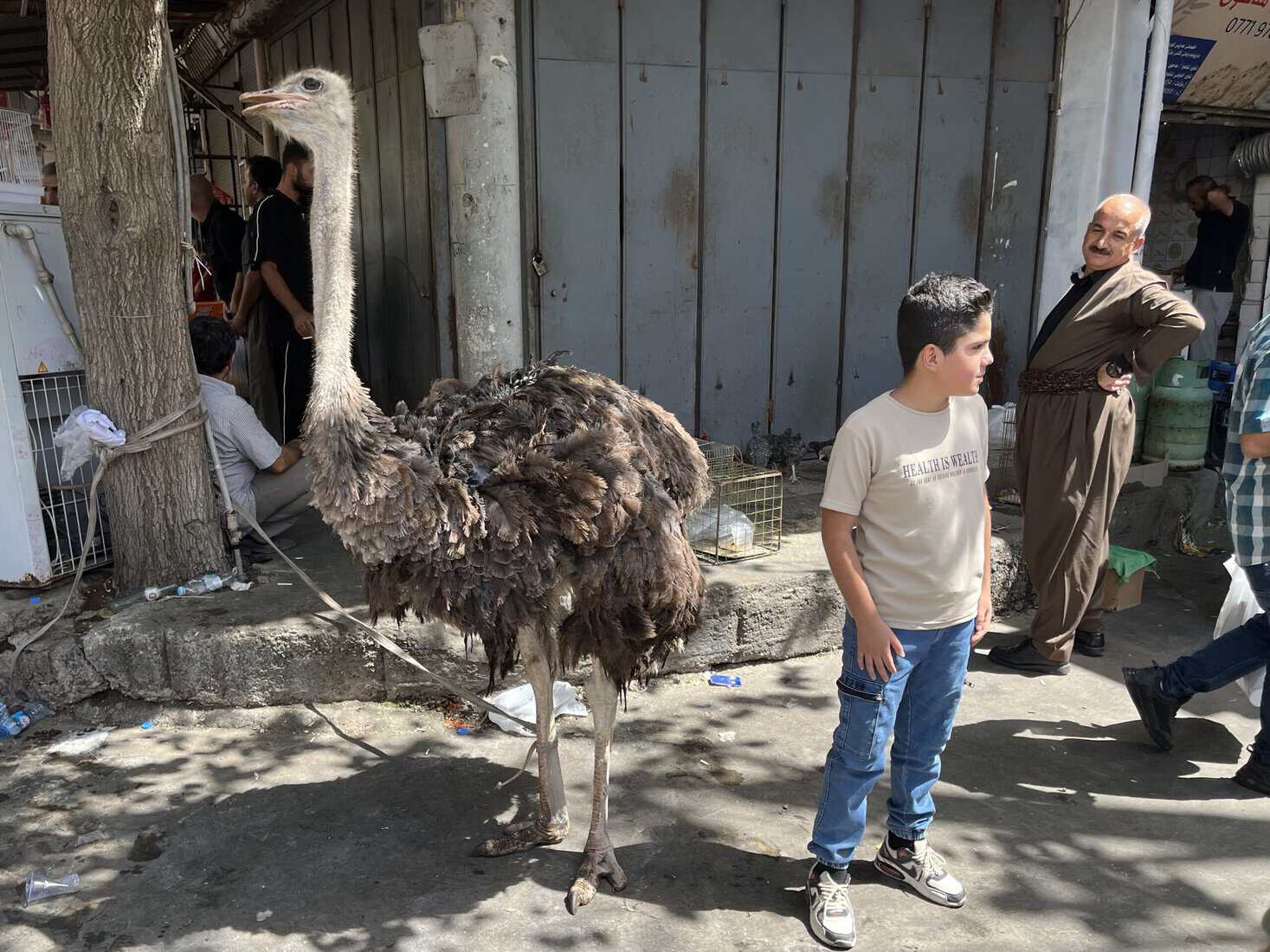
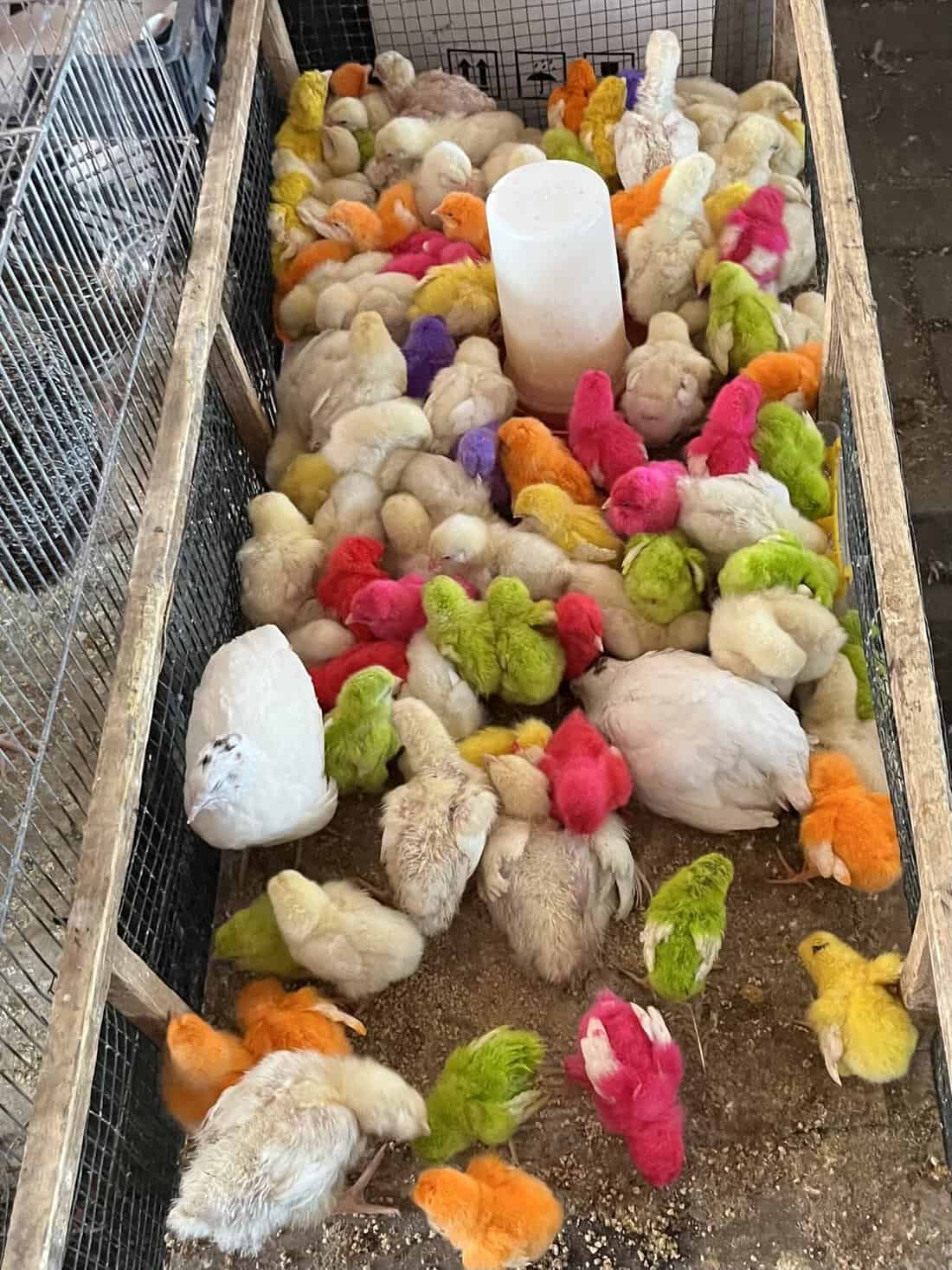
I had stumbled into the live animal supermarket.
From street level, I descended a flight of steel stairs onto a street lined with animals stuffed in pens, which made me think of penitentiary. One basket was filled with baby chicks of every color in the rainbow. Another had geese, another turkeys. A herd of goats stood in the back of a pickup.
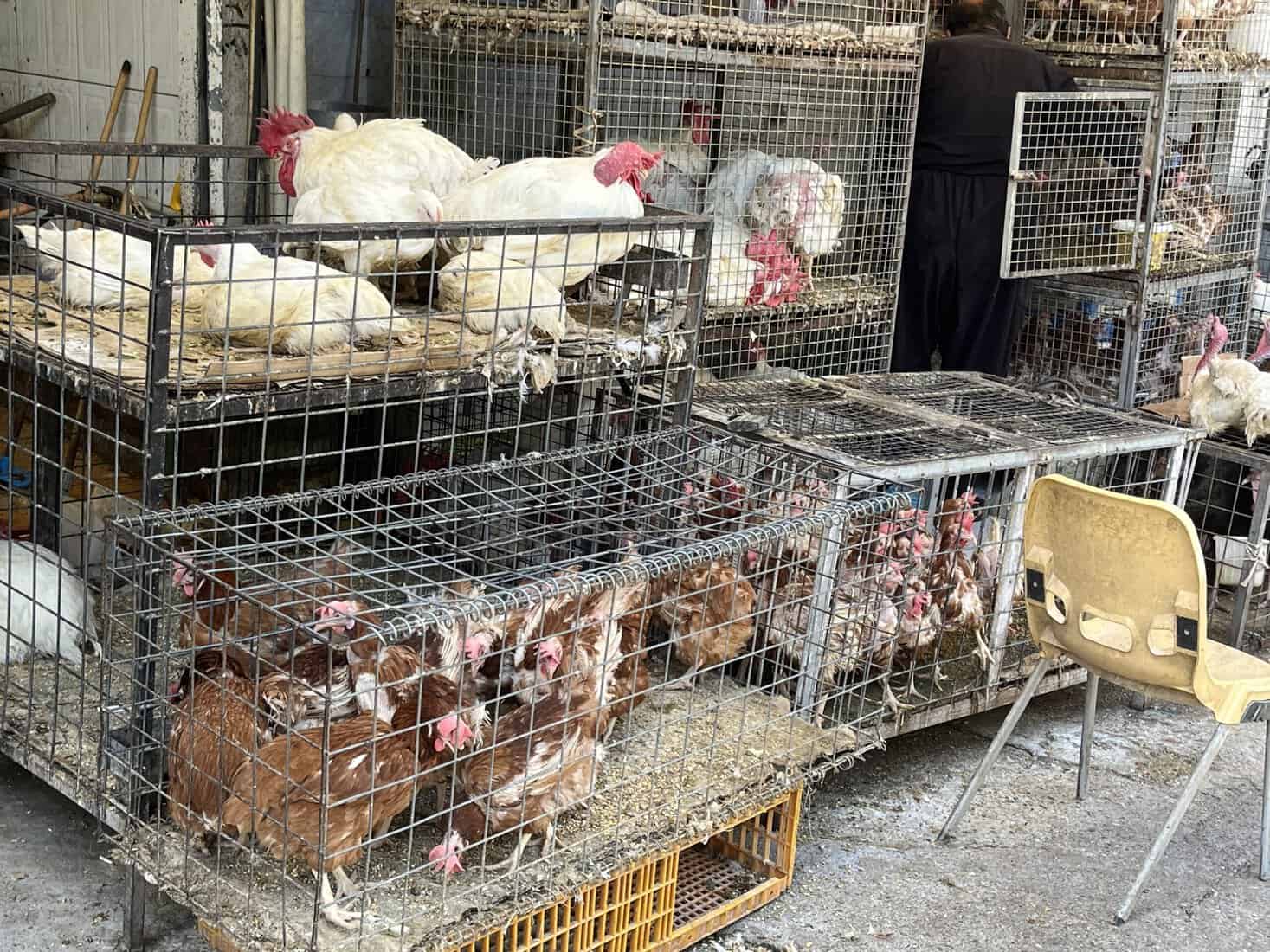
I stepped over a pile of spilled animal guts to see an ostrich – yes, about a five-foot ostrich – standing by itself like it was waiting for a cab.
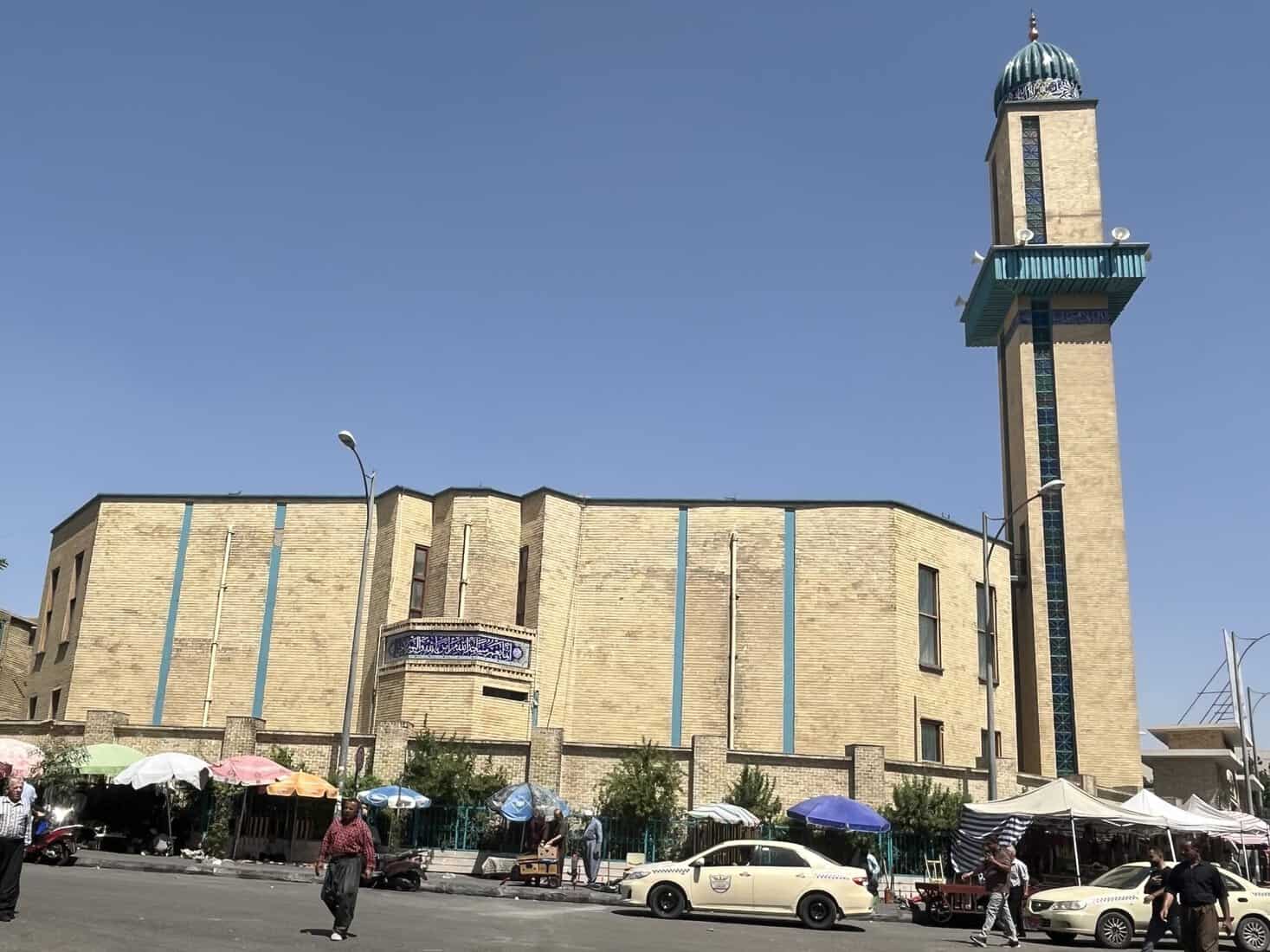
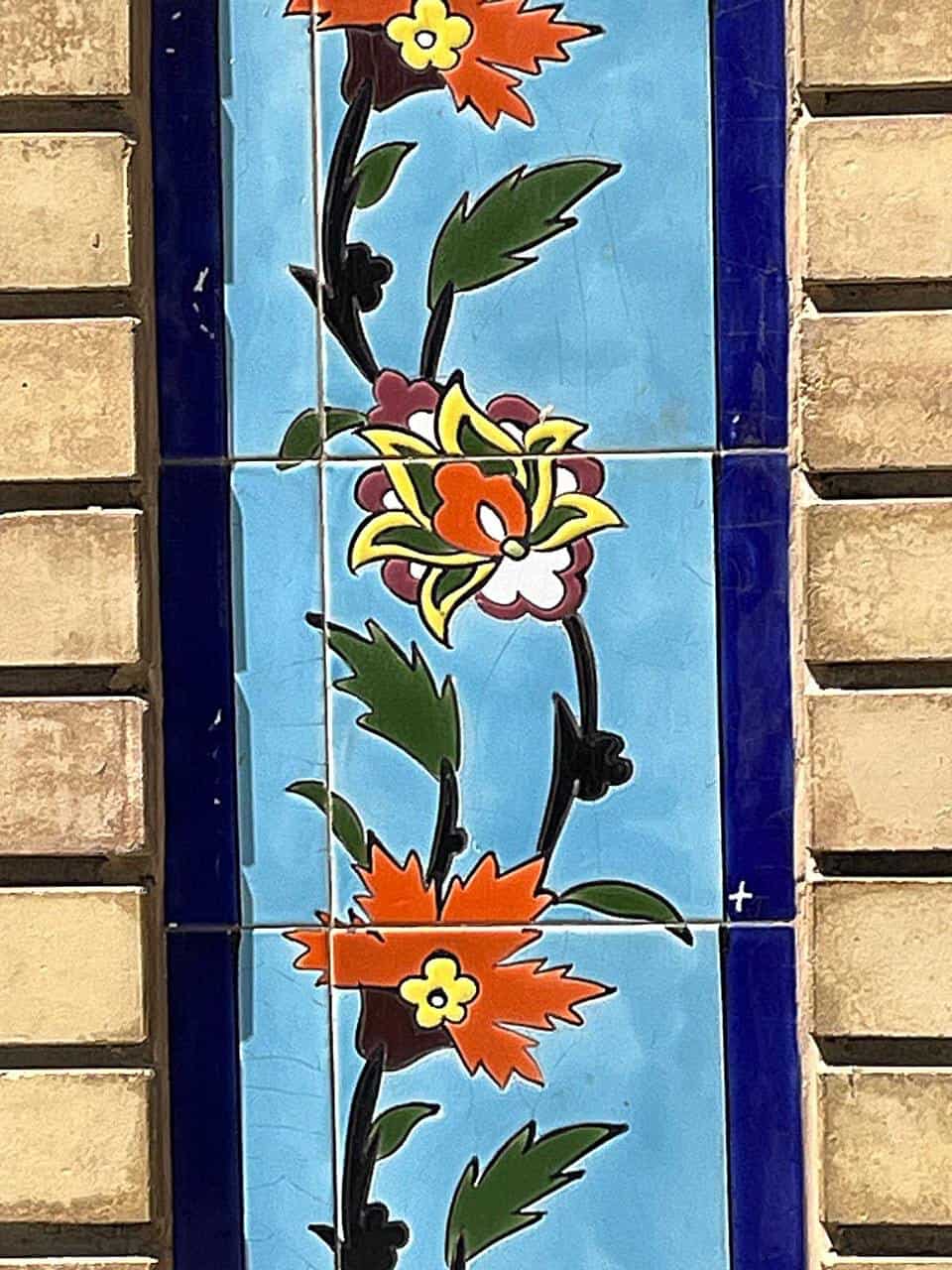
I found solitude in Sulay’s beautiful Great Mosque. Built in 1785, the entrance has three archways framed by two columns lined with beautifully intricate turquoise artwork of flowers. Inside, dozens of men knelt as the muezzin’s call to prayer bellowed into the surrounding streets.
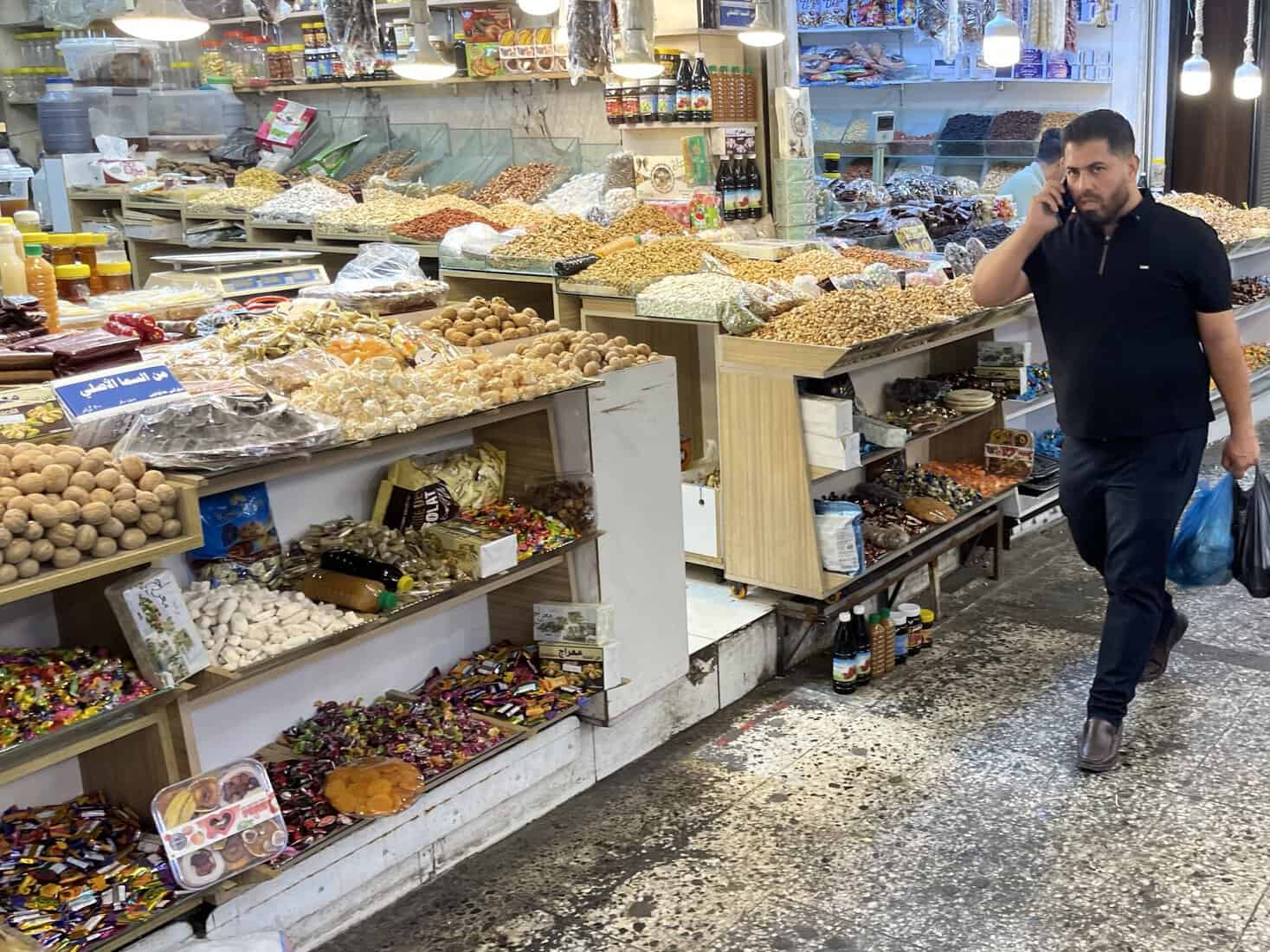
Like the Grand Bazaar in Erbil, Sulay’s Grand Bazaar isn’t very grand. It’s mostly cheap retail goods, overpriced gold after the spike in world prices and sweets. I found nothing worth buying Marina.
Thus, I ate.
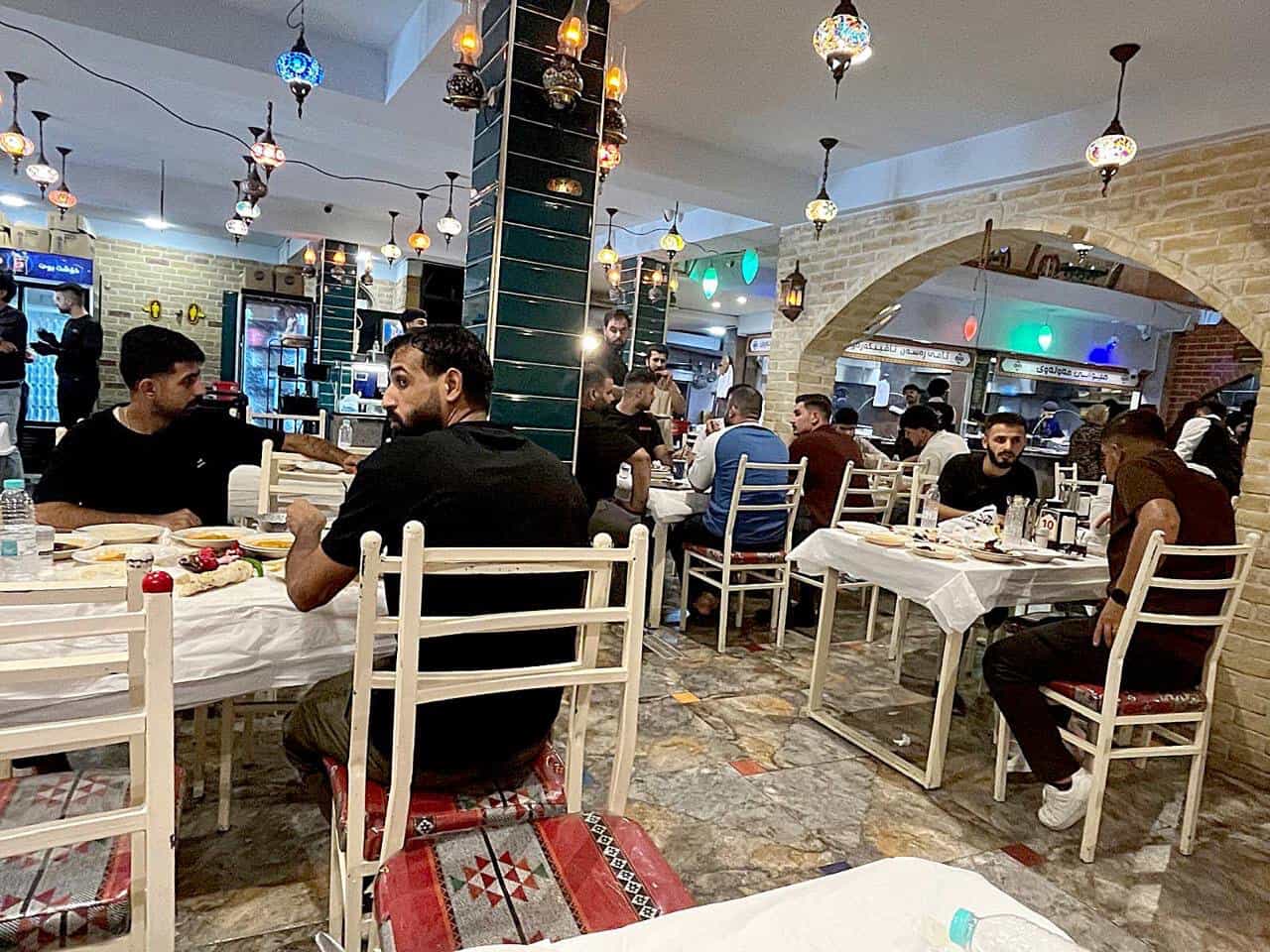
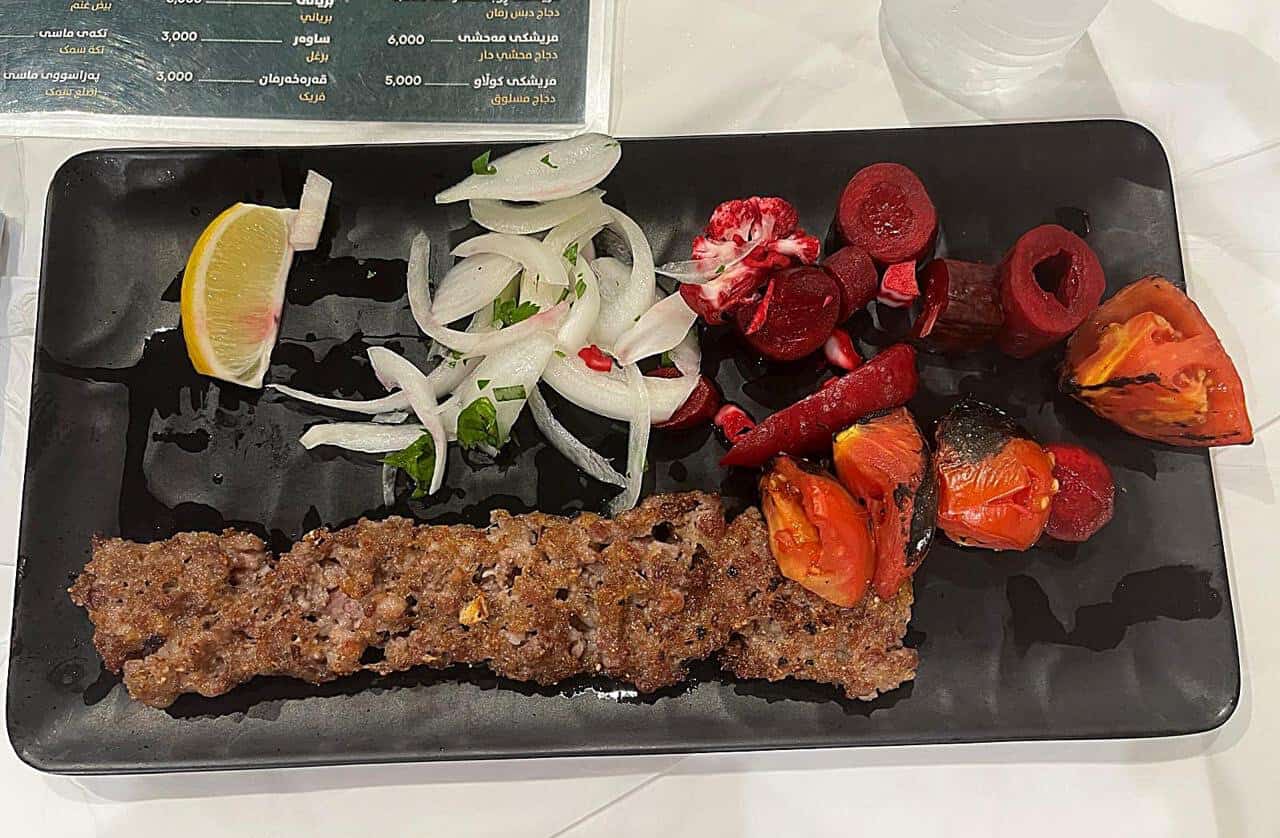
I went into Kebab Sirwan, a large, airy, barebones restaurant where long rows of skewered beef lined the display window. I had two beef kabobs with salad and cooked tomatoes for 6,000 dinars (€4) and wondered where I could actually buy a gift. Christmas was only three months away.
A contact in Erbil connected me with a wise, young Sulay native named Raha Jolla. He told me to check out an art store next to Saddam Hussein’s old tobacco factory. On every city itinerary should be a vicious dictator’s tobacco factory.
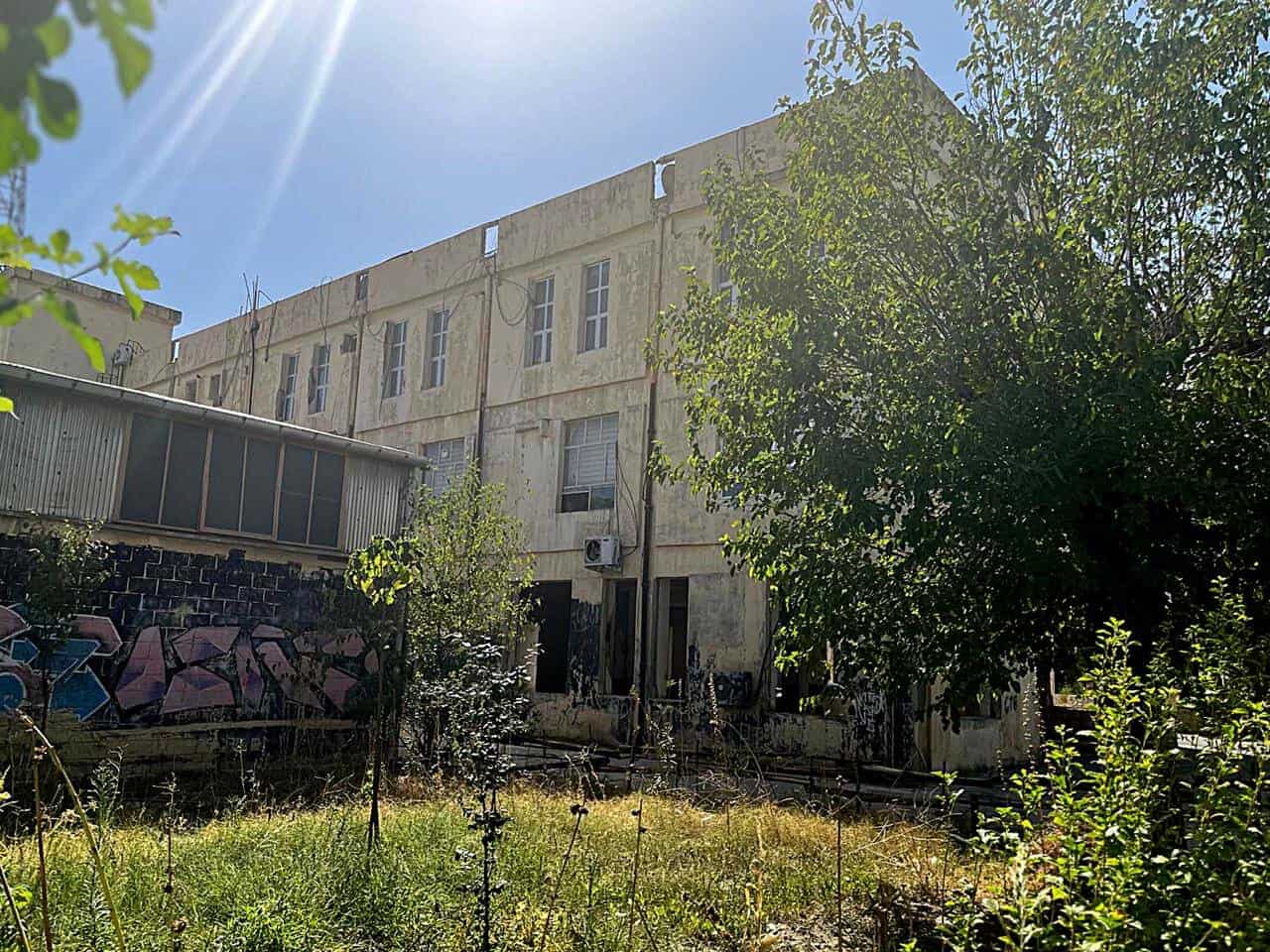
I walked the 15 minutes and the store was closed but a friendly, airy cafe was open. Young people worked on laptops and sipped tea. Wina Cafe felt like one of the thousands of college cafes I hung out in the States. Except it was next to an ugly, abandoned, yellow factory that once produced cigarettes.
I met Hiran Hama, who worked for the local water company and hangs out at Wina. I didn’t find any gifts, but Hiran was a wonderful source to get a pulse of today’s Kurds. I asked her about the beggar I met earlier. How she was the only one I’d met.
Iraqi Kurdistan’s poverty rate of 8.6 percent is less than half the 19.3 percent of the rest of Iraq, known as federal Iraq.
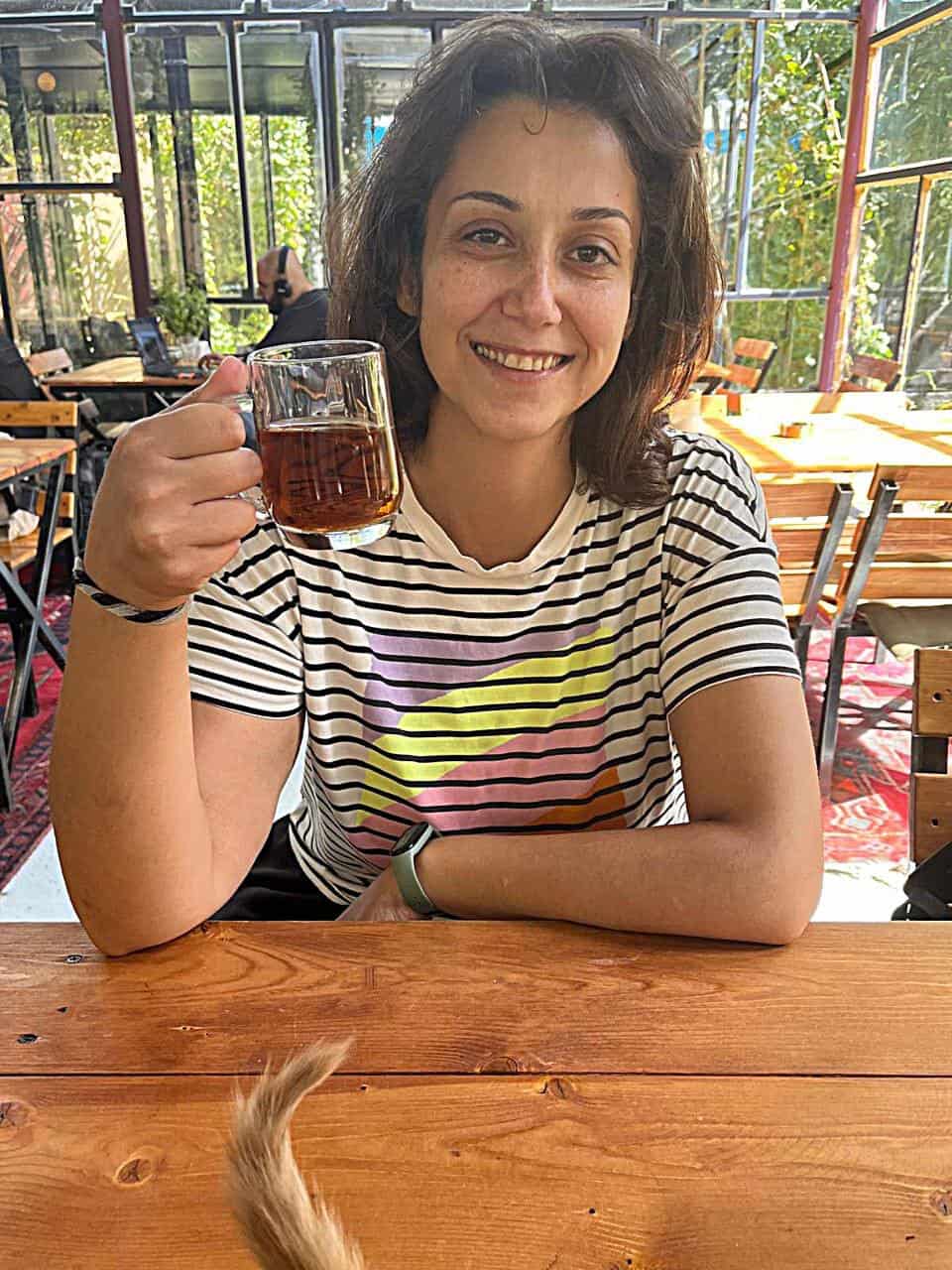
“We do have poor people but we don’t have homeless people,” she said as the cafe’s resident kitten crawled into her arms. “If someone is homeless they’re either addicted or have schizophrenia and their family abandoned them.”
She talked about how the Iran War has made life harder for Kurds just as it has for the rest of the world. Gas prices have skyrocketed. People are losing jobs. For two decades, she said the Kurds were thankful for the U.S. toppling Hussein. We’ve lost a lot of that goodwill.
“With America we have complicated feelings,” she said. “Some people are with them; some people are against them. People are very confused right now.”
The Kurdish aristocrat
I texted Raha and he agreed to meet me for a coffee. It was my fifth day in Kurdistan and starting to get a feel for the state of these tortured people. For more than 100 years, they’ve suffered persecution, discrimination and mass violence.
But the Kurds followed the end of Hussein and ISIS campaigns with new economic growth and prosperity. Tourism and infrastructure are expanding. Kurds are smiling. Even the 1,000 drones and missiles Iran and Iran-backed militias have sent since the Iran War began in February haven’t got them down.
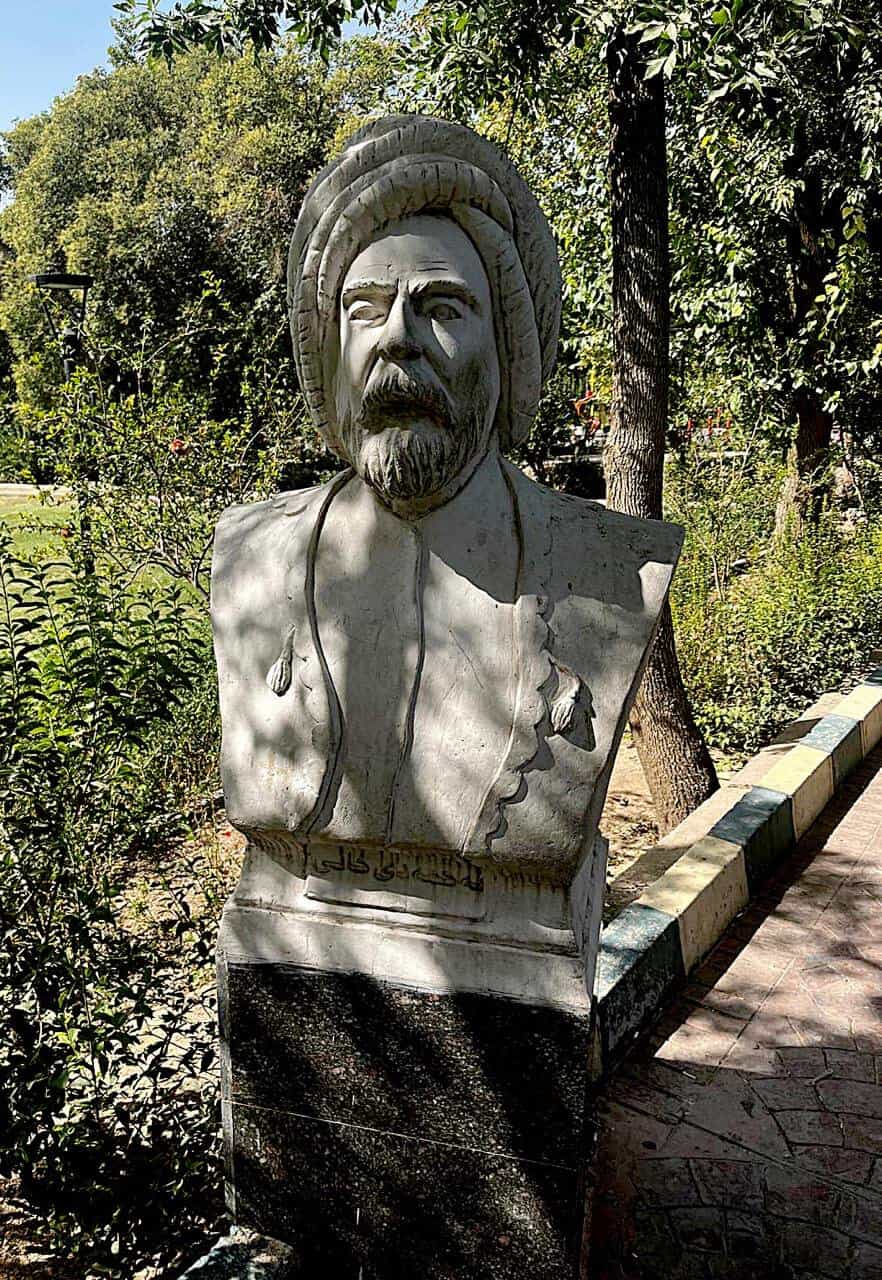
I met Raha in Azadi Park, a 120-acre (50 hectares) park with sidewalks lined with big busts of famous Kurds. People sat in an open-air, shady cafe drinking cold drinks as the temperature hit 100 degrees.
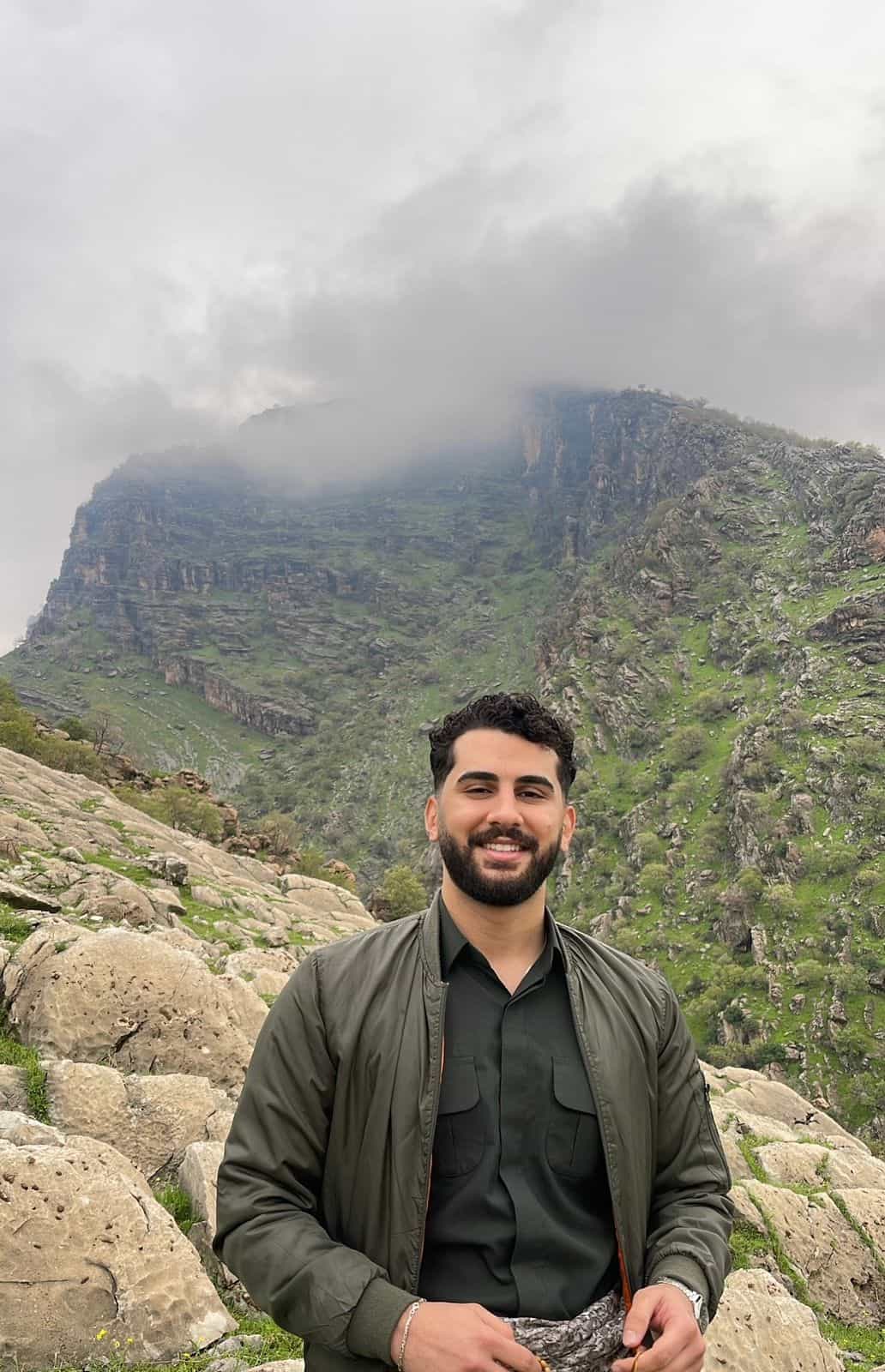
Tall, handsome with seemingly a €100 haircut and neat beard, Raha is a Sulay native who works for HRDiplomacy, a human rights organization. He’s as proud of his city as he is of being Kurdish.
He led me to a tiny shop where I had a creamy, cold pistachio ice drink that made me addicted after two sips. He paid. The incredible kindness of these Kurdish people easily erased one crooked cabby.
“The hospitality here is top notch,” he said. “Kurdish and Sulay especially, hospitality is our specialty. It’s one of the safest, if not the safest, places in the Middle East.”
He talked about the growing tourism in the face of war (I’ll go in depth in next Tuesday’s blog). He said he can already see five-star international hotels going up in Sulay.
“We have loads and loads of potential for tourism,” he said. “There will be really nice resorts.”
Before he dropped me off at a taxi stand, I asked what character has 100 years of oppression built in Kurds.
“It’s in our genes to act with etiquette and respect every race,” he said. “Other races in the Middle East, you can’t really see mutual respect for anyone except themselves. Kurds are a different breed.”
At the same terminal where I was dropped off, a man with a horrific birthmark on his neck wanted 35,000 dinars for a bus back to Erbil, twice what I paid to come. I said 17,000. He wouldn’t budge.
I called Havar, our guide in Erbil. He got on the phone with the man. I paid 12,000. I even had enough money for a midnight meal before my 4:20 a.m. flight.
These are people who’ve been persecuted for more than 100 years?
If you’re thinking of going …
How to get there: Buses and shared taxis leave Erbil’s Baghdad Station when they get filled which is frequently. It’s 17,000 dinars (€11) to the Sulay terminal and another 10,000 (€6.50) by taxi to the city center.
Where to stay: Erbil View Hotel, 52W2 + QHQ Barzany Namr, Erbil, 964-750-797-8888, https://www.erbilviewhotel.com, info@erbilviewhotel.com. Lovely, modern four-star hotel inside Erbil’s second ring outside the city center. Helpful English-speaking staff. Rooms start at €66 including breakfast.
Where to eat: Kebab Sirwan, HC4R + 2MG, Sulaymaniyah, 964-770-152-0633, 7 a.m.-3 p.m. Saturday-Thursday (open Fridays on holidays). On edge of Grand Bazaar, a local favorite for years. Traditional Kurdish dishes, specializing in cheap kebabs. Lunch only. I paid €4 for two kebabs, salad and a soft drink.
When to go: Avoid summer. It was dry but it still hit 100 degrees while I was there the first week of September. October is ideal: highs in high 70s and lows in 50s. It can hit freezing in January.
For more information: Sulaymaniyah General Directorate of Tourism. It is under Kurdistan’s Ministry of Municipalities and Tourism, https://gov.krd/momt-en, media@gov.krd.
(Next Tuesday: Will Iraqi Kurdistan some day be the No. 1 destination in Middle East?)