


Inca Rail or PeruRail? How to choose your train to Machu Picchu
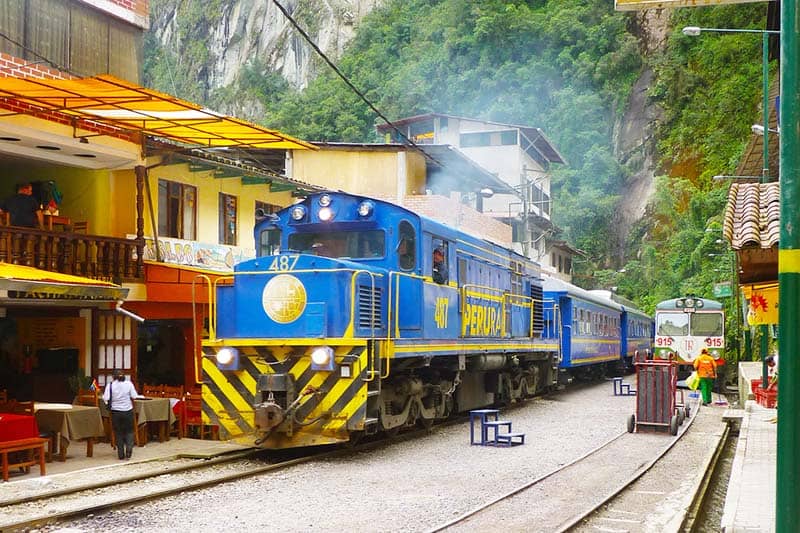
(Director’s note: Machu Picchu is on the bucket list of many travelers. A popular way to reach Peru’s archaeological site is by train. But which one do you choose? Guest blogger Blake Anderson goes in detail on two popular rail lines.)
There are few train journeys where the destination gets as much attention as Machu Picchu. Yet the ride through Peru’s Sacred Valley deserves some attention of its own.
As the train follows the Urubamba River toward Machu Picchu Pueblo, the landscape changes dramatically. Mountains rise beside the tracks, the valley narrows, and the scenery becomes increasingly lush as you approach one of South America’s most famous archaeological sites.
For most travelers planning this journey, one practical question eventually comes up: Which train should I take?
Inca Rail and PeruRail are the two main operators travelers encounter when planning rail travel to Machu Picchu. Both can get you to Machu Picchu Pueblo, also widely known as Aguas Calientes, but they offer different train categories, onboard experiences, schedules and
approaches to the journey. Choosing between them is less about finding one universal “best” train and more about deciding what matters most for your trip.
Your Machu Picchu itinerary
Before comparing seats, windows, food, or onboard entertainment, work backward from your Machu Picchu plans. Your entrance time to the archaeological site, where you’re staying the previous night, and whether you’re visiting Machu Picchu as a day trip can all affect which train makes sense.
Ollantaytambo is an important departure point for travelers heading to Machu Picchu. Located in the Sacred Valley, it’s also worth considering as more than somewhere to board a train. Spending a night there can give you time to explore the town and archaeological site while making the following day’s journey easier.
Inca Rail operates scheduled services between Ollantaytambo and Machu Picchu Pueblo, with multiple departures available throughout the day and transportation connections from the Cusco region depending on the itinerary selected. The company operates up to 14 scheduled train departures per day across its services, although the exact trains and times available depend on the travel date.
The direct rail journey from Ollantaytambo generally takes around 1.5 hours, with some services taking closer to two hours. Trains arrive at the station in Machu Picchu Pueblo, not at the archaeological site itself. From there, travelers visiting the citadel continue by bus up to the Machu Picchu entrance.
When comparing options, therefore, don’t look at the train in isolation. Consider the entire journey from your hotel to Machu Picchu.
Understanding Inca Rail
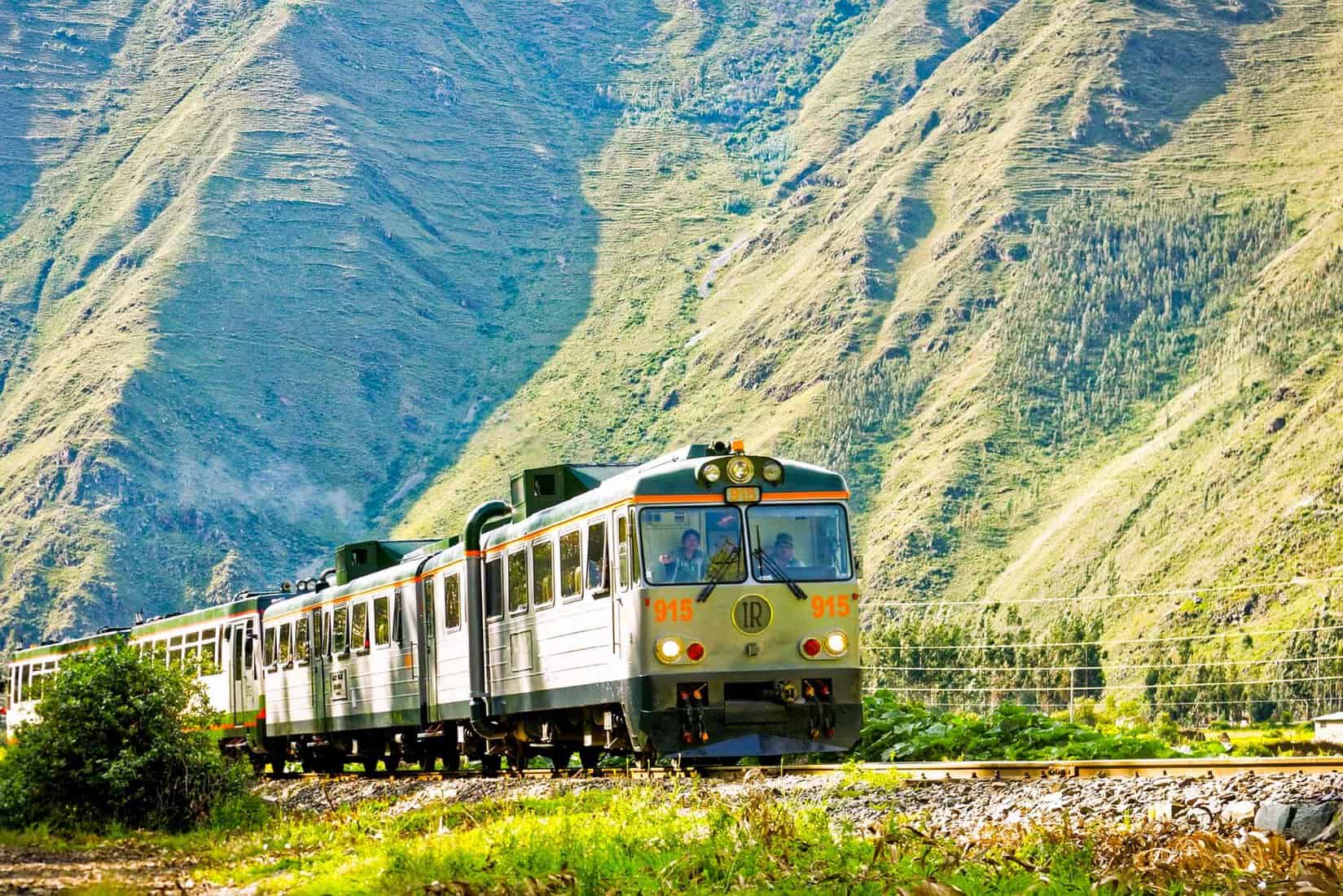
Inca Rail offers several train experiences aimed at different budgets and styles of travel. The Voyager is the practical option for travelers primarily interested in a comfortable journey to Machu Picchu. It features large windows, while snacks, beverages and souvenirs can be purchased onboard.
Travelers who consider the scenery a major part of the experience may be more interested in The 360°. Its panoramic windows are designed to provide expansive views of the Sacred Valley, and the experience includes an open-air observatory car.
Depending on the service, passengers can also enjoy Andean flavors, entertainment and onboard features during the trip.
Moving further up the range, The Prime focuses more heavily on space, comfort, regional flavors and onboard music.
At the premium end, The First Class turns the journey into a larger travel experience. Features include an open-air balcony, gourmet dining, live music and more personalized service. There’s also The Private for travelers looking for an exclusive and customizable journey.
As a general guide, Inca Rail lists one-way fares of approximately $60 to $85 for The Voyager, $60 to $120 for The 360° and $200 to $400 for The First Class, while The Private starts at a considerably higher price.
These are approximate ranges rather than fixed fares. Prices can change according to the service, season, availability, promotions and travel date, so it’s important to check the current fare when booking. This range makes it possible to choose whether the train is simply transportation or one of the memorable experiences of the Machu Picchu trip itself.
What About PeruRail?
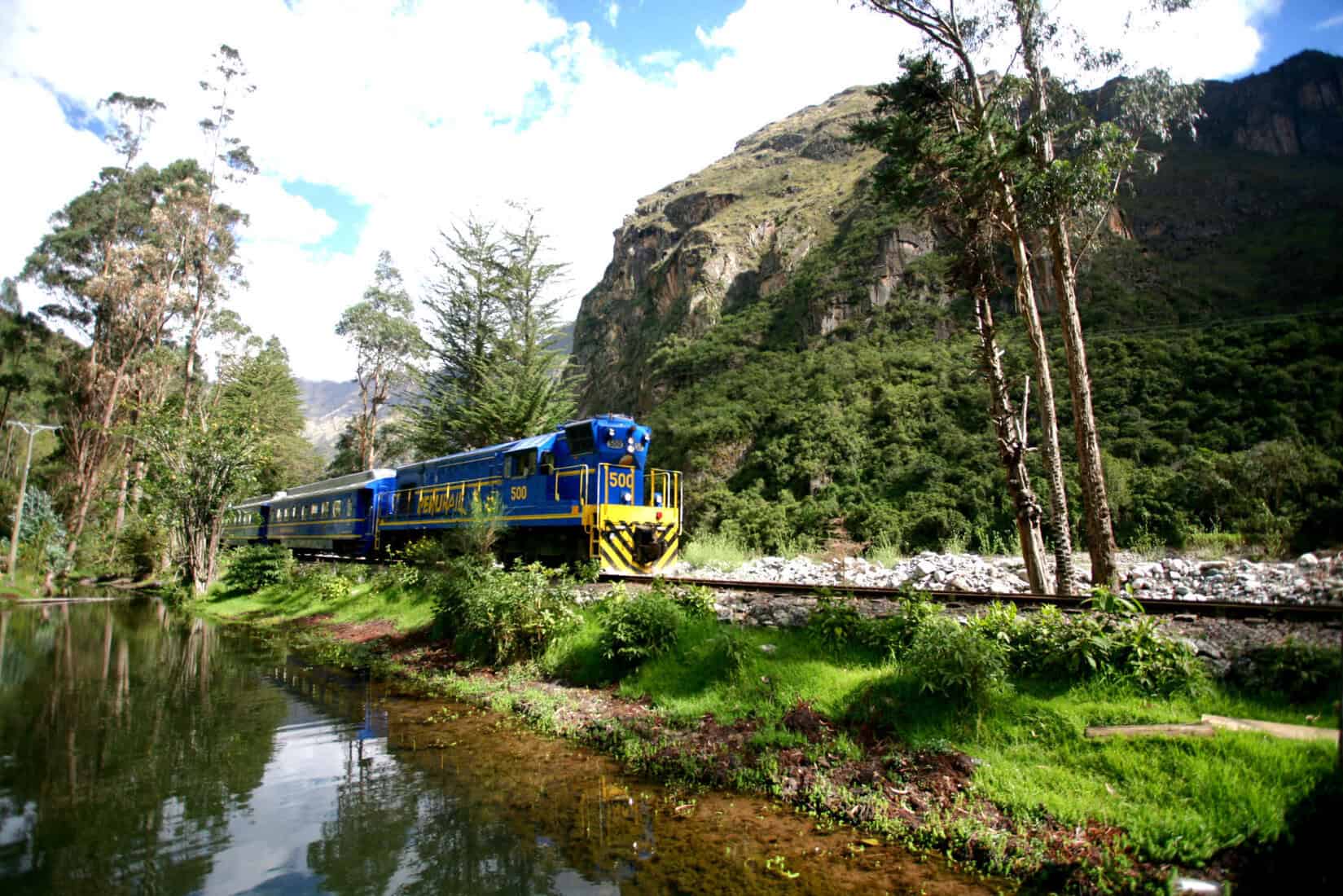
PeruRail also operates several categories of train service to Machu Picchu. Travelers researching the company will commonly encounter options such as Expedition, Vistadome, Vistadome Observatory and luxury services.
Features and inclusions vary significantly according to the train selected.
For example, PeruRail’s Expedition service offers panoramic windows, Inca-inspired interiors, ambient music and an interpretive audio tour, while snacks and drinks are available for purchase.
From Ollantaytambo, PeruRail also offers multiple departures throughout the day. Depending on the service and timetable, trains can leave from early morning onward, giving travelers a choice of arrival windows in Machu Picchu Pueblo.
Published schedules, for example, include departures shortly after 5:00 a.m., 6:00 a.m., 7:00 a.m. and later in the morning, although the exact frequencies available vary by date and service.
The journey from Ollantaytambo to Machu Picchu Pueblo typically takes around 1½ hours, although PeruRail advises that travel time can vary by train and schedule.
All of these services arrive at Machu Picchu Pueblo station, where travelers can continue toward the archaeological site.
Fares also vary considerably. As a broad planning estimate, one-way tickets on commonly booked PeruRail services from Ollantaytambo can run from roughly $65 for Expedition to $155 or more for Vistadome and Vistadome Observatory services, depending on the departure and availability.
Luxury services sit in a substantially higher price category. Because fares can change, travelers should check PeruRail’s booking system for their specific travel date rather than treating these figures as fixed prices.
The wider variety can be useful for travelers who want to compare several combinations of departure times, service levels, and onboard experiences.
That also means it’s important to compare individual trains rather than simply comparing the two company names.
Inca Rail vs. PeruRail: What should you compare?
A common mistake when planning a Machu Picchu trip is choosing a train based only on the cheapest fare shown during a quick search. Price matters, but several other factors can have a much bigger effect on your day.
Both operators have multiple scheduled services, but the exact frequency varies according to the date, route and train category. A slightly more expensive departure at a convenient time may be considerably more useful than a cheaper train that requires an extremely early start or leaves you waiting for hours.
Arrival time deserves just as much attention as departure time. A train leaving Ollantaytambo early in the morning can get you into Machu Picchu Pueblo in time for a morning visit, while later services may be better suited to travelers staying overnight in town before visiting the archaeological site the following day.
The Sacred Valley is part of the experience, particularly if this is your first trip to Peru. Travelers who enjoy photography or simply want to watch the Andes go by may place greater value on panoramic windows or an observation area.
Comfort is another consideration. The journey from Ollantaytambo to Machu Picchu Pueblo takes roughly 1.5 to two hours, so seating, space, and the overall atmosphere can make a difference.
Finally, compare what’s actually included. Food, beverages, entertainment, transfers, and other services vary between train categories. Travelers who want to examine these differences in more detail can read this fuller comparison of Inca Rail vs. Peru Rail before choosing a service.
For best views, make journey part of trip
One of the strongest reasons to take the train to Machu Picchu is the landscape. Leaving Ollantaytambo, the railway follows the valley toward Machu Picchu as steep mountains, vegetation, settlements and the Urubamba River create an ever-changing view outside the windows.
That’s where trains designed around panoramic visibility become particularly appealing. Inca Rail’s The 360°, for example, has panoramic windows and an open-air observatory car intended to make the scenery a central part of the journey.
If photography and landscapes are high on your list, consider the train’s window configuration and viewing areas when booking rather than automatically selecting the lowest fare.
Is a premium train worth paying for?
If Machu Picchu is part of a long backpacking trip through South America and you’re carefully managing your budget, a practical train service may be all you need. Save the money for another night in the Sacred Valley, a good meal in Cusco, or another Peruvian adventure.
However, Machu Picchu is also a once-in-a-lifetime destination for many visitors. If that’s how you view the trip, upgrading the train can make sense. Premium services add value by turning the transportation portion of the day into an experience of its own. Inca Rail’s First Class, for instance, incorporates a gourmet meal, an open-air balcony, live music and enhanced onboard service.
Don’t forget about luggage
Packing deserves some thought when organizing a rail journey to Machu Picchu. Many travelers arrive in Peru with large suitcases but take only what they need for the Sacred Valley and Machu Picchu portion of their itinerary.
If you’re staying overnight in Machu Picchu Pueblo, a smaller bag containing clothing, toiletries, travel documents, rain protection and other essentials is usually much easier to manage than your full international luggage.
Always check the latest baggage rules for your specific operator and ticket before departure. Policies can change, and different services may have different conditions.
Book early during popular travel periods
Machu Picchu isn’t a destination where it’s wise to leave every detail until arrival. Train schedules, Machu Picchu admission, hotels and popular tour options can become limited during busy periods. Once you know your Machu Picchu entrance plans, start looking at your train options.
Booking earlier gives you a better chance of finding a departure time and train category that actually suits your itinerary instead of simply accepting what’s left. It’s also worth checking the details on your reservation carefully. Know where you’re boarding, when you need to arrive, what identification you’ll need and whether your itinerary includes any road transfer in addition to the train.
Remember that the train journey finishes in Machu Picchu Pueblo (Aguas Calientes). Travelers visiting the archaeological site then need to continue from the town to the entrance, typically using the bus service up the mountain. Allow for this additional transfer when matching your train arrival with your Machu Picchu entry time.
Which train should you choose?
Choose primarily according to your schedule if your Machu Picchu entrance time and itinerary leave little flexibility. If scenery is a priority, look closely at services designed around panoramic viewing. Inca Rail’s The 360° is particularly oriented toward travelers who want to immerse themselves in the landscape.
If you’re watching your spending, compare the entry-level services and evaluate the total journey cost rather than paying for extras you don’t need. As a rough reference, standard one-way services can begin around the $60 to $70 range, while panoramic and premium options can rise well above $100 to $200 per person, depending on the operator and service. Always check live fares for your actual travel date.
If Machu Picchu is a major bucket-list trip and you’d like the journey there to feel special, premium services such as The Prime or The First Class can turn a straightforward train ride into a more memorable part of the experience. Ultimately, both operators serve travelers heading toward the same extraordinary destination.
Your decision should come down to schedule, budget, comfort, scenery, and how much importance you place on the experience onboard. Machu Picchu will almost certainly be the highlight, but on the right train, getting there can become part of the story too.