


Iraqi Kurdistan: Bombs, beauty and a fight for the future
(This is the last of a five-part blog on my recent trip to Turkey and Iraqi Kurdistan.)
ERBIL, Iraq – Every time Haval Kazim hears a bomb, he thinks it landed next door.
Since the Iran-U.S. War began in February, Iran and Iran-backed Iraqi forces have fired more than 1,000 missile and drones into Iraqi Kurdistan, the autonomous region in northern Iraq where 39 people have been killed. United States and coalition air defenses intercepted most of them, but the drones didn’t go quietly in the night.
“In my apartment, when I hear the noise, it’s too loud,” said Haval, a Kurdish tour guide, in excellent English. “I think when I open the window, the building next to me has collapsed. It’s so loud. I’m thinking, if the building collapsed, I must leave so my building doesn’t collapse.
“But when I open the window, I think the drone has been intercepted a kilometer from my house.”
Haval lives in the Golden Zone, a ritzy neighborhood in the surprisingly glittery Kurdistan capital of Erbil. He lives about one mile from Erbil International Airport where U.S. military facilities were targeted. It’s about the same distance as my hotel where I recently stayed for five nights.
On Night Two of my trip, Iran sent 10 explosive drones to the air base. I didn’t hear a thing. I slept right through it. The U.S. and coalition forces intercepted them and the only harm done was delayed and cancelled flights the next day.
But it underscores the daily life led by a Kurdish people who have faced slaughter, discrimination and displacement for more than 100 years.
Yet the Kurds must lead the world’s marginalized people in resiliency. They have stood tall and proud and now promote a region that is growing on the intrepid travelers’ radar.
Beautiful mountains backlit by brilliant sunsets. Deep canyons carved between towering rock faces. Crystal clear lakes and rivers. Unspoiled mountain villages. A history dating back 6,000 years. Outdoor sports. And an economy that, until the U.S.-Iran War, surpassed that of many areas of federal Iraq to the south, the nation where Saddam Hussein tried to wipe them out.
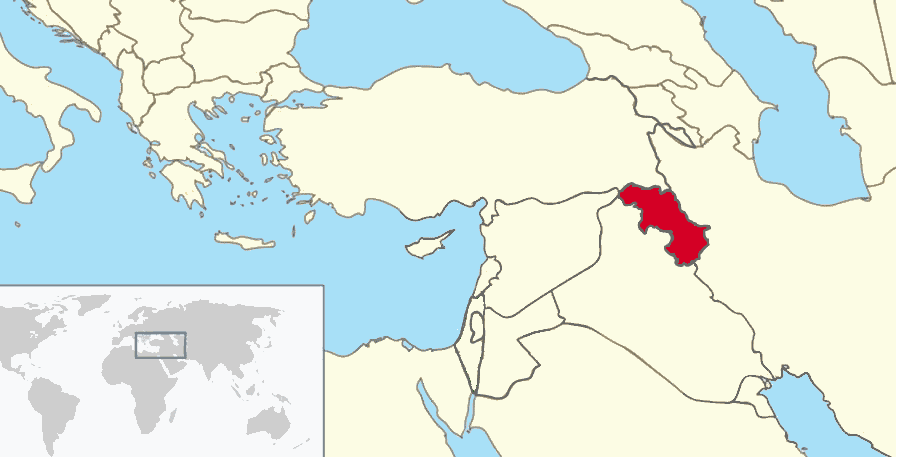
All this in an area about the size of Czechia.
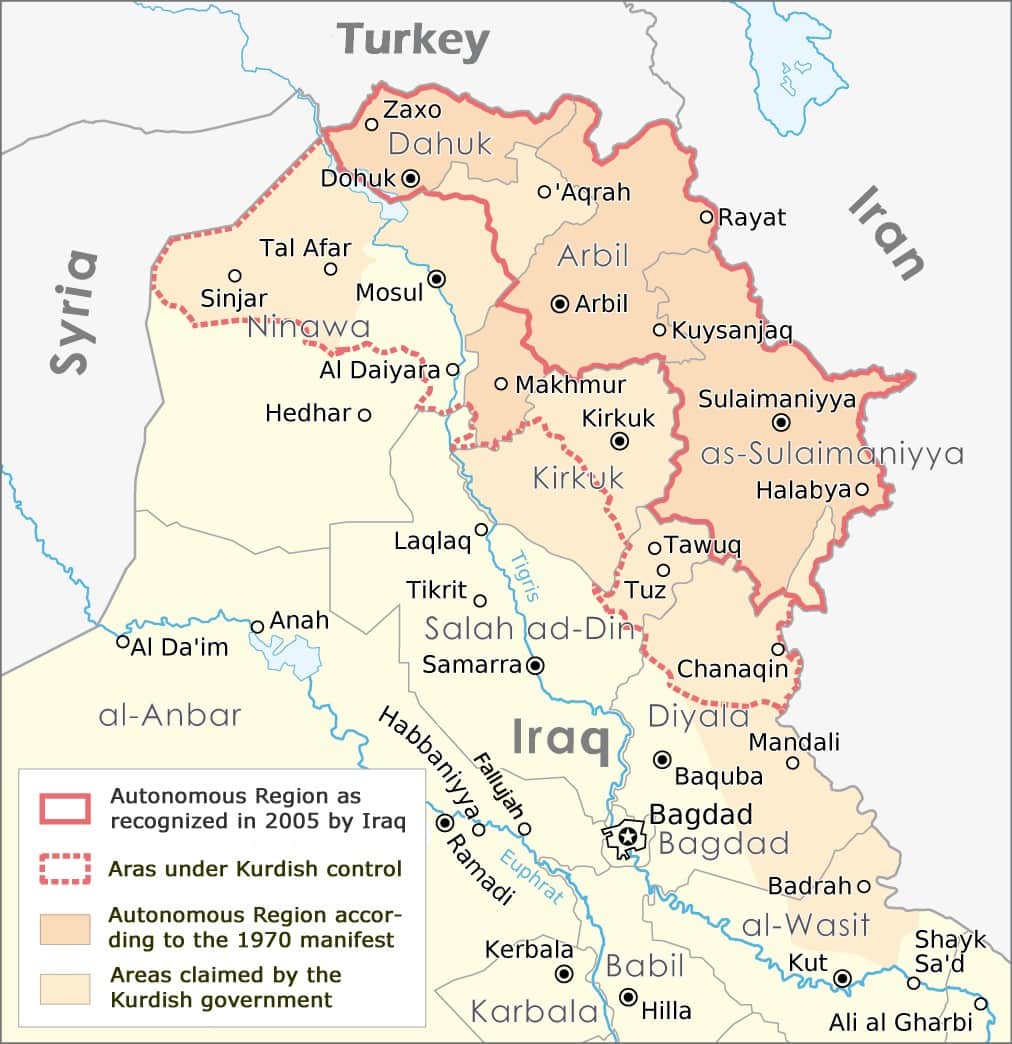
Prime minister Masrour Barzani is making tourism a vehicle to diversify the region’s dependence on its rich oil and gas reserves. His Visit Kurdistan campaign’s goal is to attract 20 million international visitors by 2035.
Douglas Layton, an American who started the Explore Mesoptamia tour company in Iraq in 1992 and has lived off and on here ever since: “Kurdistan and Iraq will be the premier destinations in the Middle East in the near future.”
I wanted to see what Layton labeled “The Other Iraq” before it becomes another Islamic theme park like Dubai. I joined my Travelers’ Century Club Mediterranean Chapter in the wake of Iraqi Kurdistan prime minister Masrour Barzani lamenting to the Al Jazeera, “The region has so far faced more than 1,000 missile and drone attacks.”
Then came new developments. Last Wednesday, the U.S. pulled all military personnel from Iraqi Kurdistan, leaving Iran with no Americans left to bomb. But now the Kurds have another worry they fear is creeping up to its doorstep.
ISIS.
The arrival
I never fear traveling to war zones. Growing up in the U.S., I felt I had a better chance of getting shot than hit by a bomb. I joined 14 other eager members of our TCC group who gathered in southeastern Turkey for our overland trip into Iraq.
Iraqi Kurdistan didn’t roll out the welcome mat. It wasn’t a bomb. It was a border crossing. We stood in one of three lines: foreigners, men and women with children. Under both Iraq and Kurdistan flags, I tried swapping border crossing tales from hell with the other well-traveled folks. None of us had one.
We do now.
After waiting 3½ hours and trying to ply us with Iraqi sweets, border officials told three of us they could not find our Iraqi visas in their computers. We had to pay another $65 for a replacement visa which took me a week to get from Rome.
Haval was there to meet us. He tried but could do nothing. As our van drove south, with gritted teeth I listened to his comment, “This is a country of unexpectations. Expect everything.”
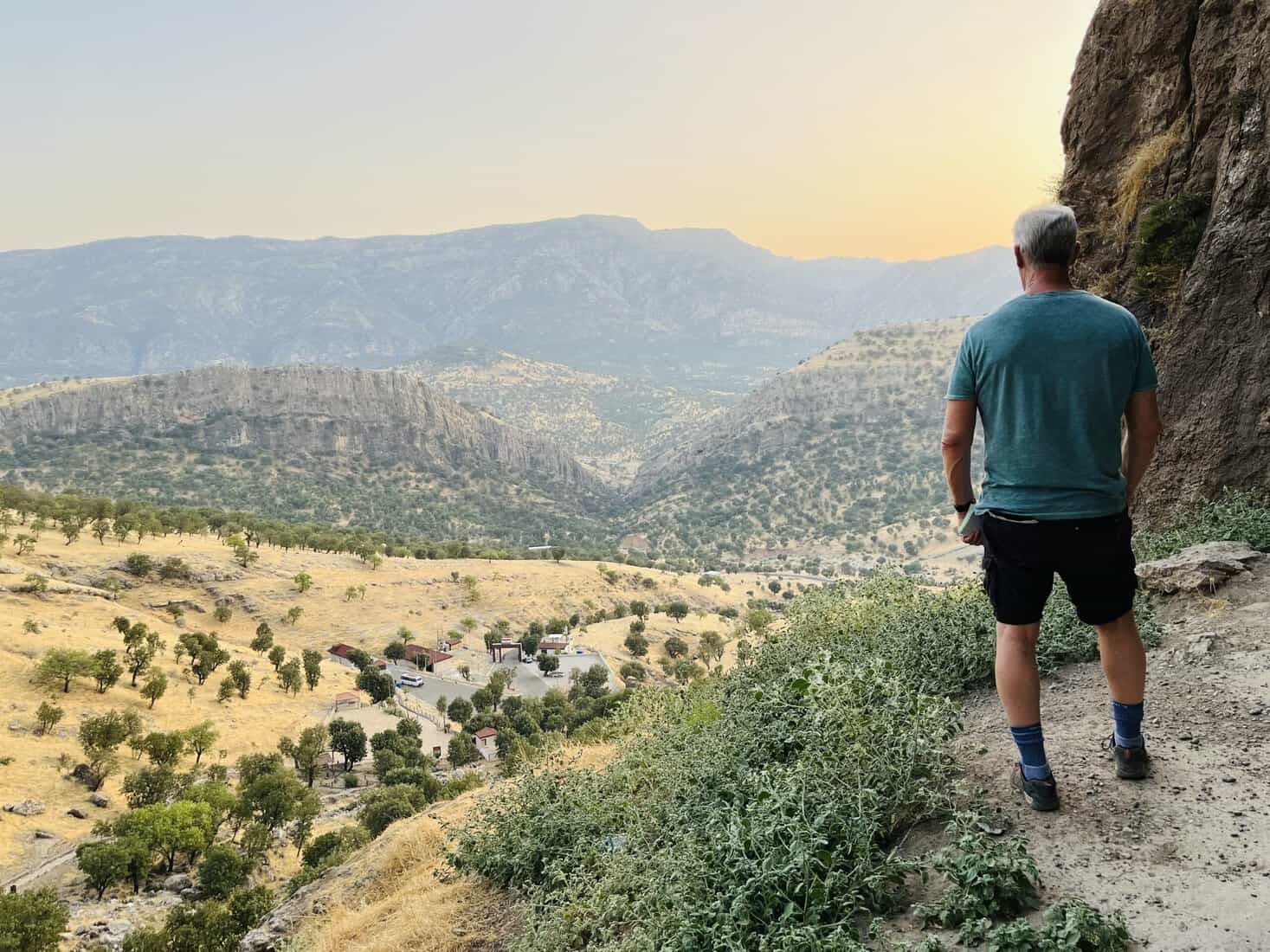
What I didn’t expect was natural beauty that belied my image of Iraq ingrained from years of dusty war photos. On very good, windy roads, we sliced through tall, craggy mountains covered in forest. Deep, green valleys stretched to the horizon.
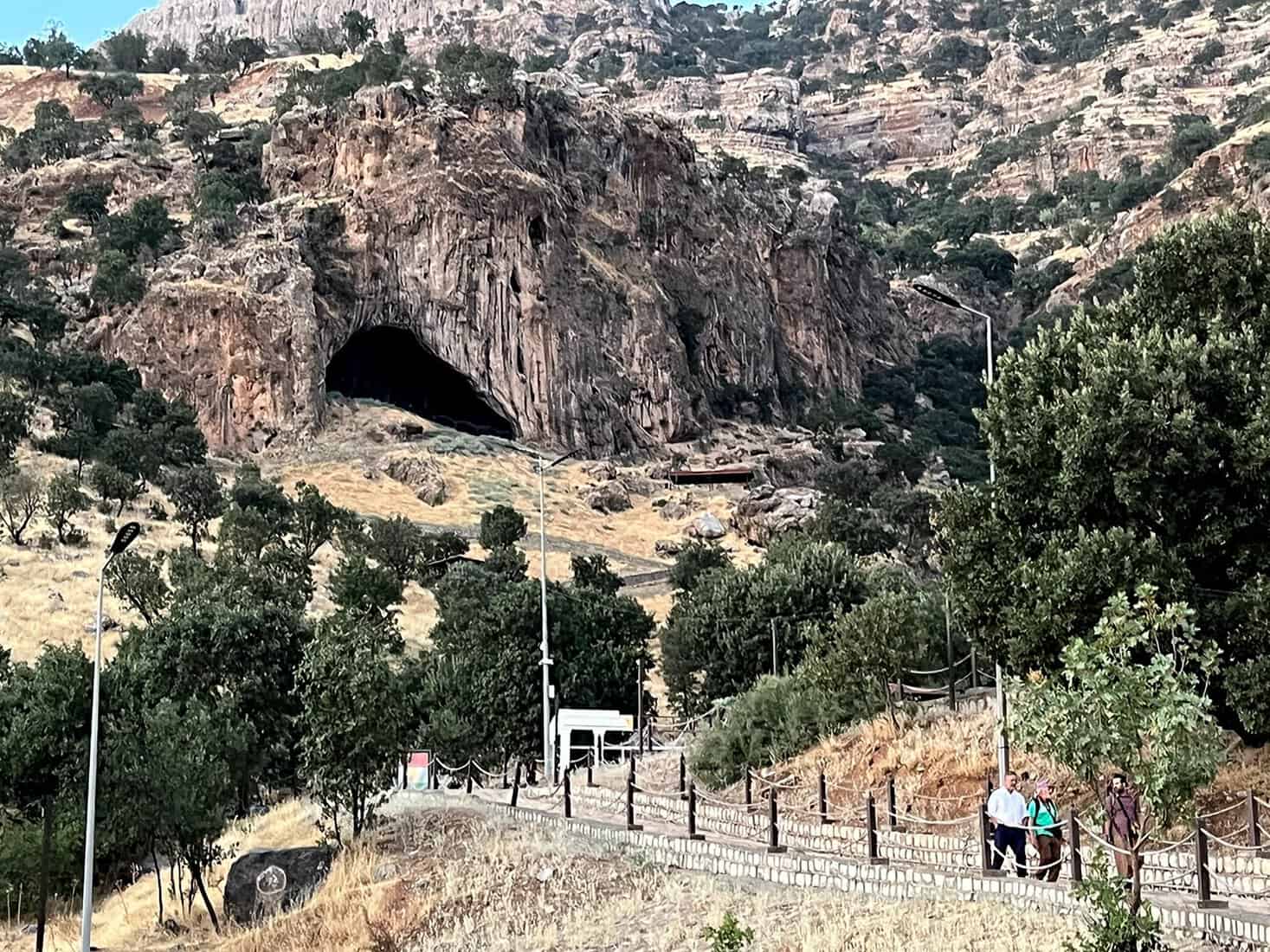
About an hour after crossing the border, we saw why Iraqi Kurdistan, with a population of 6.5 million people, has been called “The cradle of civilization.” A massive rock 100 feet high with a gaping black maw of an entrance rose in the foothills. We climbed a few hundred switchback steps to enter Shanidar Cave where from 1951-1960, American archaeologist Ralph Solecki discovered the remains of 10 Neanderthals dated 65,000-35,000 years old.
As much as I was overwhelmed by the history, I was underwhelmed by the site. They’re still digging and a wire fence surrounds the work area with ugly, torn tarpaulin strewn about.
But the view made the climb worth it. I stood on the cave’s edge and saw the sun set behind the distant mountains, casting a golden glow over the black rock. The 100-degree temperatures from the week before had given way to temps in the 80s but this place’s history offset its tranquility.
Hussein once attacked this area when the Peshmerga, the Kurdish military force, took refuge here. In the Kurdish language, Peshmerga means “Those who face death.”
The capital
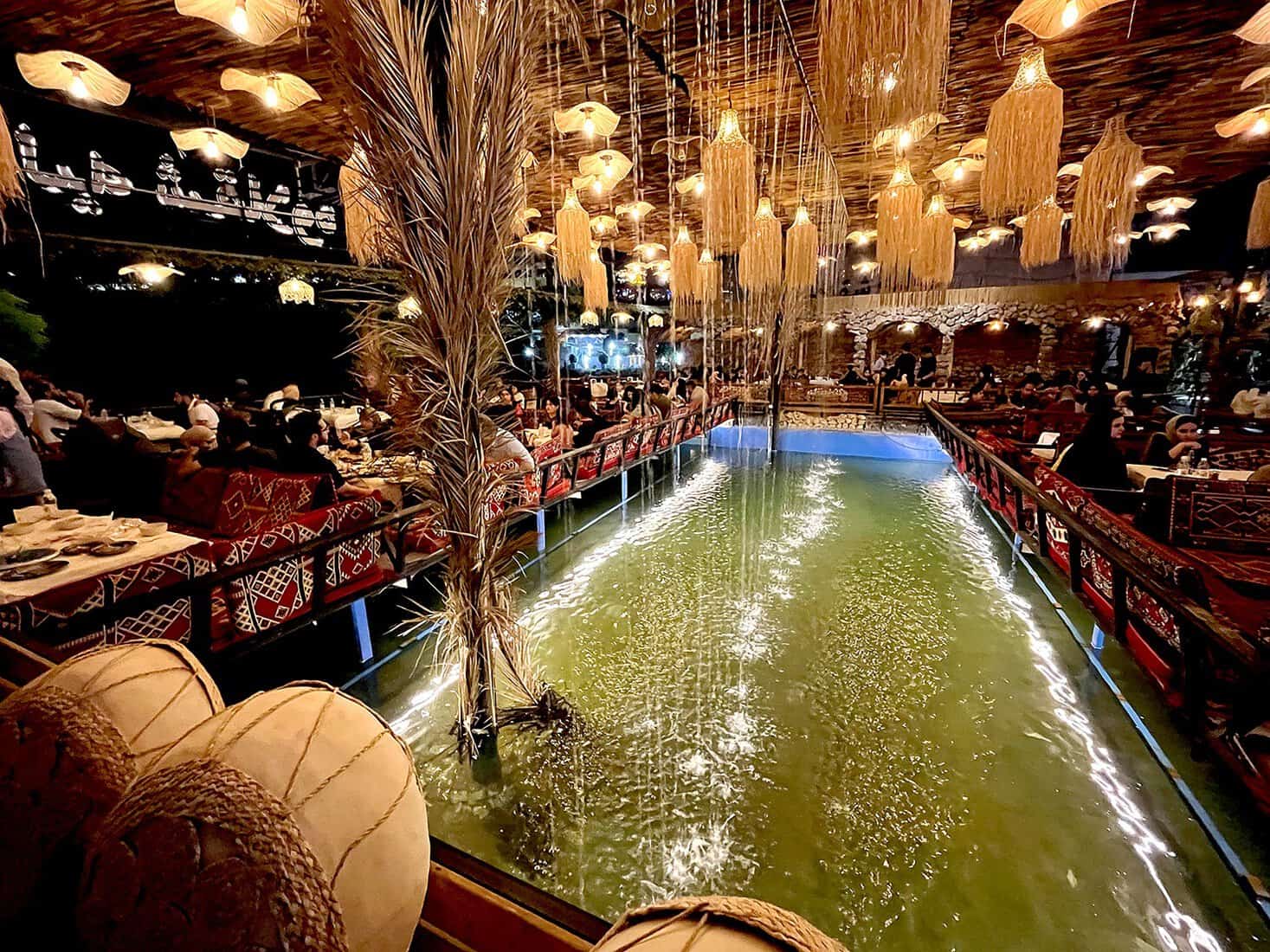
We stopped for dinner in the village of Shaqlawa at Oaly Shaqlawa, a restaurant that could pass for someplace in Abu Dhabi. In the middle of the restaurant was a long pond with water pouring down from a sprinkler rod near the roof. Hundreds of clay pots curiously hung from the ceiling.
A dinner of delicious kebabs, soup, salads, flatbread and hummus was all of €10. And what I heard all week was Kurds complaining about the inflation the U.S.-Iran War brought.
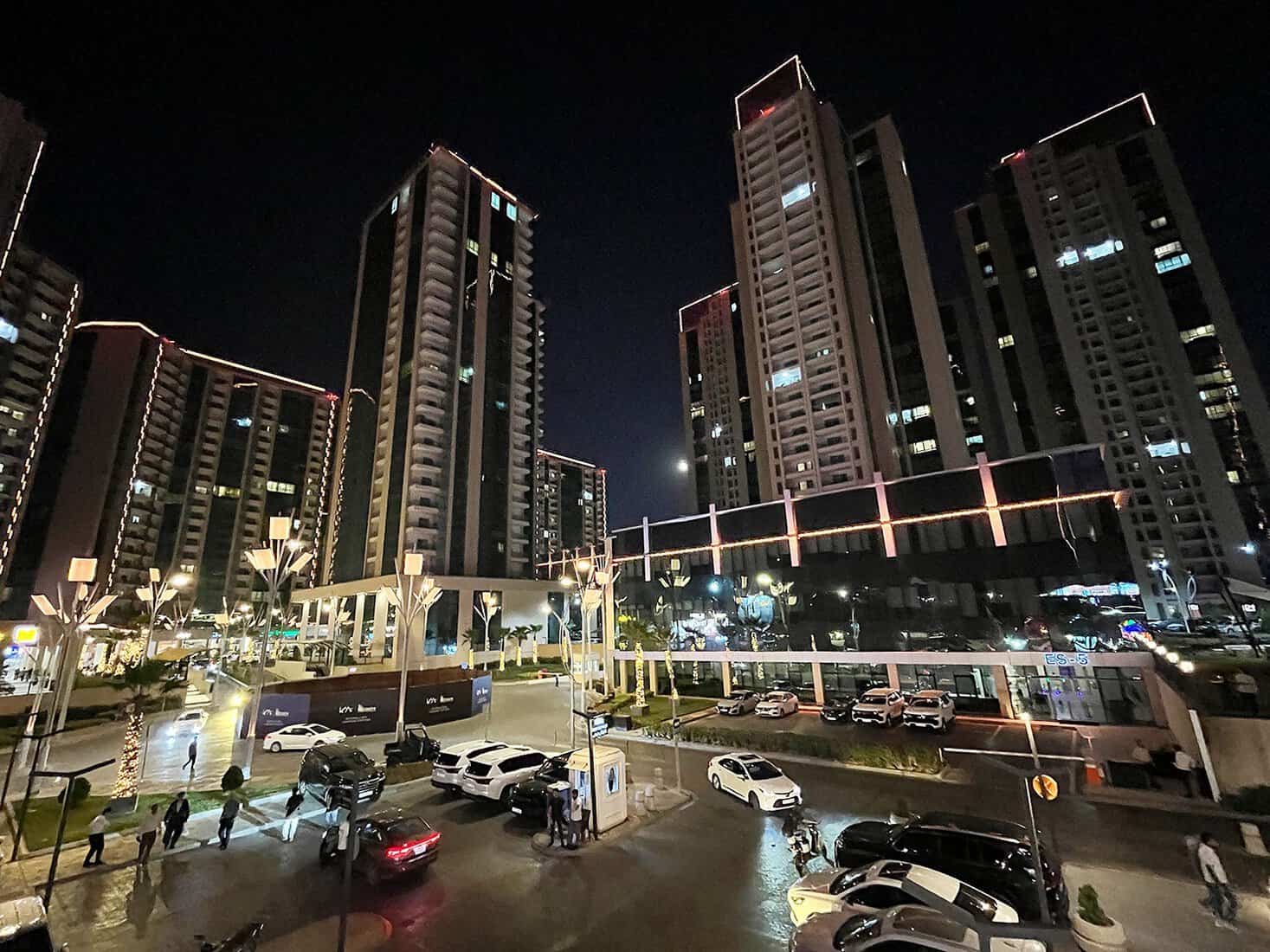
If the Iraqi Kurdistan’s beauty surprised me, its capital floored me. We entered Erbil late at night. Neon lined many of the buildings. Mosques’ minarets competed for airspace with high rises. We passed sprawling, modern business parks.
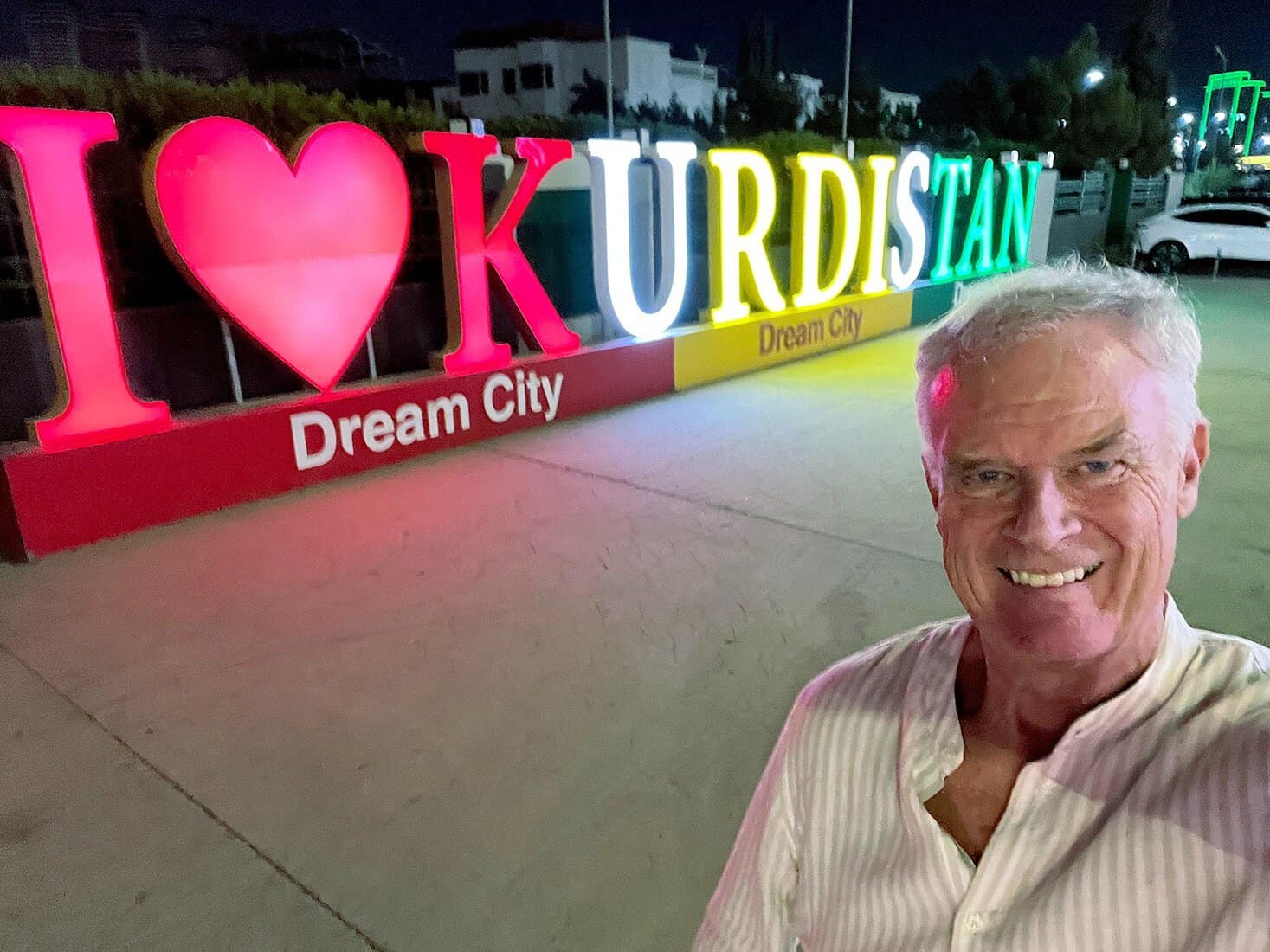
Erbil, a city of 1.2 million people, looked like a city built faster than Dubai, not one that has a history dating back 6,000 years.
“We have a lot of mountains,” Haval told us. “We have snow. We have also a lot of wild animals. That’s the nature side. Come the business side, it has opened up the world since 15 years ago. People are coming to invest, to buy land, to buy houses, all kinds of companies.”
After six millennia, Erbil’s pulse still beats from the Citadel. In the middle of the city, the Citadel rises on a high mound built up by thousands of years of successive settlements. At 1,430 feet long and 1,129 feet wide, it dominates the landscape like an ancient sports stadium.
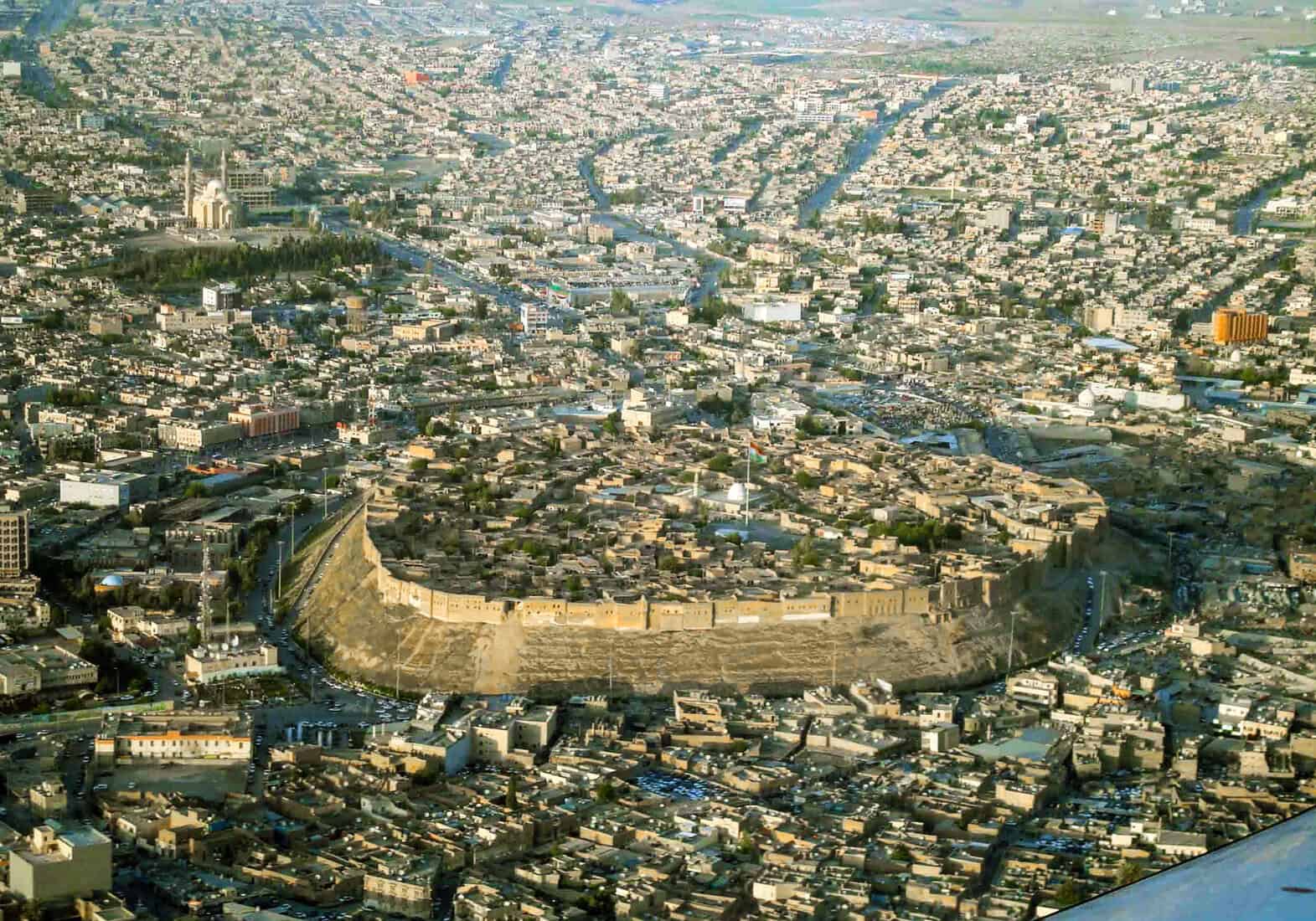
We entered on a pleasant, sunny morning and it looked like a self-contained town which it once was. On the grounds are 50-75 houses that once held families but have since cleared out under a current renovation. In 2014, the Citadel earned a UNESCO World Heritage Site recognition.
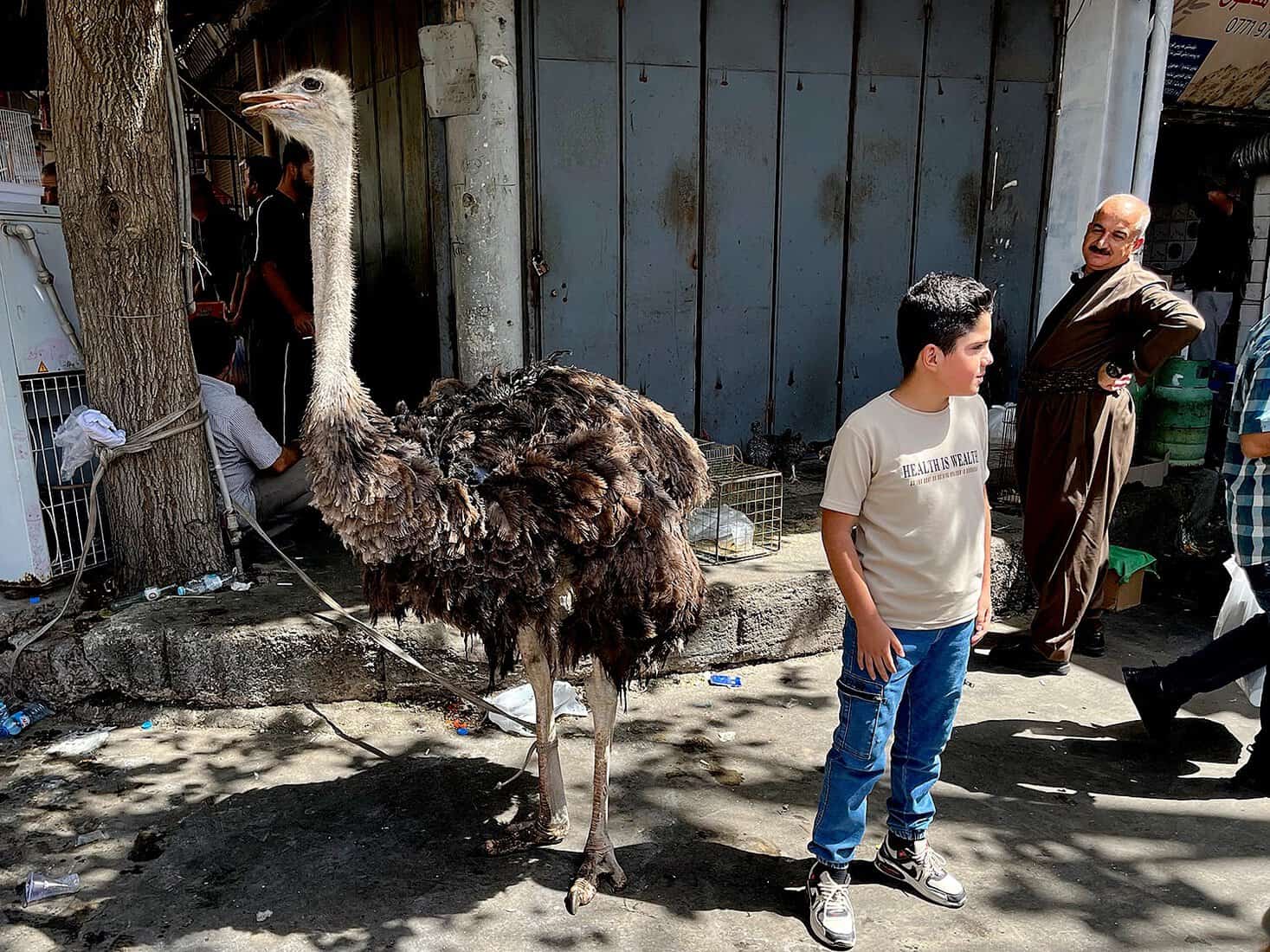
Outside the Citadel, the Erbil Bazaar still buzzes with commerce as it has since the 12th century. I could tell this was as authentic as it gets. Unlike Istanbul’s Grand Bazaar, where you could do your entire Christmas shopping in an hour, there is little to buy in Erbil’s.
I walked past cheap retail stores, sweets shops and jewelry stores hopelessly out of my price range after the war doubled the price of gold, according to the merchants to whom I pleaded poverty.
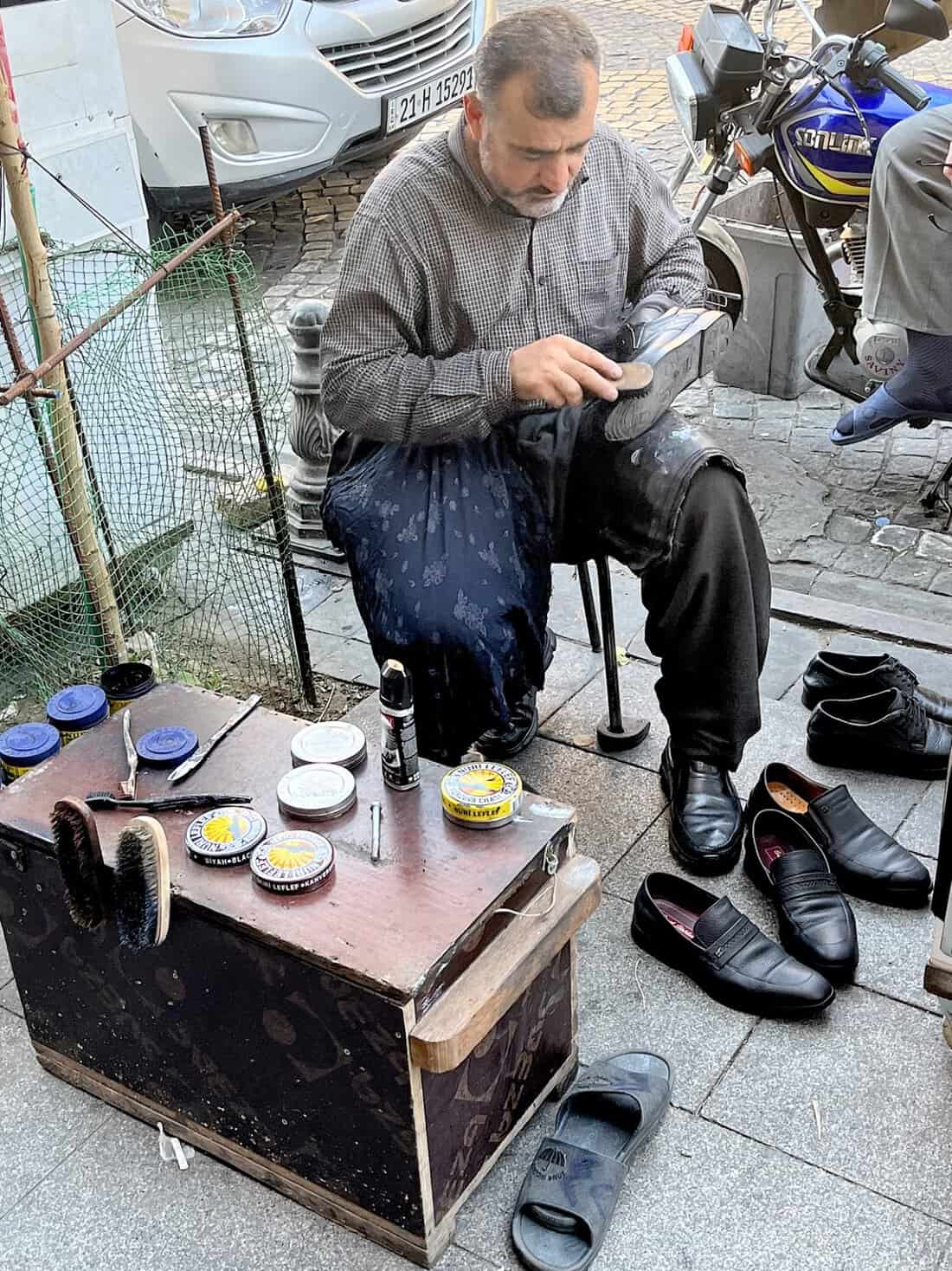
On the sidewalk rimming the bazaar, men shined shoes, sold tissues and changed money. Men filling tea shops paid me no mind as I took photos.
In a 10-minute cab ride, I went from a scene that hasn’t changed in hundreds of years to Westernization, 2026 chapter. I visited Erbil Avenue, a huge open-air complex lined with palm trees and trendy Western restaurants such as EL&N of London and Gordon Ramsay’s Street Burger.
Thousands of little Kurdistan flags greeted me at the entrance. I passed a huge sports complex where Kurdish youths train for soccer. Giant, modern sculptures were sprinkled along the walkways.
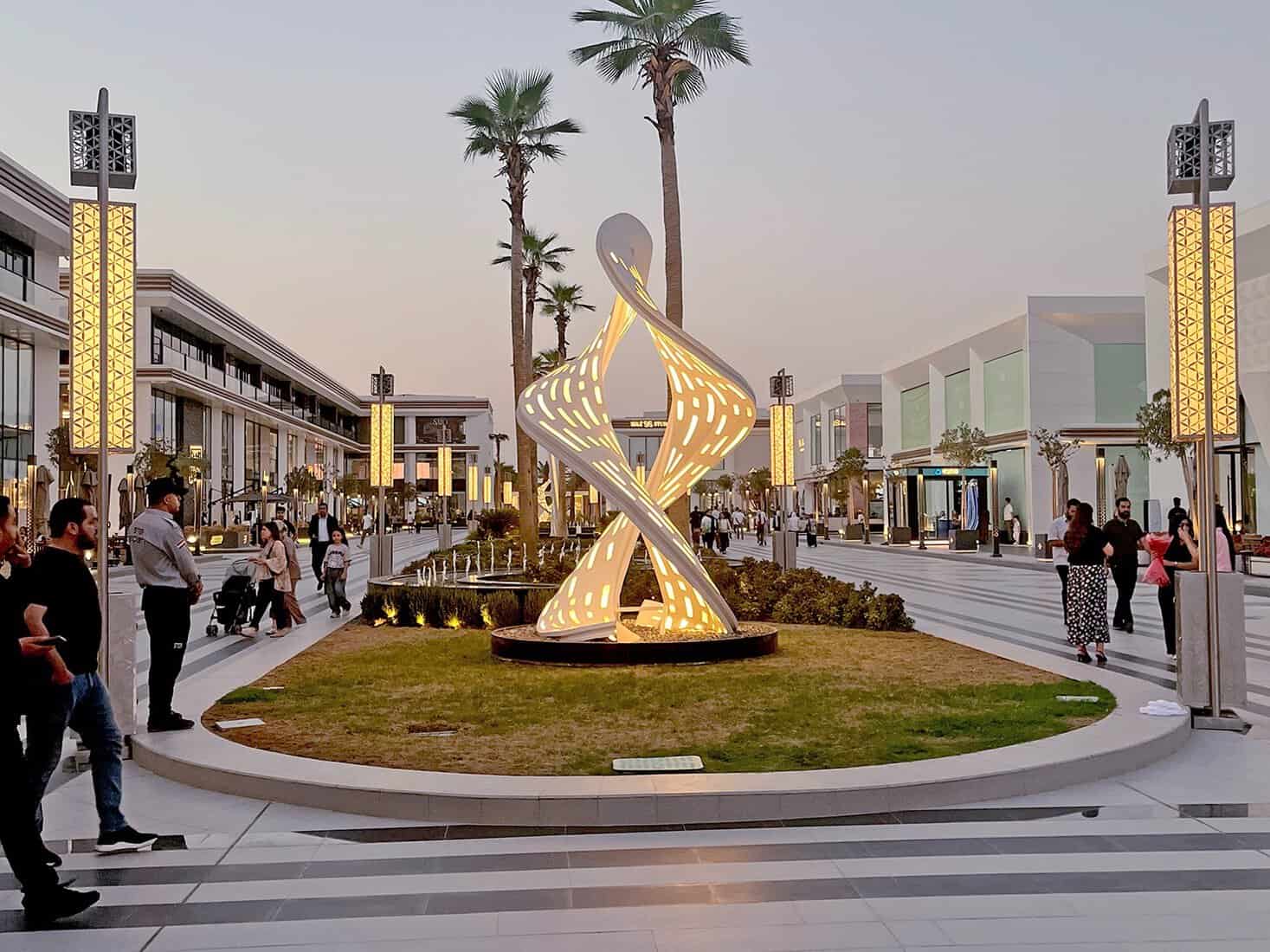
It opened only in December and is part of Kurdistan’s 103 tourist projects opened in the last seven years at a cost of $7.6 billion.
I walked into Youth Hub, a big, airy building that has all the trappings of a modern university library. Indoor trees sit under a skylight, basking the sun on many college students studying or just attracted by curiosity.
I saw Amed Kucher and Ramyar Duski, two 22-year-old medical students. I asked Amed what he tells outsiders about Iraqi Kurdistan.
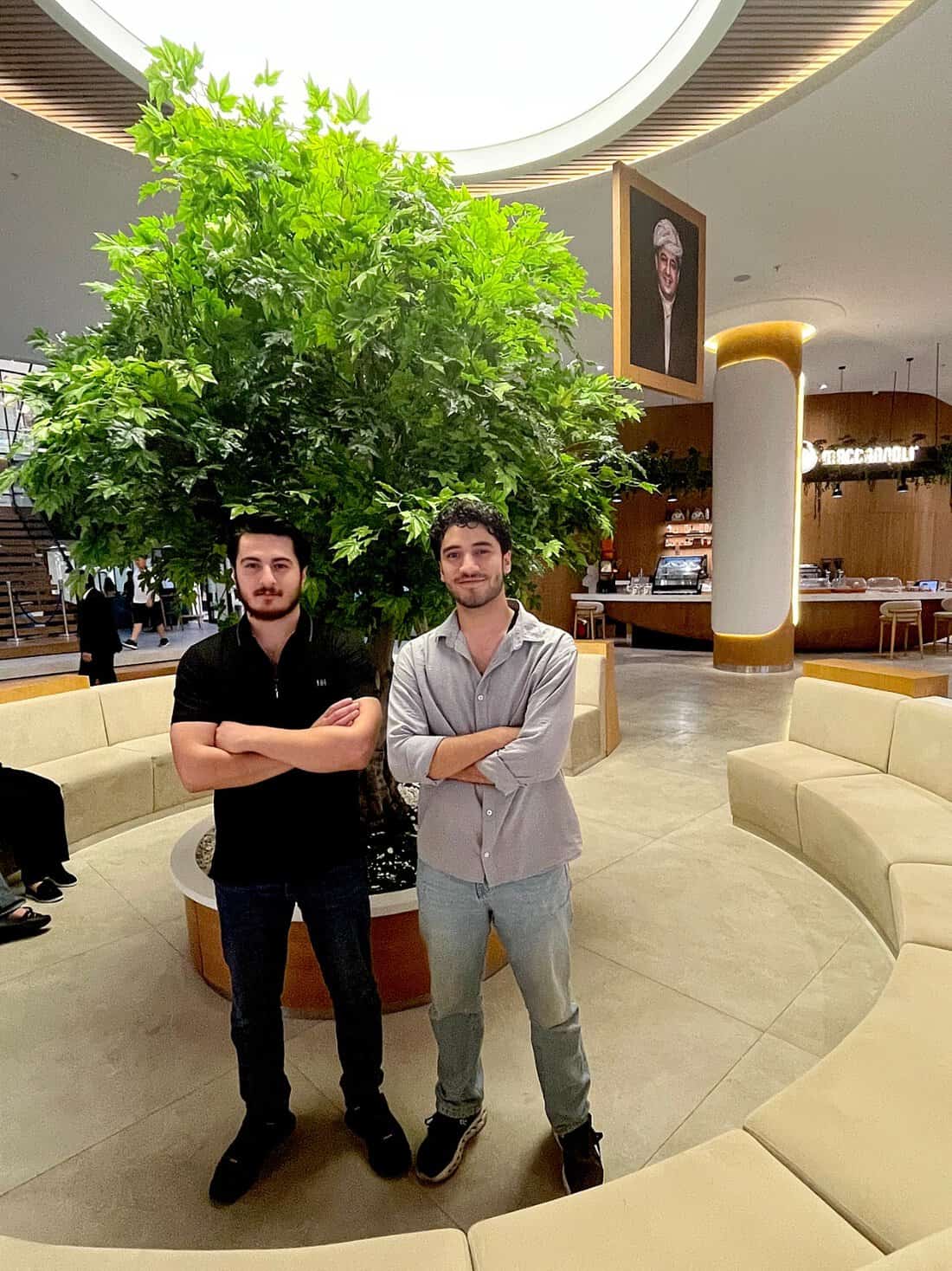
“It’s an underrated country,” he said. “Not everyone knows so much about it. It’s good. It’s not like the surroundings of Kurdistan like Syria or Iran or the rest of Iraq. It’s better than that.”
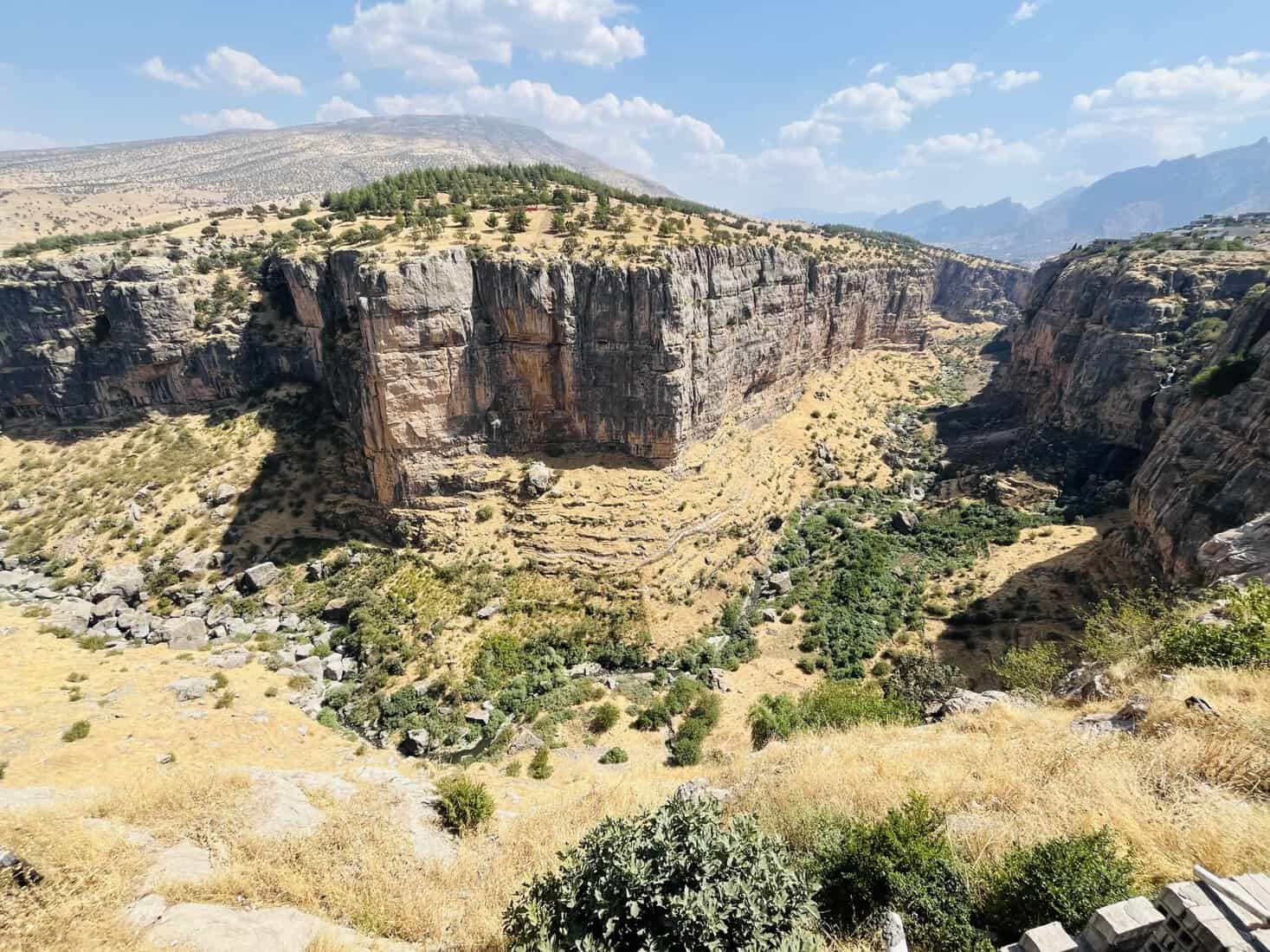
The best way to confirm that is to get into the countryside. Our van drove us 2½ hours north not far from Shanidar Cave. Rawanduz Canyon is the Grand Canyon of the Middle East. It drops 3,280 feet nine miles into the Zagros Mountains.
We parked in the village of Rawanduz and walked to the lookout point. We gazed out at an endless canyon slicing through sheer rock cliffs. Trees and shrubs were scattered throughout the canyon. We looked around. Not another traveler had joined us.
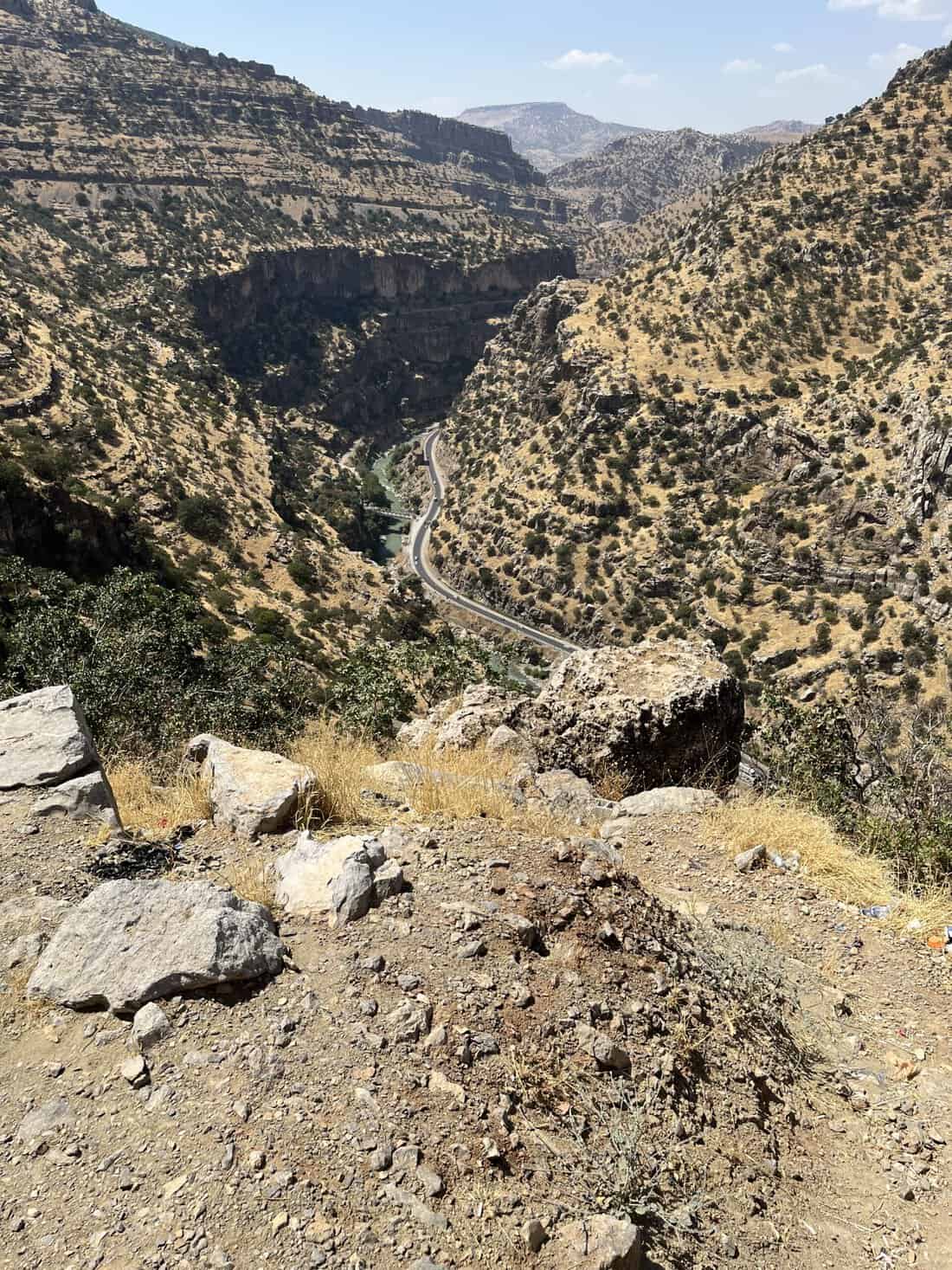
In fact, in five days in Iraqi Kurdistan, two Germans were the only other Western tourists I saw.
A short ride west of Rawanduz we met a people who have shared the same tragedy and space as the Kurds if not the same religion. In the narrow Lalish Valley is the home of the Yazidi, a religious minority that believes in a transcendent god who created the universe but does not govern the world.
That put the Yazidi at odds with ISIS who 12 years ago came to Kurdistan and nearly wiped them out, killing thousands and abducting thousands more. We entered the village of Lalish and visited the temple that has been the center of Yazidism since the 12th century.
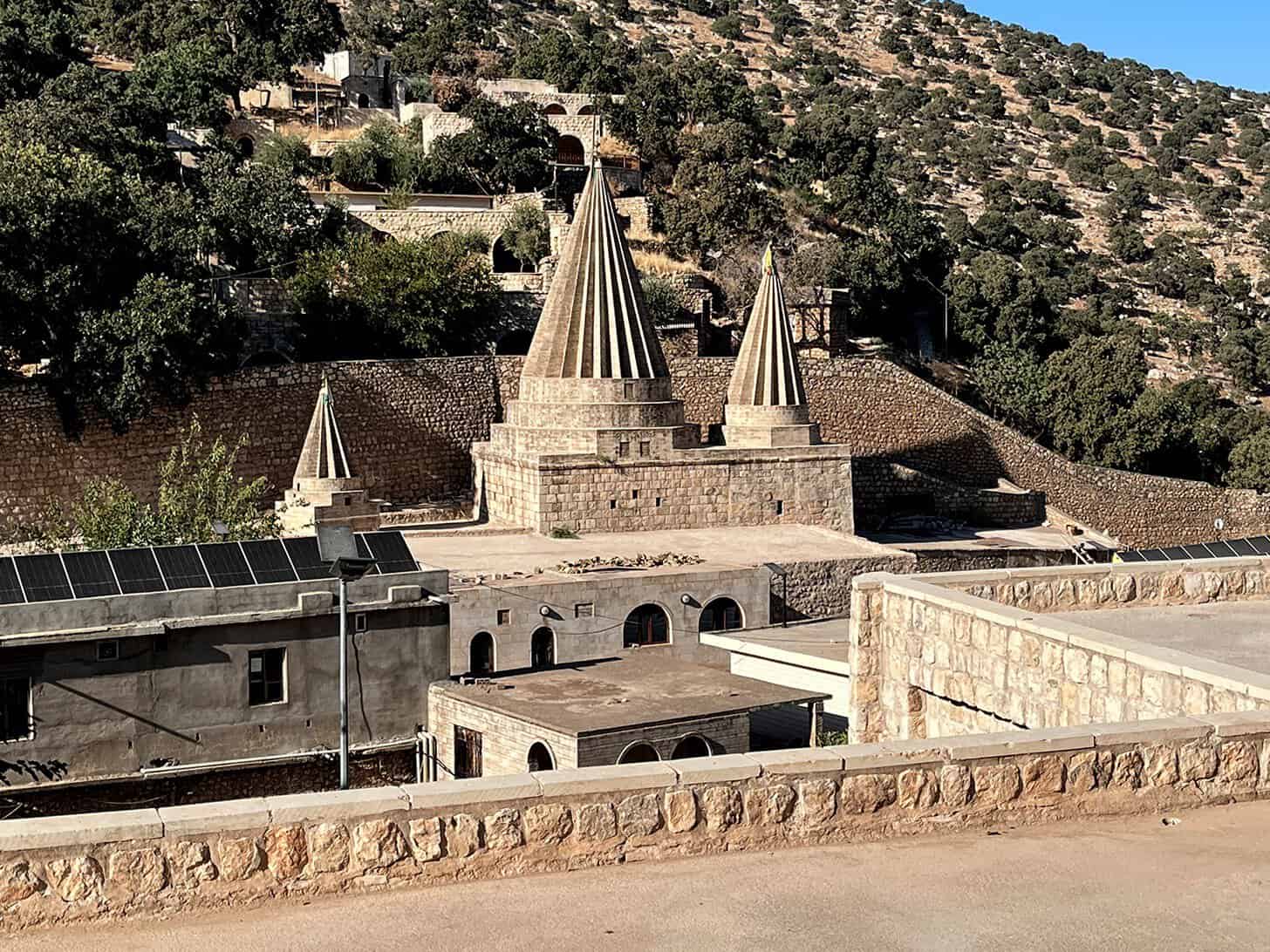
The sanctuary consists of a series of stone buildings with pointy roofs and courtyards. Shoes are forbidden. I saw two barefoot boys playing on the ground. I posed for photos with a man and a boy, both wearing identical blue robes.
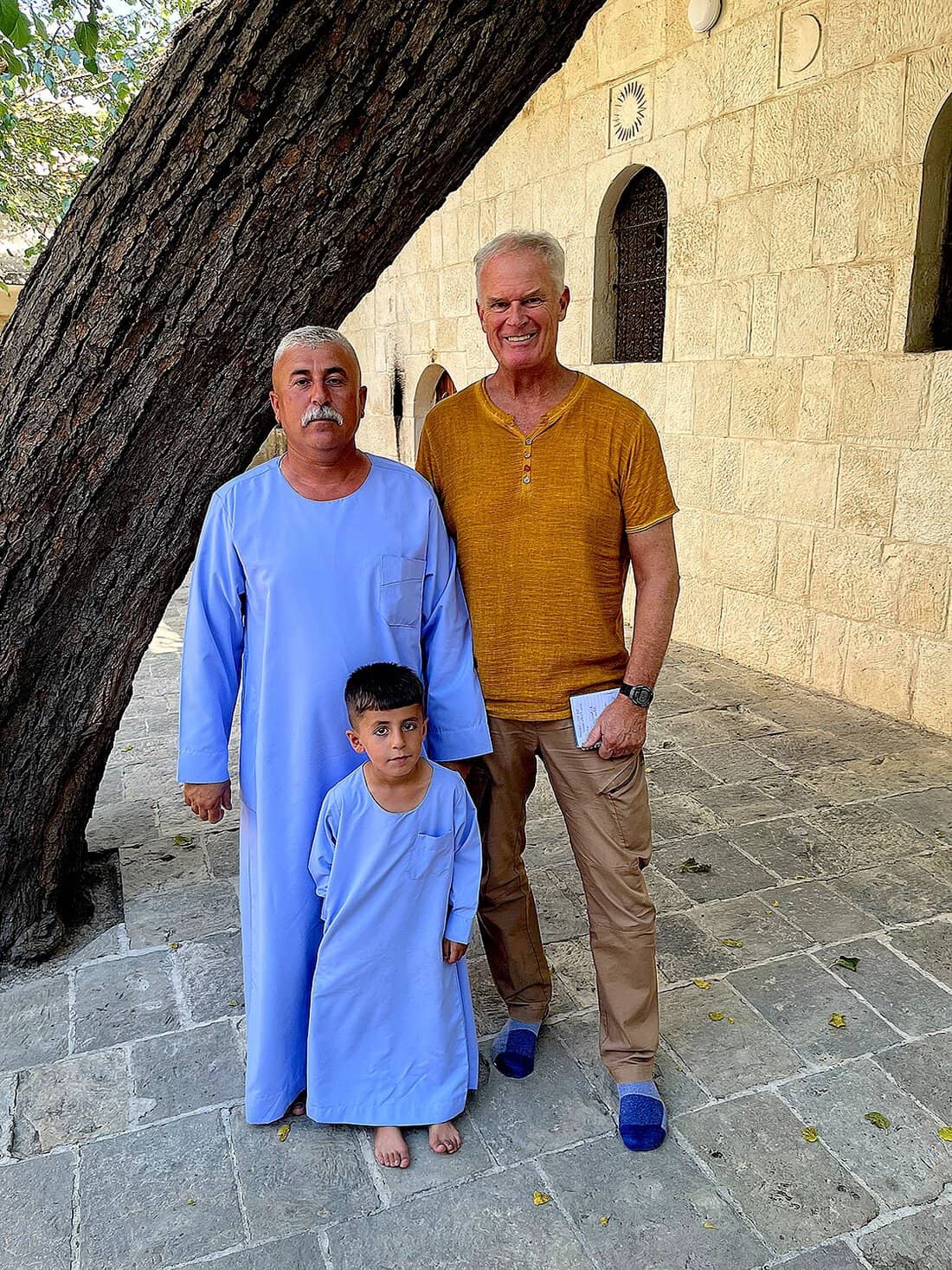
During the day all 25 villagers visit as part of their daily routine. As Muslims to Mecca, all Yazidi around the world are expected to visit the Lalish Temple during their lifetime.
So how do you promote a region that has made more headlines for bombs than tourism?
Kurdistan’s challenge
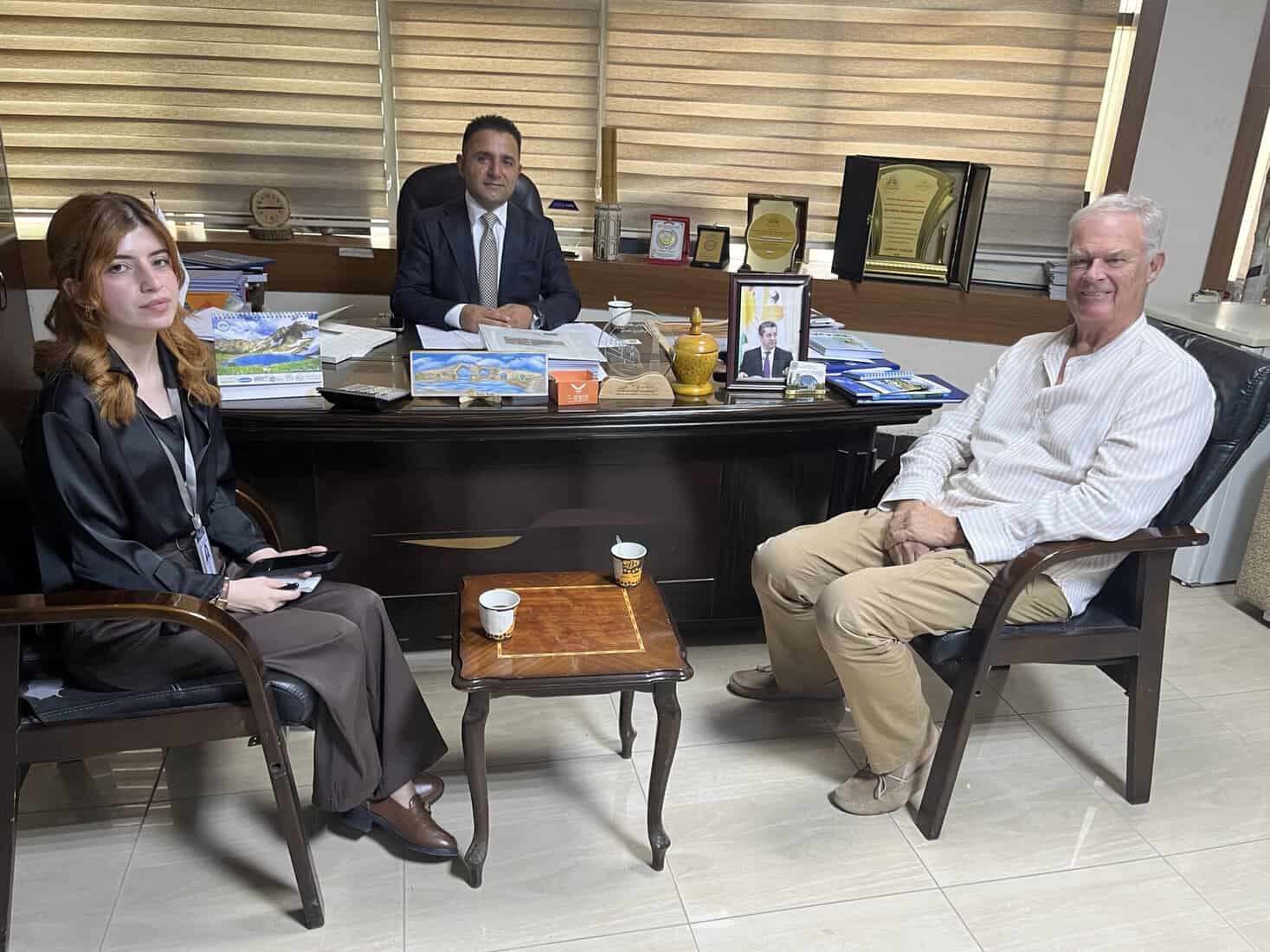
I scored an interview with government spokesman Ibrahim Ibrahim. Dressed in a sharp black suit in his office with the Iraqi and Kurdish flags, he was eager to talk. The drone had been intercepted the night before and I asked him how he promotes a region at war.
“It’s one of the main challenges is to promote Kurdistan internationally,” he said. “Even though we are not part of the war, we are affected and international tourists are very concerned.”
But he spoke with optimism. He said the government’s emphasis on tourism can only help, even though Ibrahim said Kurdistan’s tourism office gets zero dollars from Baghdad. He bragged about the ski resort that attracted more than 100 skiers to their international ski festival last year.
Kurdistan has 480 hotels, 40 of them five stars, and 20 amusement parks.
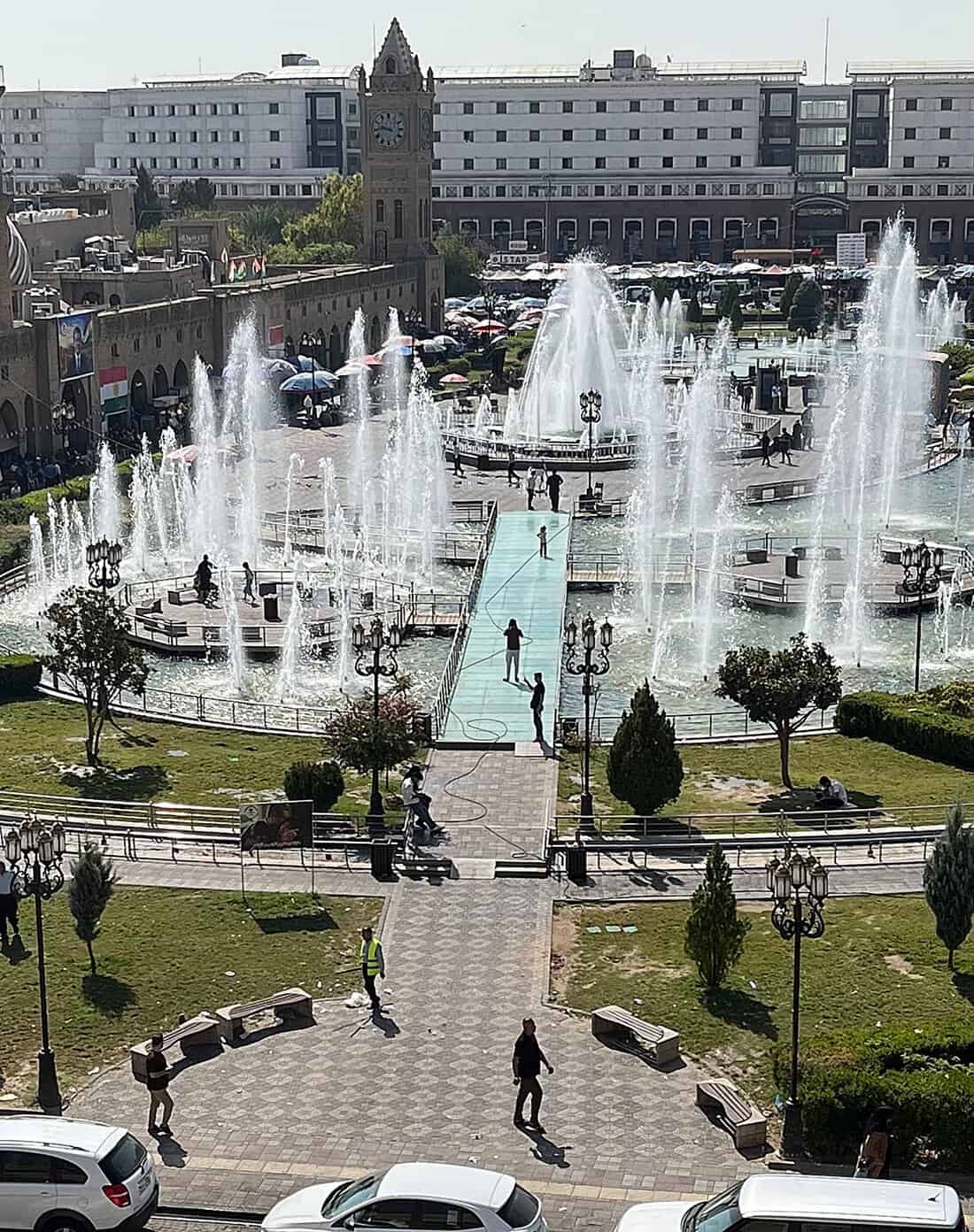
“We have different types of tourism,” he said. “Religious tourism. Archaeological tourism. Adventure tourism, besides this breathtaking beauty of the Kurdistan region and the hospitality of the Kurdish people.”
Omer Yalkin, our Turkish TCC chapter director, arranged an audience with Ano Jawhar Abdoka, Kurdistan’s minister of transportation and communications. A Christian, he showed off a wall photo of him with the pope.
I asked him about the prime minister telling the world about the 1,000 bombings and how it can’t be good for PR.
“Our president, our prime minister, they asked for peace, reconciliation and peaceful solutions for what’s happening now,” he said. “So what (the Iranians) are doing, you can not justify it by any means. But is life continuing in Kurdistan? Yes.
“Like when they are bombing and I was home drinking Arak.”
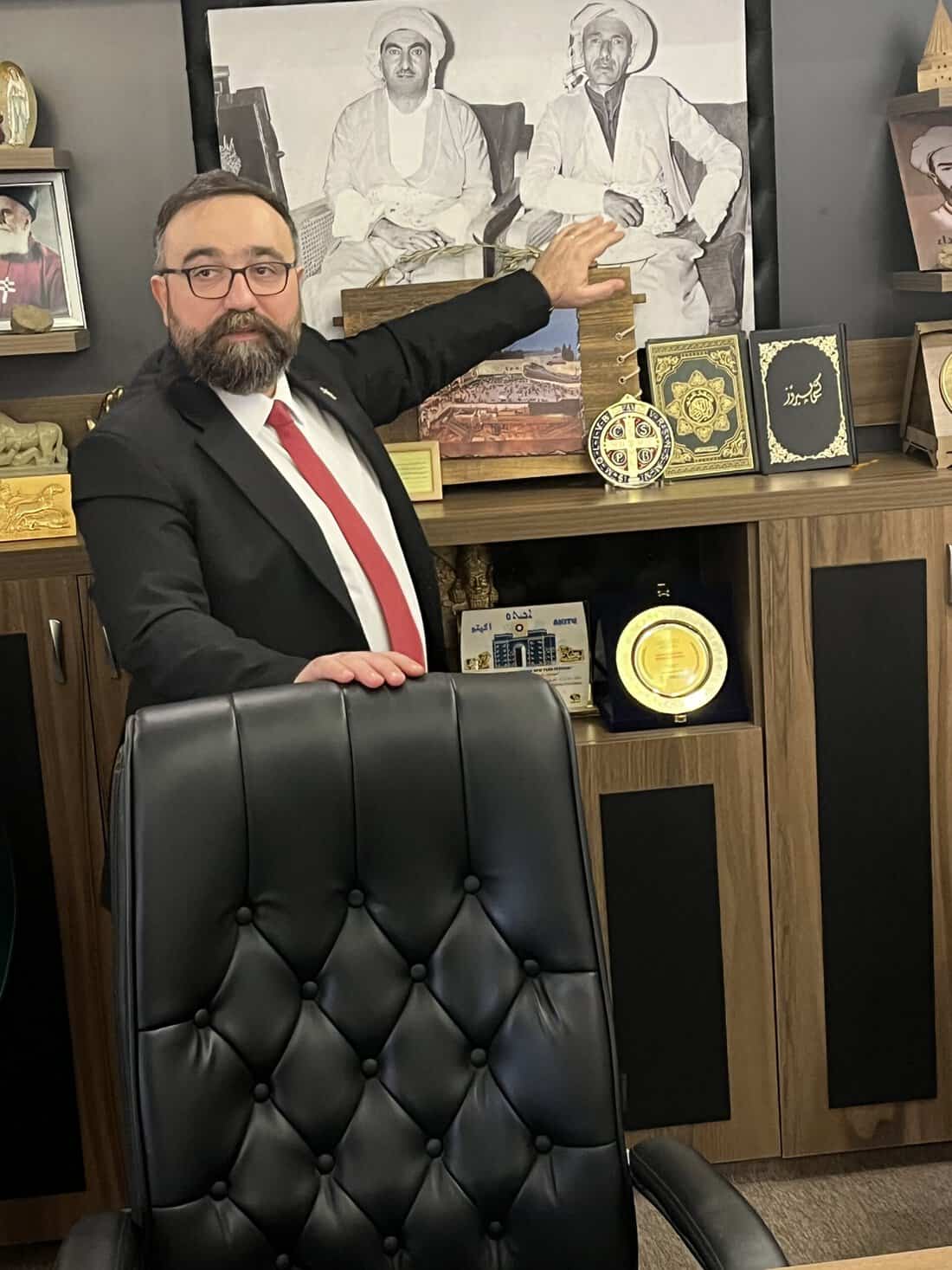
But he sent a message to all travelers.
“Kurdistan is one of the safest places to visit in the Middle East,” he said. “For example, let’s say during the liberation of Iraq in 2003 and change of regime, 5,000-plus American soldiers were killed in Iraq. Not one single one was even injured in Kurdistan.”
The history
The plight of the Kurds has often been compared to that of the Jews. But after World War II, the Jews had Israel.
The Kurds had no independent state.
When Islam swept across the Middle East and Asia in the 7th century A.D., Kurds were noted as exceptional leaders and scholars. They had a sense of ethnic pride and independence but still no homeland.
They thought they had a chance after World War I with the collapse of the Ottoman Empire. But when it came time to mapping out the post-war borders in 1923, Kurdish lands were split between Iraq, Iran, Turkey and Syria.
The Kurds didn’t quit.
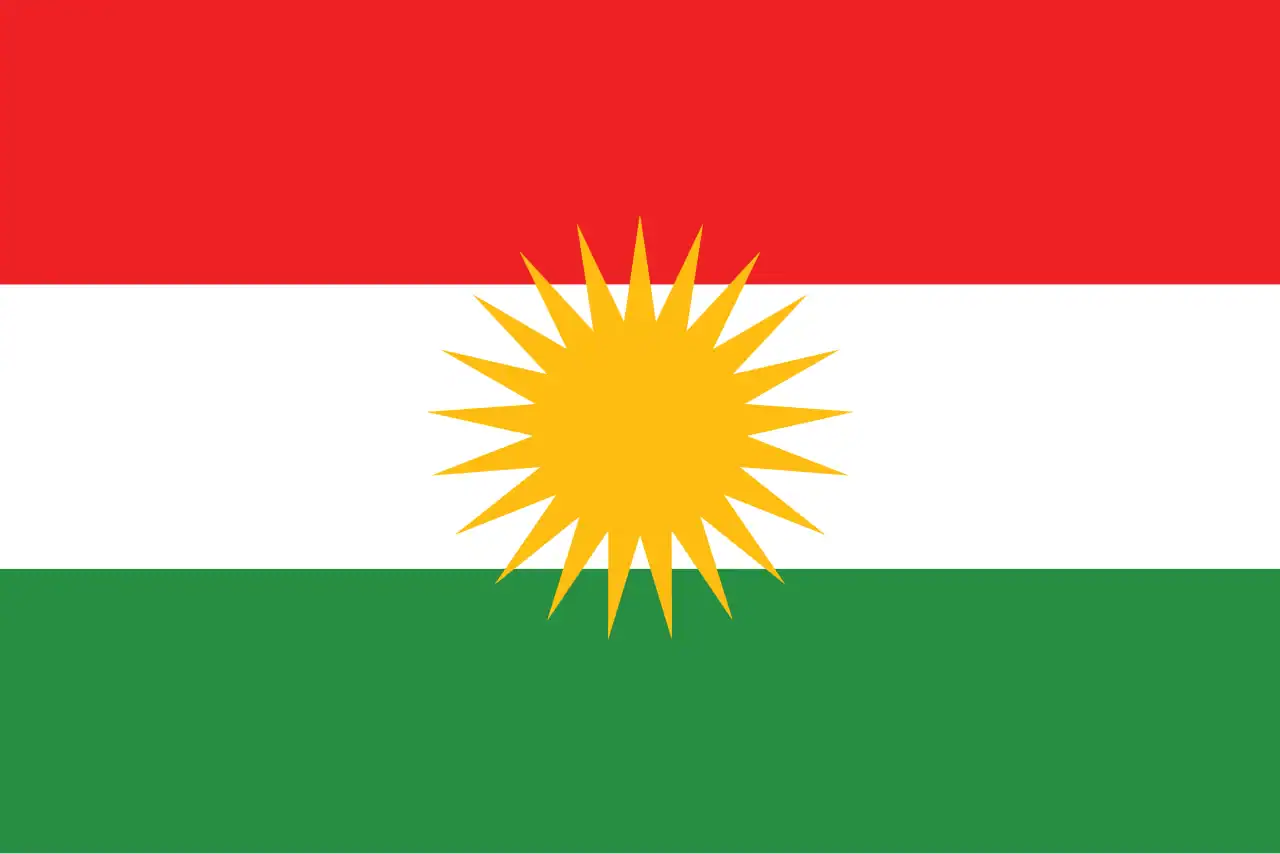
They had their own language. Their own flag. Their own culture. They fought Baghdad for decades until 1970 when Baghdad recognized Kurdish autonomy and the Kurdish language.
But that was a facade. Dictator Saddam Hussein, ruthless and paranoid, still feared Kurdistan’s quest for independence. His repression intensified. In the 1980s, the anti-Kurd Anfal campaign destroyed an estimated 3,000-4,000 Kurdish villages and killed 50,000-100,000, according to Human Rights Watch.
Then came the day that shocked the world. On March 16, 1988, General Ali Hassan al-Majid, Hussein’s cousin, launched a chemical attack of sarin nerve gas on the Kurdish town of Halabja and killed 5,000 people.
It was then that al-Majid earned the nickname “Chemical Ali.”
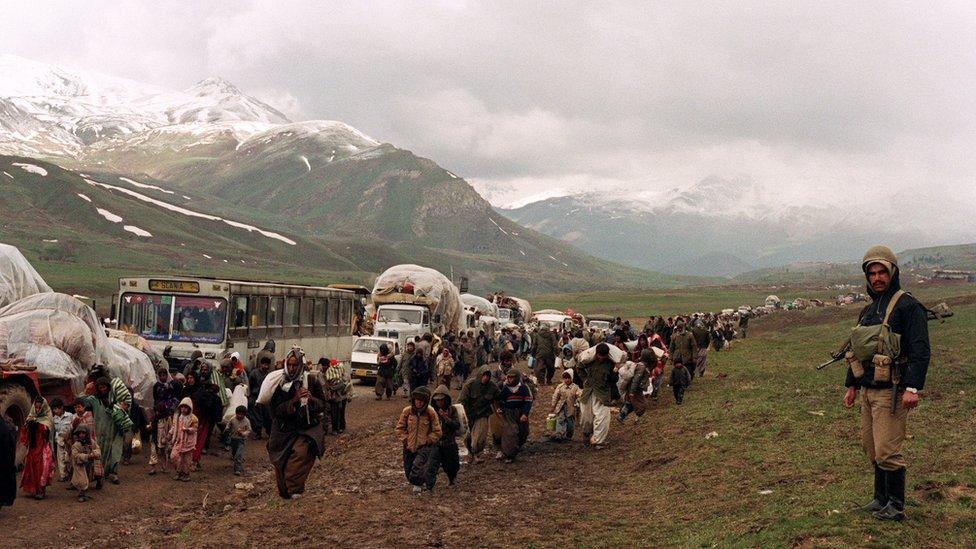
It didn’t end when U.S. forces helped oust Hussein in 2003. ISIS then seized large parts of Iraq and launched a genocidal campaign against the Yazidis, killing, enslaving and forcibly converting members of the religious minority, all for the audacity of not converting to Islam.
Through all this bloodshed and discrimination, the Kurds developed their own mantra: “Kurds have no friends but the mountains.”
What happens now?
The U.S. military’s withdrawal last week added to the odd relationship it has recently developed with the Kurds. As Haval, our guide, said about the fall of Hussein, “Without the support of the Americans and the western world, we would not be able to have our own region.”
But the U.S.-Iran War has ebbed away some goodwill. Like everywhere else, gas prices in Kurdistan have skyrocketed. People have lost jobs. While the U.S. Patriot defense system is swell at intercepting drones, the mere U.S. presence made bombings a part of life in Kurdistan.
“With America we have complicated feelings,” said Hiran Hama Ali, 31, drinking tea in Wina Cafe, a hip tea shop in the city of Sulaymaniyah. “Some people are with them; some people are against them. People are very confused right now.”
Just last week in the wake of the U.S. withdrawal, two Kurdish teenagers were killed during an Iraqi Counter-Terrorism Service operation targeting ISIS. Is this an isolated incident or foreshadowing of things to come?
“The concern is moral,” Haval told me. “A lot of Kurds are less afraid to be attacked by Iraq officials or Hashd al-Shaabi (Iraq’s predominantly Shiite Popular Mobilization Forces). But rather they’re more afraid of another ISIS or another terrorist group.”
In Sulaymaniyah, I met Raha Jolla, 25, who works for a diplomacy firm. I asked him about the Kurds’ reaction of the U.S. leaving.
“The general public’s mixed,” he said. “Some feel it’s a good thing they went out. And Kurdistan and Iraq can get some freedom out of it. I don’t really understand the point. Some other people think it’s not a good thing. The area is not really in a good shape right now with Iran and Israel being on the brink of a fight.
“And ISIS rising all of a sudden.”
I caught a 4:20 a.m. flight out of Erbil, and I had no problems staying awake, mesmerized by the beauty and kindness I experienced in a land that has experienced so much heartache.
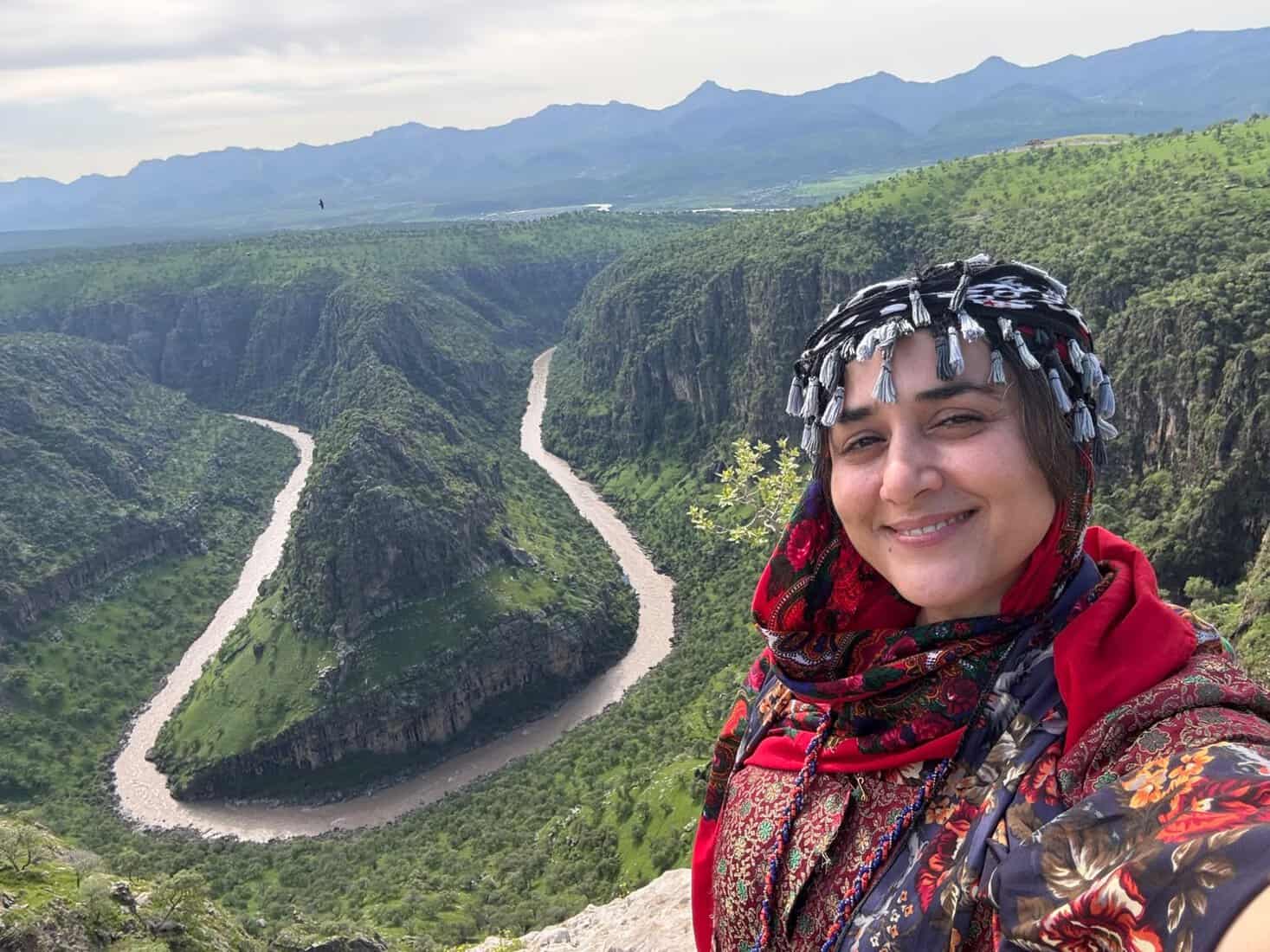
One statement kept coming back to me. It was from Arazu Barawi, 42, whom I met at the Citadel and who started her own Kurdistan Outdoor hiking company. She told me, “Kurdistan is not a destination. It’s a place to experience. I don’t see it as a travel destination. It’s a lifestyle. It’s a gift from history and ancient times which has evolved and reached this current moment.”
Let’s hope it’s a gift that keeps on giving. But stay tuned. The history of Kurdistan may soon have a new chapter.
If you’re thinking of going …
How to get there: A dozen European cities and another dozen Middle East cities fly directly to Erbil. If you can handle flights leaving between 1-4 a.m., one-way tickets from Istanbul start at €81.
Where to stay: Erbil View Hotel, 52W2 + QHQ Barzany Namr, Erbil, 964-750-797-8888, https://www.erbilviewhotel.com, info@erbilviewhotel.com. Lovely, modern four-star hotel inside Erbil’s second ring outside the city center. Helpful English-speaking staff. Rooms start at €66 including breakfast.
Where to eat: Tichy, 6X28+PR, Erbil, 964-750-376-2061, https://www.instagram.com/tichyrestaurantbar, 9 a.m.-2 a.m. Beautiful, modern restaurant with dark, romantic bar. An endless string of kebabs, salads, soups, flatbreads and vegetables.
When to go: Avoid summer. It was dry but it still hit 100 degrees while I was there the first week of September. October is ideal: highs in high 70s and lows in 50s. It can hit freezing in January.
For more information: Kurdistan Regional Government Ministry of Municipalities and Tourism, media@bot.gov.krd.
October 7, 2026 @ 7:55 pm
I so enjoyed the very interesting account of your journey.
October 7, 2026 @ 9:50 pm
Thanks, Lauren. It really is a beautiful region. I highly recommend visiting while it’s still unspoiled. It’s also really cheap. I didn’t have room to write about the prices.