


Italy underrated: 10 things you didn’t know were great but are
Everyone knows Venice, Florence and Rome. But have you ever considered Molise, Italy’s little region on the Adriatic crisscrossed with ancient hiking trails? You like gorgonzola and mozzarella and parmigiana, right? Try caciocavallo, the soft white cheese from Puglia that’s sold like big, round gumballs.
Can anything be underrated in Italy? Isn’t that like saying Beyonce is underrated? Or Meryl Streep? Or money?
Yes, I know many things in Italy are overrated. I wrote about them in March. (So, did you put your arm in the Bocca della Verita’? It didn’t bite it off, did it?)
But Italy has so much to offer, from food to scenery to art, it’s easy for many wonderful aspects of the country to get overlooked. In my effort to please my therapist and be nicer and more positive, I am listing my 10 most underrated things in Italy.
Feel free to add your own in the comments box below. And if you disagree? Well, go %£”$*#&!
Appian Way
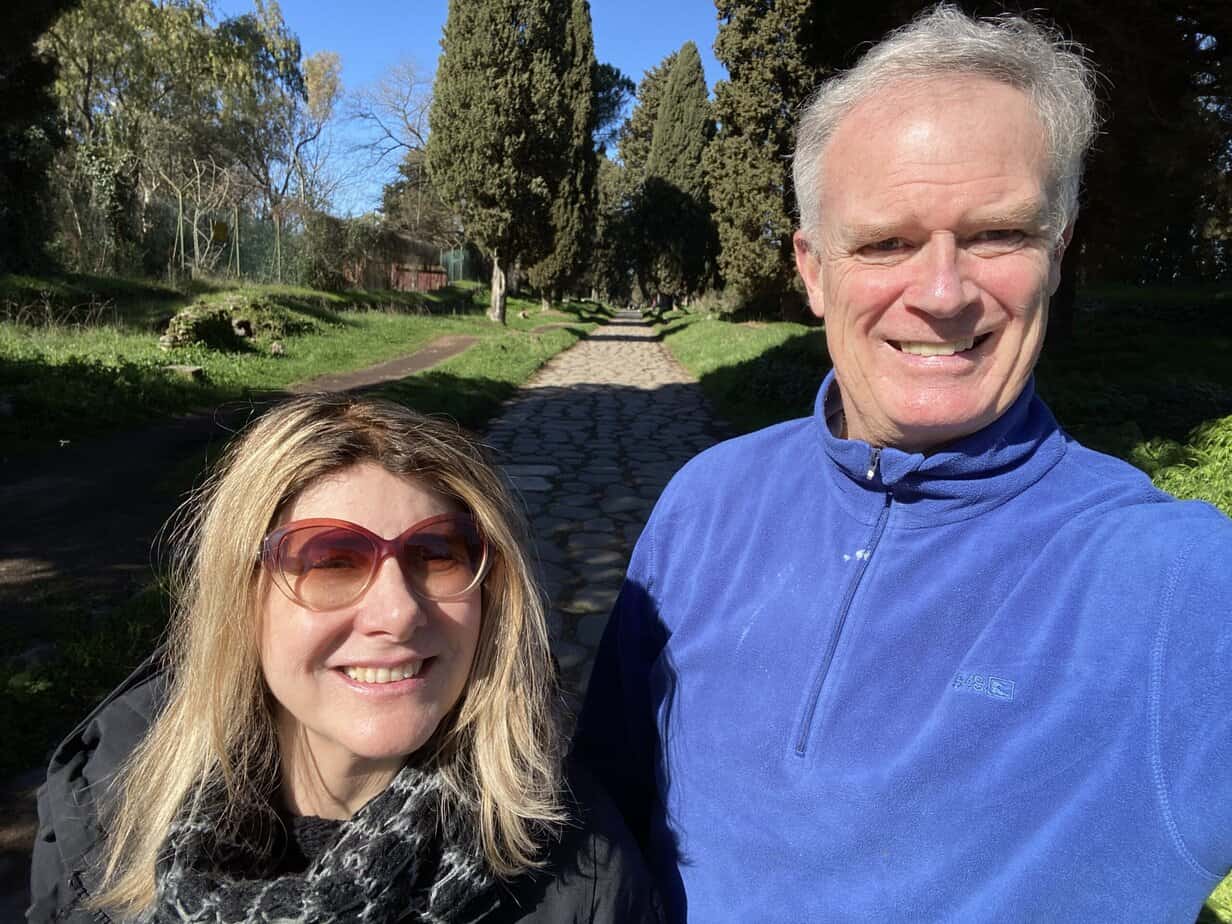
Readers and friends always ask me for things to do in Rome off the beaten path. I always suggest Via Appia Antica, better known as the Appian Way. It’s the the original road built in 312 B.C. which connected Ancient Rome and the Adriatic Sea from where they left to rape, pillage and plunder lands beyond.
You walk along some of the same 2,300-year-old stones past huge private villas and remains of ancient villas past. You’ll see the 13th century Chiesa di San Nicholas still standing without its roof. You’ll also see a field where they held chariot races.
The path is lined with tall, majestic Mediterranean pine trees and it’s rarely crowded. It’s also the road where 5,000 of Spartacus’ rebellious slaves were crucified in 75 B.C., so it has the romantic element going for it.
Along the road, have lunch outside at Garden Risto.
Fish
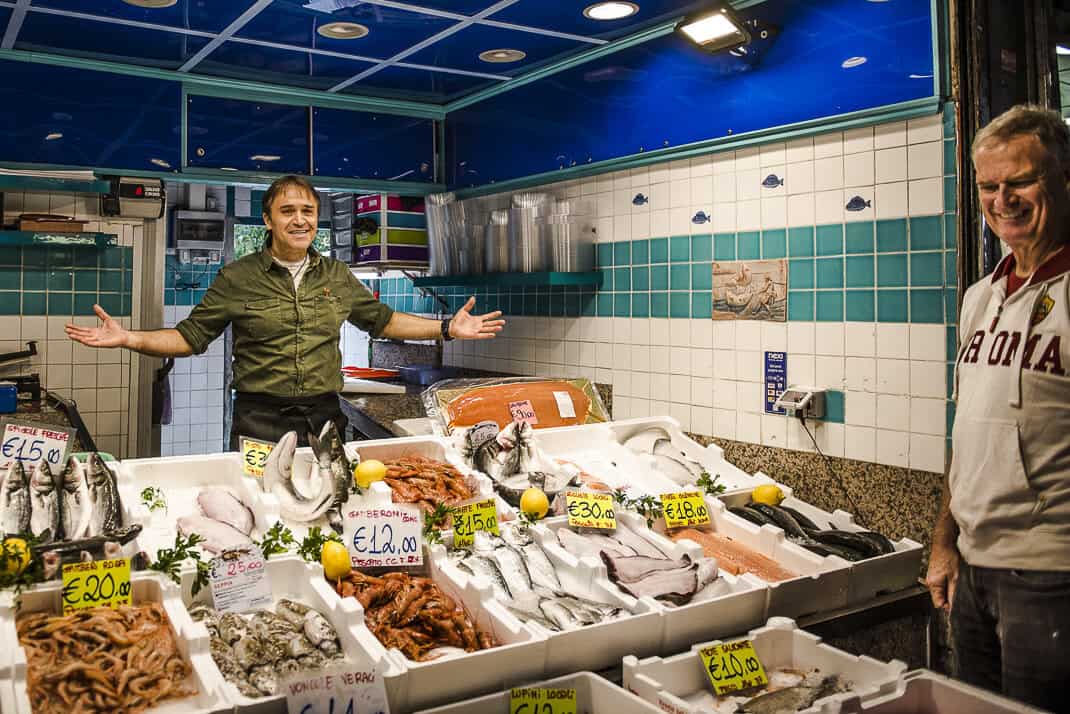
Everyone comes to Italy for the pasta and pizza. But they forget Italy has 4,700 miles (7,600 kilometers) of coastline, the 14th most in the world. You can get fresh fish caught daily from Sicily to Venice and everywhere in between.
On many menus you’ll find spigola (sea bass), orata (bream), spada (swordfish), tonno (tuna), polpo (octopus), calamari (squid). The list is endless. So is the way they’re prepared. Spada is often made with olive oil and herbs. Polpo is grilled and served in little rings. Calamari, as in the U.S., is usually fried but often served in salads.
Italians eat 700,000 metric tons of seafood a year. Some of it’s imported but most is caught off its shores.
It’s expensive in many restaurants. But go to small seaside towns, such as Fiumicino where Rome’s airport is located, and prices are much cheaper. And seafood is very cheap in grocery stores and open-air public markets. I can buy two salmon steaks at my local market for about €12.
Italian teetotalers
The crime rate in Italy is very low. The streets are safe. You know why? Besides pretty strict gun laws, Italians don’t drink much. How much violence around the world starts with drunks?
Italy’s average beer consumption per capita is only 31 liters per person. That’s 45th in the world. The United States averages 72.7 liters (20th).
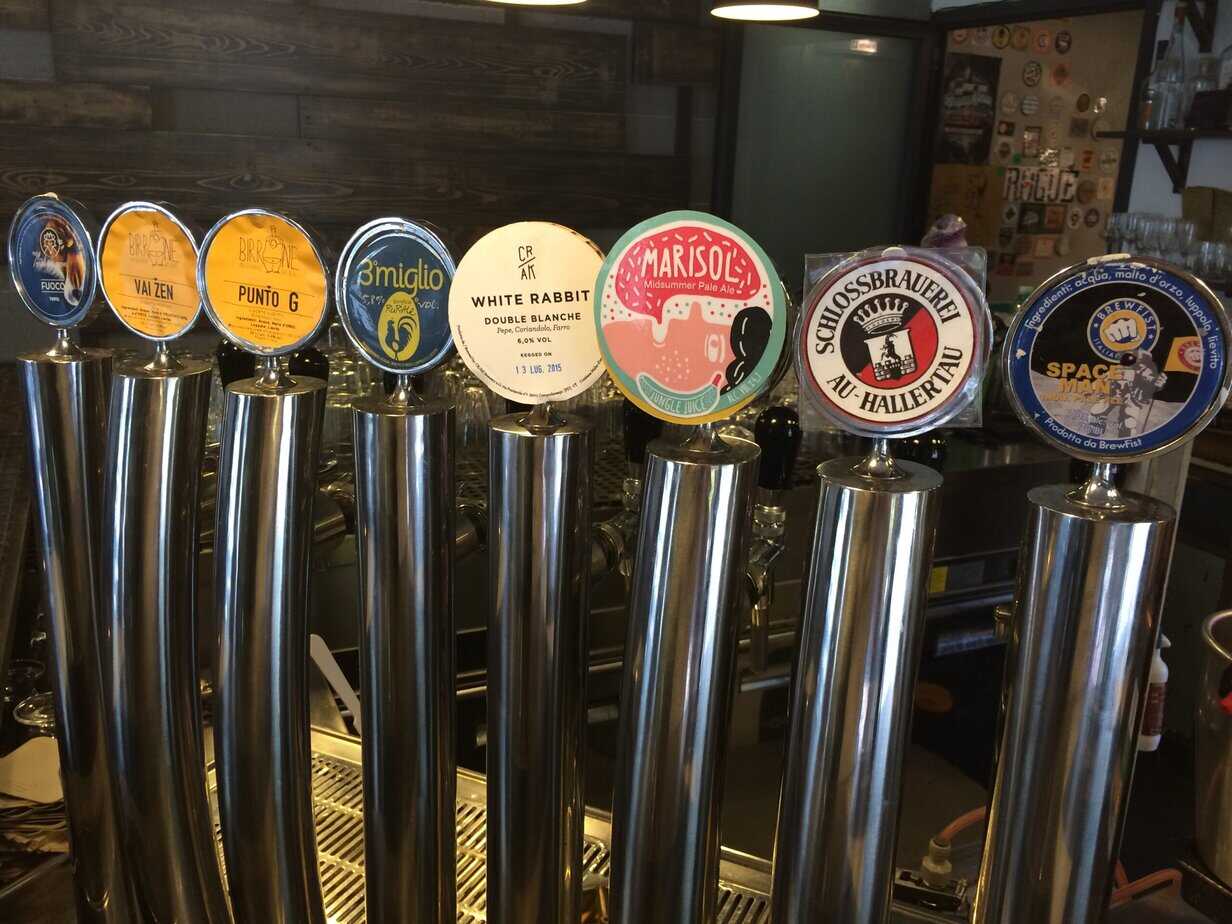
Why? It’s not just a preference to wine. Italy’s craft beer scene has exploded since I retired here in 2014. It has nearly 1,000 craft breweries. That’s up from 70 in 2017.
However, the biggest social faux pas you can commit in Italy, particularly in the South, is public drunkenness.
I have Italian male friends who’ve never been drunk – at least not in Italy. And they’re guys’ guys. They like their wine. They like their soccer. They like their women. And they’ve never been drunk. Go to a dinner party in the U.S. and three couples will bring six bottles of wine.
In Rome they bring two.
As a lover of the drink, I love knowing when I go out in Rome I won’t have to deal with flying Peroni bottles or fists.
Molise
Never heard of it? Heard of Robert De Niro? It’s his ancestral home. His great grandparents came from the Molise village of Ferrazzano before 1887 when they emigrated to New York where De Niro was born.
Ferrazzano, up on a hill with a beautiful view of the countryside, is just one of the many charming villages in Italy’s least-visited region. In pre-Covid 2018, Molise had only 482,051 overnight visitors. Basilicata was the second least visited with 2.6 million.
Molise is small but charming. It’s only 1,714 square miles (4,438 square kilometers), about the size of Rhode Island. It has 22 miles of coastline and hiking trails dating back to pre-Roman times. Those trails, called tratturi, cover 1,860 miles (3,100 kilometers) over six regions in Central and Southern Italy.
The ancient Sammites, who date nack to 600 B.C., used the tratturi to transport livestock. Today, you can walk the trails and pass shepherds whose lifestyle doesn’t seem to have changed in a millennium.
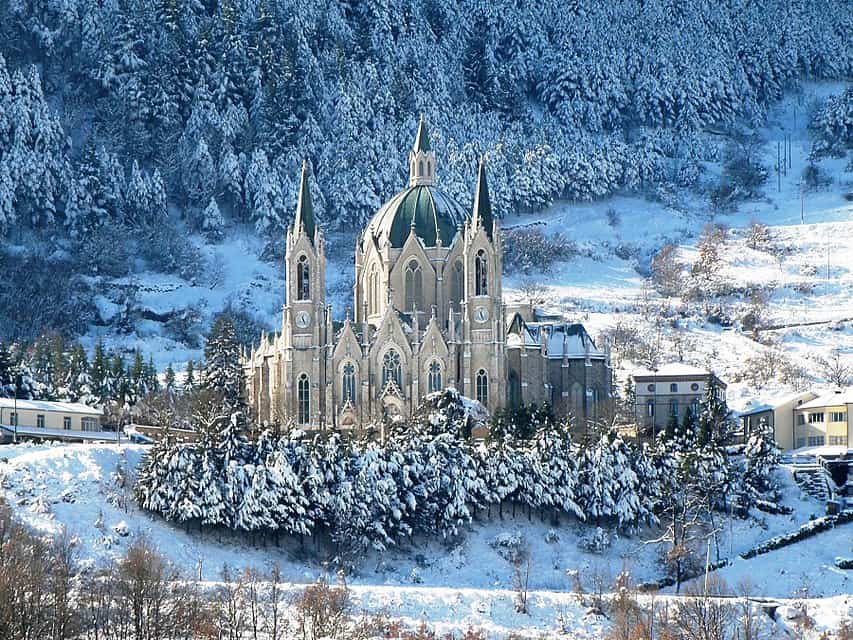
It’s a 3 ½-hour train ride from Rome to the quaint capital of Campobasso (pop. 50,000). But driving past the village of Castelpetroso you’ll see the blue-domed Basilica Minore dell’Addolorata looking like a set for Lord of the Rings.

August
I surprised myself with this one. I often warn people: Do NOT visit Italy in July. It’s too hot and too crowded. But August isn’t bad. Why? Think about it.
There are fewer Italians.
Italian cities are less crowded because in a custom that dates back to Caesar Augustus, Rome’s first emperor, all the Italians take vacation in August. They head to the sea. They go abroad.
The streets are less crowded. Reservations are easier. You can even – gasp! – find a seat on a bus. It’s just as hot as July but you won’t be feeling others’ sweat as much.
I’m sticking around Rome this month. I may even take a chilled bottle of white wine to the Spanish Steps and watch the sunset on Aug. 15, the designated date of Ferragosto, the official heart of the Italian holiday.
Caciocavallo
Everyone knows the Mount Rushmore of Italian cheeses: parmigiano, mozzarella, gorgonzola and pecorino. Hidden on the coastline of Puglia is caciocavallo.
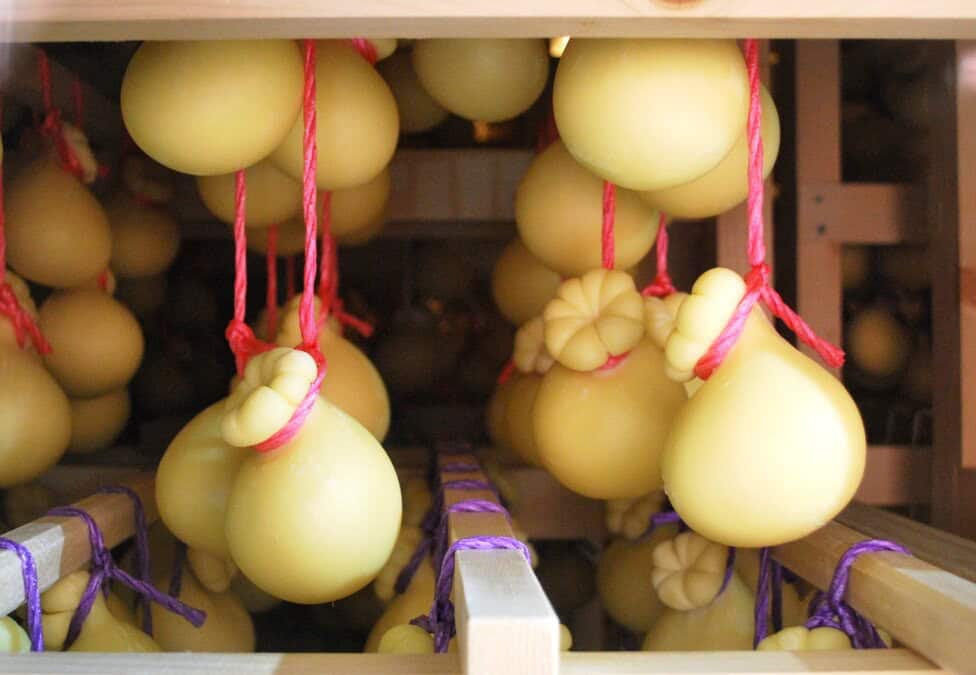
The cheese comes in big white balls shaped like teardrops and they hang from ceilings in alimentari (cheese and meat shops) all over Southern Italy. They are especially popular in Puglia, particularly on the Gargano Peninsula.
I visited the Gargano town of Vieste and took a ball of caciocavallo up to my hotel’s rooftop. I ate it by the slice with some peach jam and cured meats, perfectly paired with a bottle of Puglia’s Negroamaro wine. The flavor is a little like provolone but sweeter.
The name caciocavallo means “horse cheese” as it is paired with two cheese forms, bound together and left hanging over a stick to mature, kind of like straddling a horse.
Atalanta B.C.
No soccer club in Italy punches above its weight more than Atalanta. From the city of Bergamo, it doesn’t have near the resources of nearby Milan or Inter Milan, nor Juventus. It doesn’t have the international footprint of my A.S. Roma. It plays in little 25,000-seat Gewiss Stadium.
But it has qualified for the Champions League, the world’s toughest continental club competition, four of the last six years and made the quarterfinals in 2020. It won the second-tier Europa League title in 2024. It has only finished lower than fifth in Italy’s Serie A once since 2018.
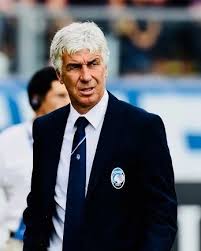
A major reason? For nine years, manager Gian Piero Gasperini made Atalanta one of the powers of Italy and few fans outside the country know it. This entry is a personal favorite of mine. Why?
My Roma hired him away in June.
Fruit
Yes, boring. But true. Whenever people talk about Italian food, whoever talks about fruit? Italy has the perfect climate. It stretches 800 miles from Lampadusa, which is farther south than the north coast of Africa, to the Italian Alps.
Sun nine months a year in the south; rich soil in the north.
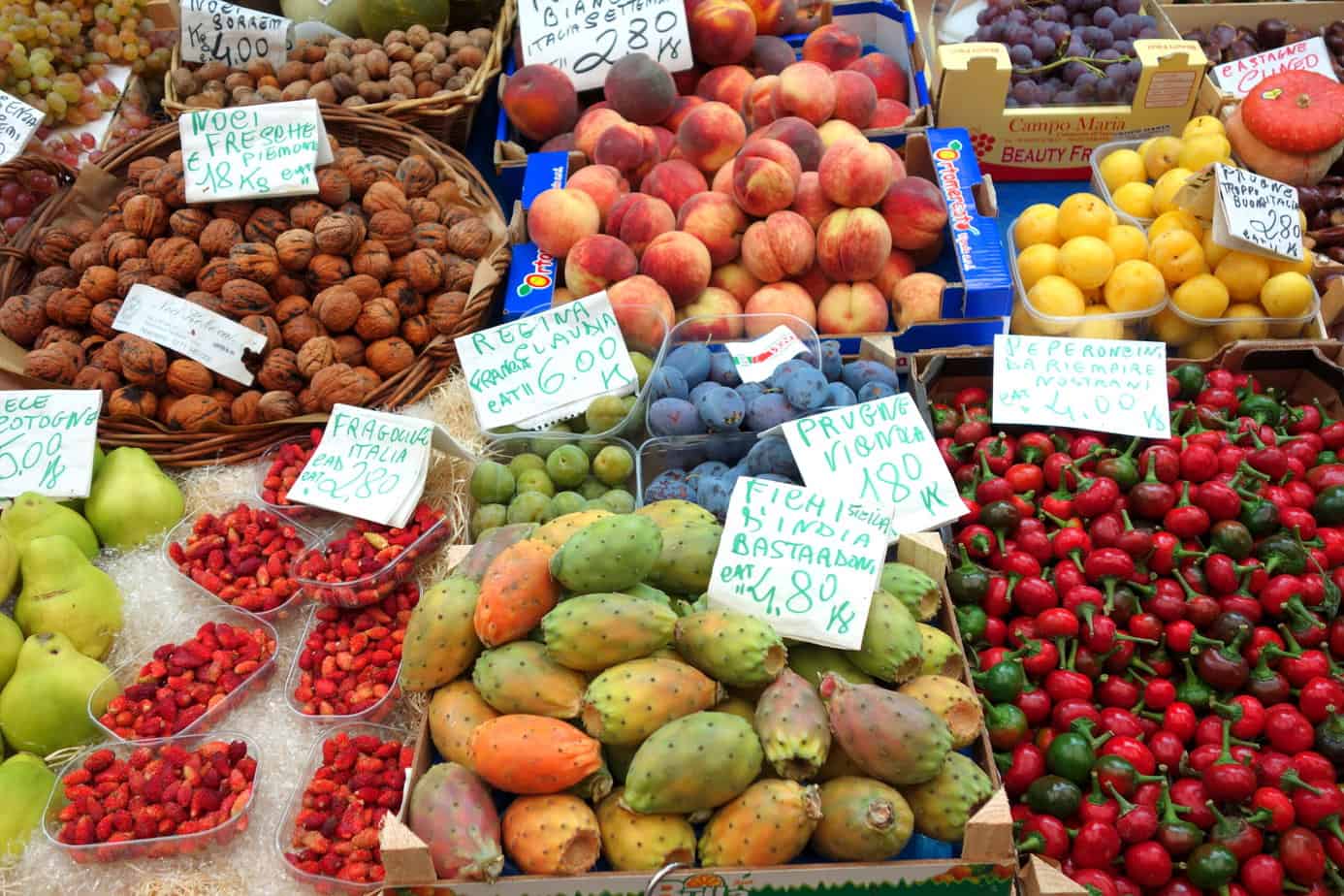
You have great apples up in Alto Adige. The peaches from Emilia-Romagna are as good as those in Georgia. Then there are juicy clementines in Calabria, oranges in Sicily, kiwi fruit in Lazio.
And, of course, grapes. The best in the world aren’t just used for wine.
On these hot summer nights, I go to my local fruit and vegetable stand across the street, gaze at the rainbow colors of fruit from around Italy. I’ll buy a big variety for about €10, chop it up and make fruit salad for three days.
Cheap, healthy, refreshing and so delicious.
Rural Lazio
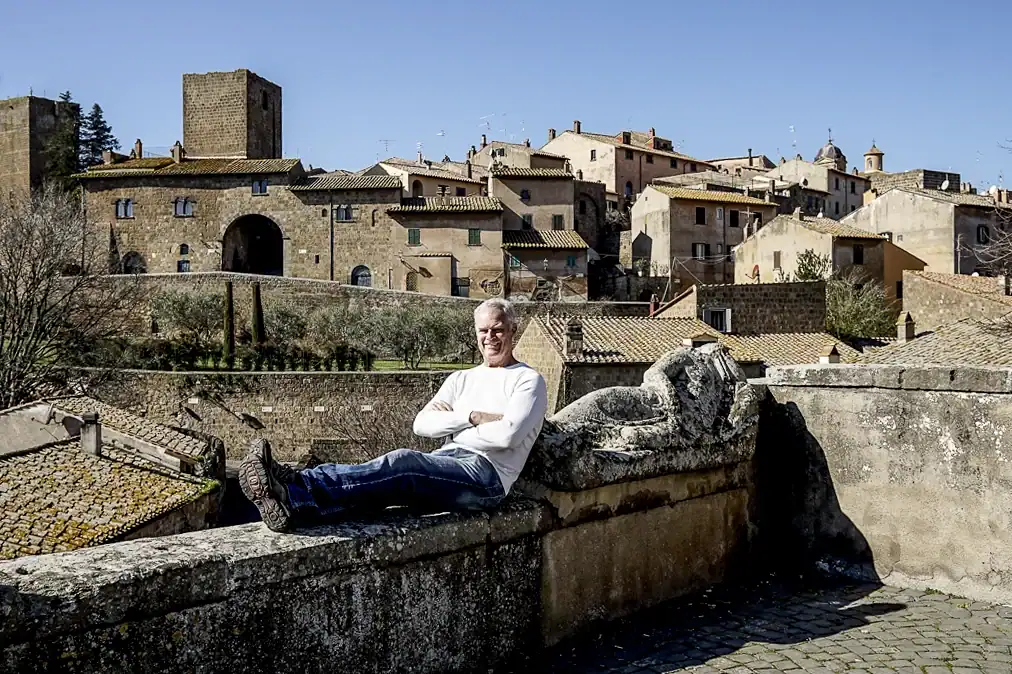
For 2 ½ years, Marina and I have traveled to every corner of Rome’s Lazio region to write twice-monthly blogs about day trips from Rome. Our TraveLazio is gaining an audience and one theme we hear from villagers is they rarely get tourists coming from the capital.
Too bad. Rural Lazio is old Italy. It’s where the trattorias have been run by the same families for generations, that serve homemade pasta with no English menus.
It’s where you can sit in a quiet piazza and drink Lazio’s equally underrated wines with villagers just hanging out. It’s where you explore historic palaces by yourself and see artwork from masters you never knew mentioned from Rome.
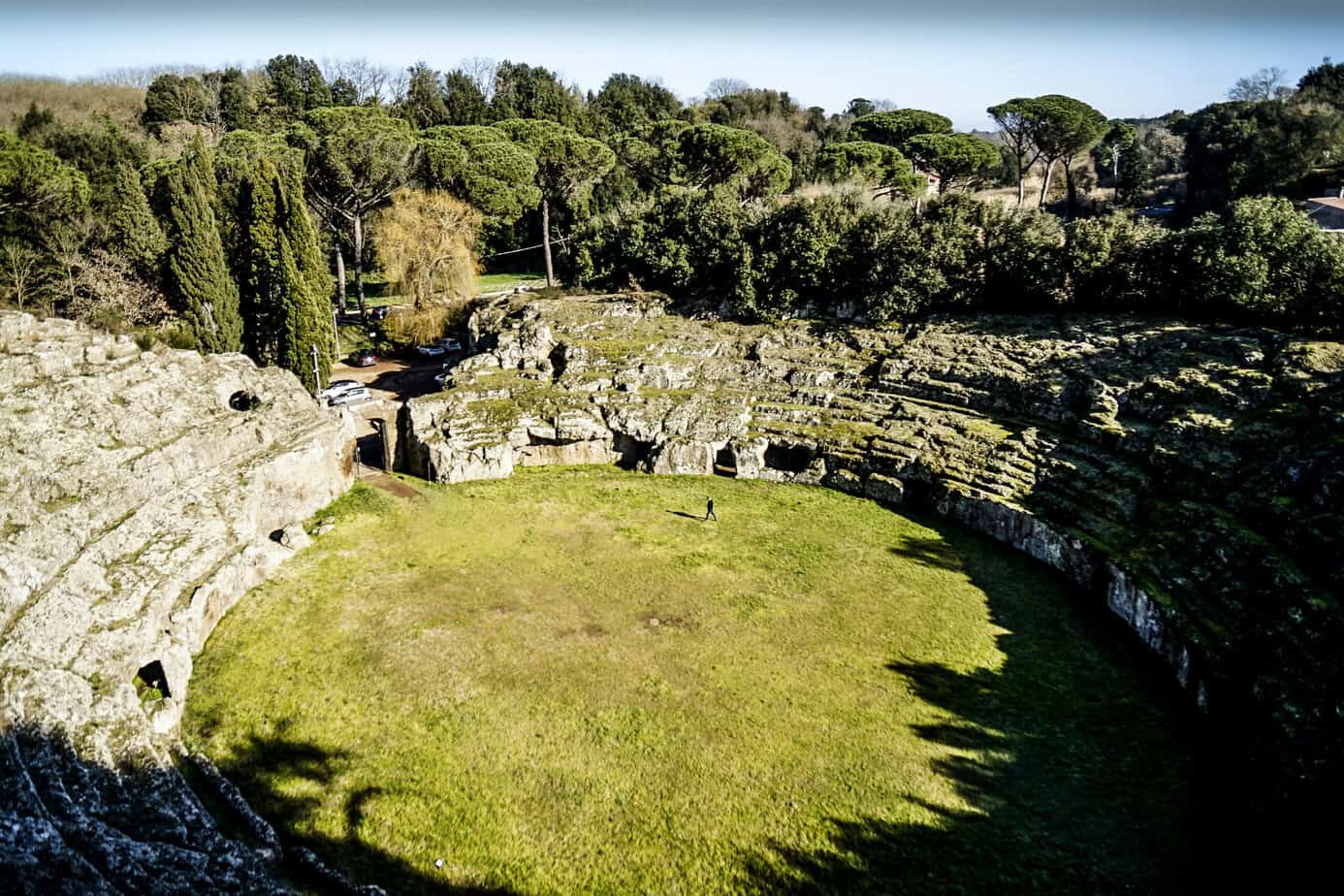
Want to get away from the heat and crowds? Come to Tuscania, an Italian ceramics center with fabulous views of the countryside. Come to Nemi, home to arguably the best strawberries in Europe and spectacular views of Lake Nemi where Nero once had a yacht. Explore an empty colosseum in Sutri, built on a hill between a series of ravines and you can eat in a trattoria in a building where World War II refugees once ate.
Procida
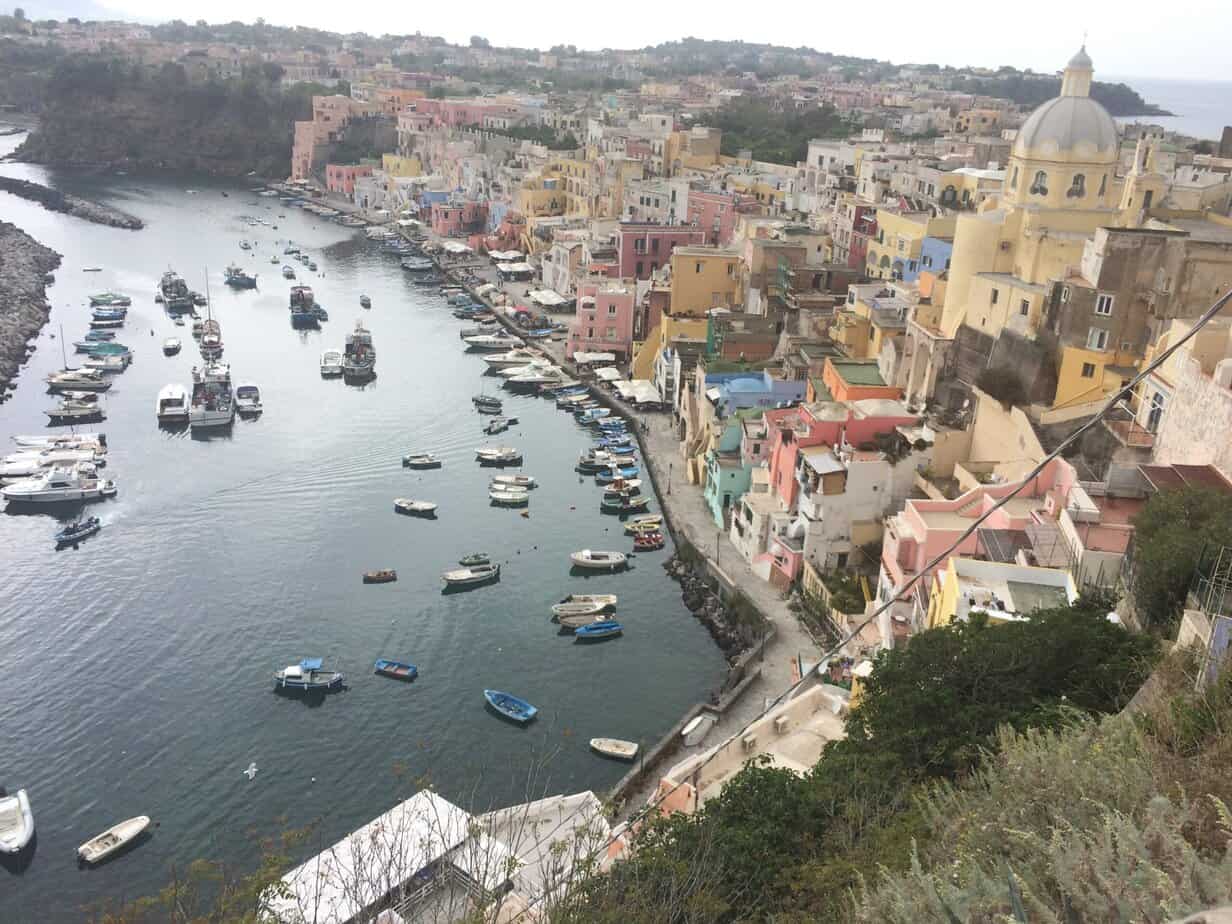
Italy has 450 islands. Procida is my favorite. Yet few outsiders know about it. Its visitors are mostly day trippers from Naples, only a 45-minute boat ride away while the majority leave Naples for Capri or Ischia.
Procida has arguably the pretties harbor in Italy, a gently curved port lined with pastel.colored buildings and old fishermen mending their nets. Il Postino, the 1995 Oscar-winning film about a mailman falling in love with a village girl, was filmed in Procida as it still looks like Italy in 1950 when the film’s story took place.
Good island transport takes you to a nice stretch of beach near yacht clubs where you can sip cold beer and wine while watching boats bob in the Bay of Naples.
Procida also has my favorite restaurant in Italy: La Lampada, on a cliff overlooking the harbor where the lights reflect off the gumball-colored buildings and the restaurant serves the best seafood ravioli of my life.
Buon viaggio.
August 8, 2025 @ 8:26 am
Love all of this John, great work as always. But the three that hit home the most are: Italian teetotaling which is so different from our culture in the US; Atalanta, because like you I am an AS Roma fan and can’t wait to see what Gasperini does for us; and most of all Rural Lazio. You are preaching to the choir here. My wife and I recently purchased a home in Pico, in the province of Frosinone (and also ancient Ciociaria, which is it’s own story). There are so many towns that are hidden gems in Lazio.
Grazie!
August 8, 2025 @ 8:52 pm
Pico, huh? Tell me about it. How’d you pick there? Thanks for the note!